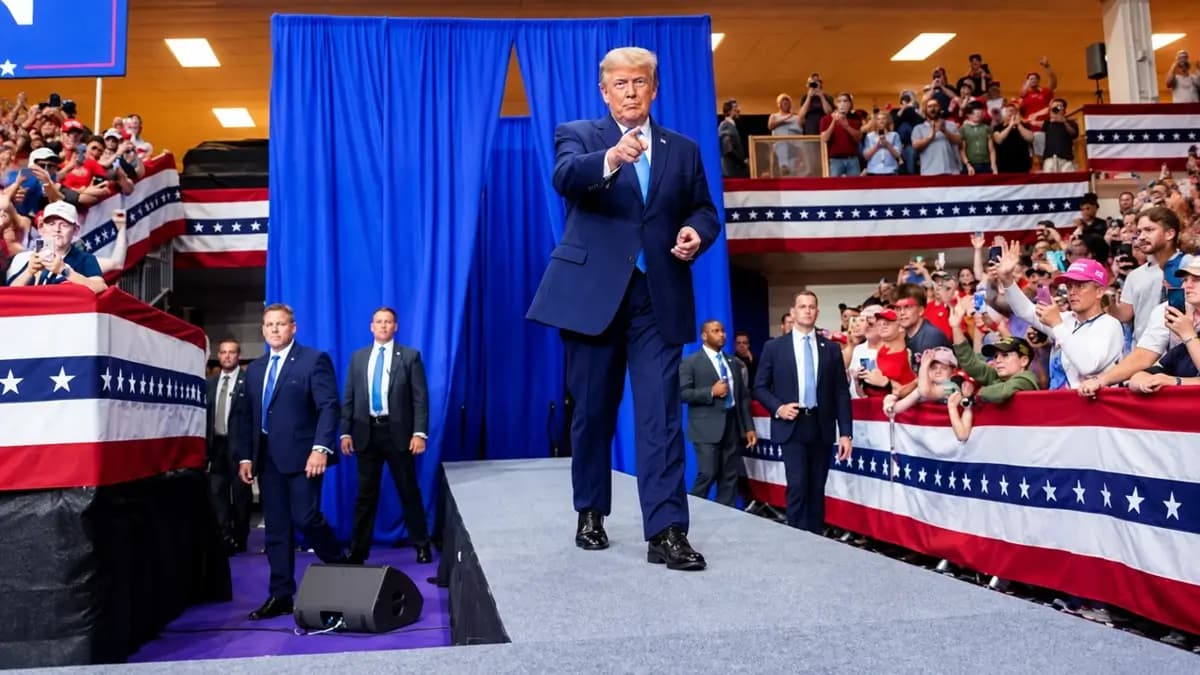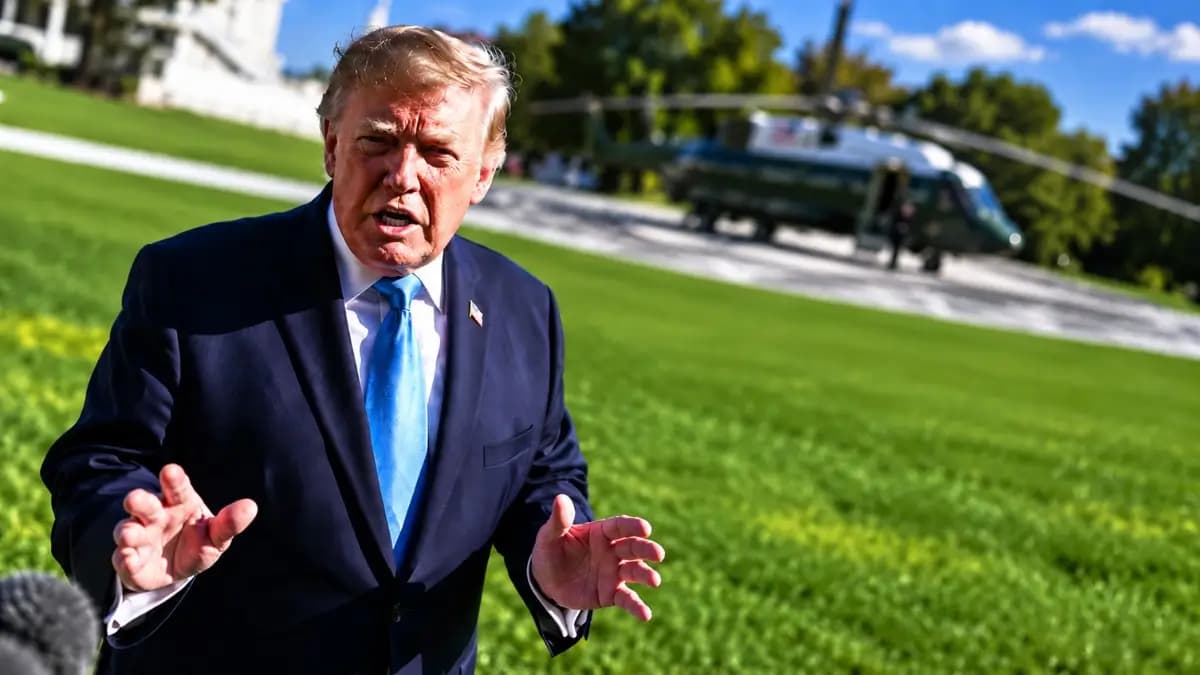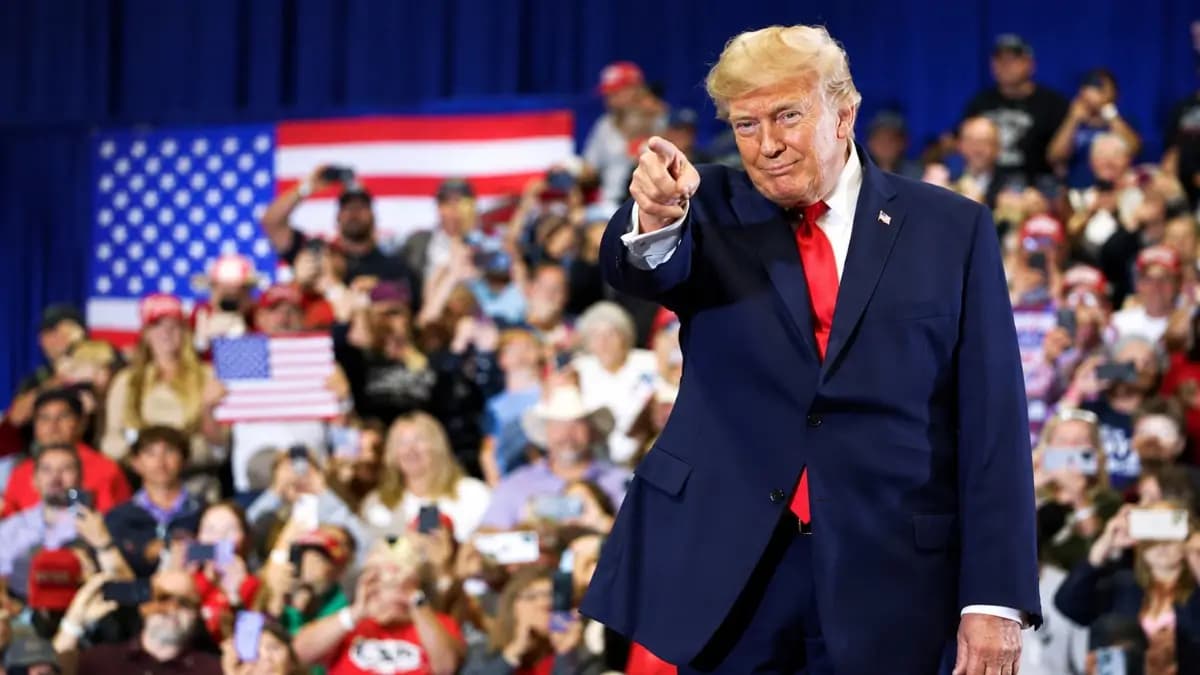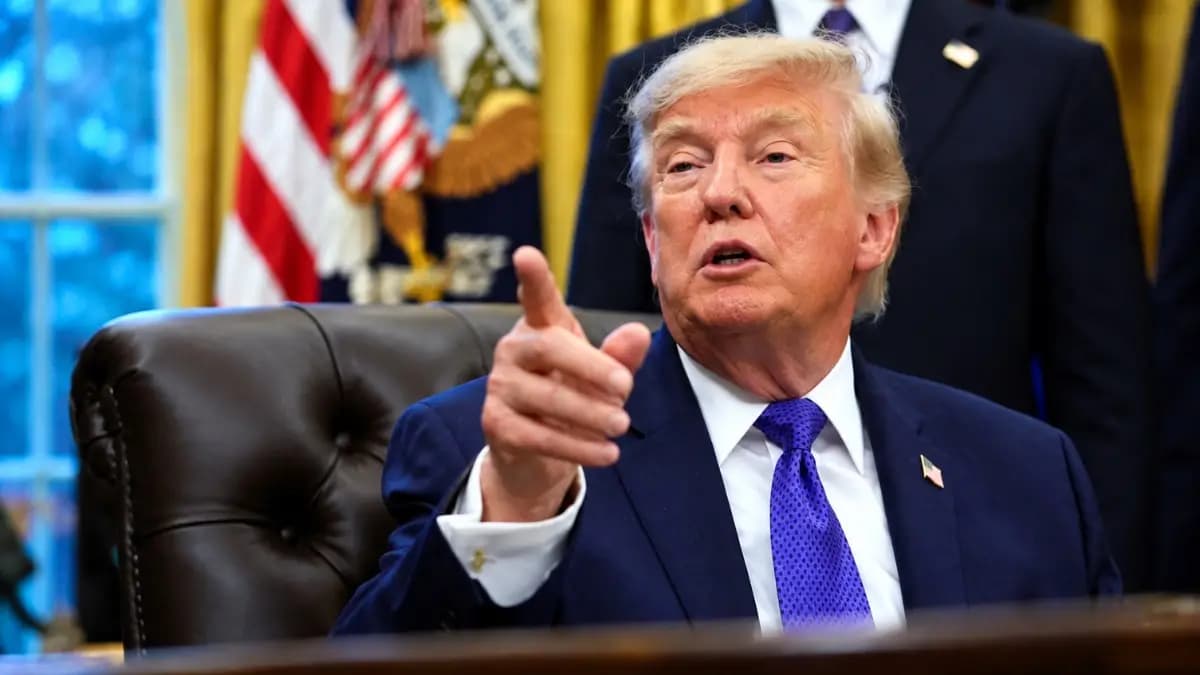
President Donald Trump has said MAGA Inc. will pay for similar future advertisements after taxpayer-funded spots promoting his policies and record drew bipartisan criticism. The advertisements had cost at least $1.4 million in federal funds by the end of September, according to AdImpact. Trump defended the campaign while the White House confirmed the proposed shift to private political funding. The controversy has also prompted questions about federal spending restrictions, political activity rules and whether taxpayers will be reimbursed for advertisements already broadcast.
Trump Shifts Future Costs of Taxpayer-Funded Ads to MAGA Inc. Amid Backlash
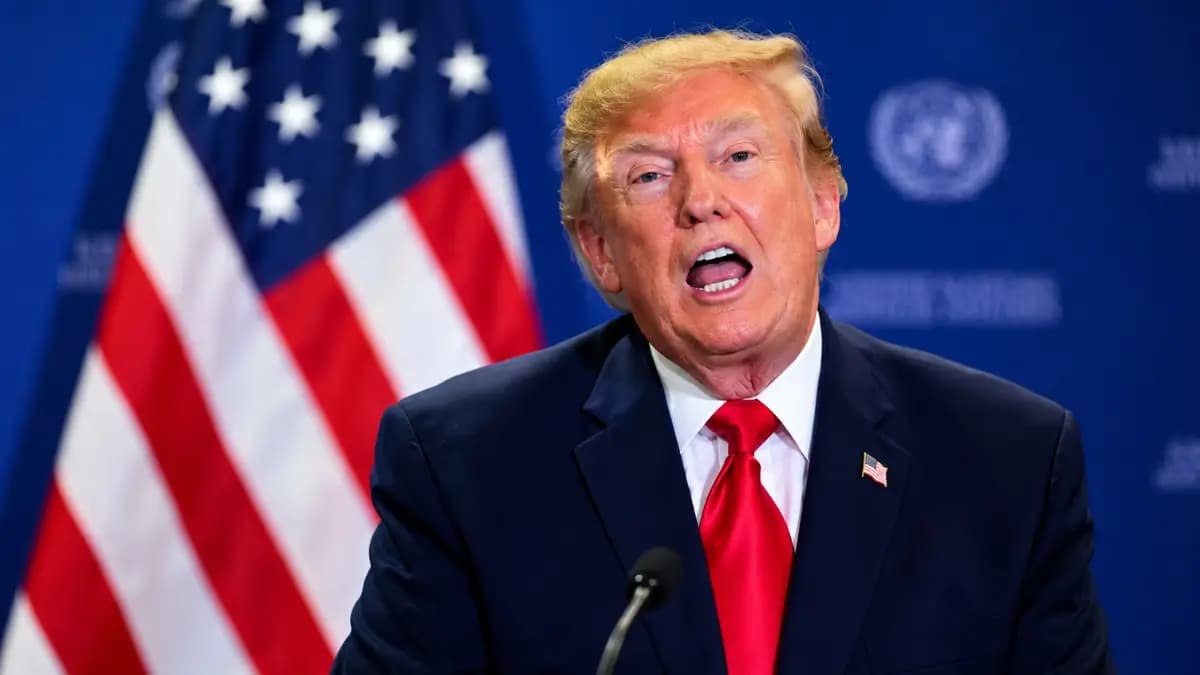
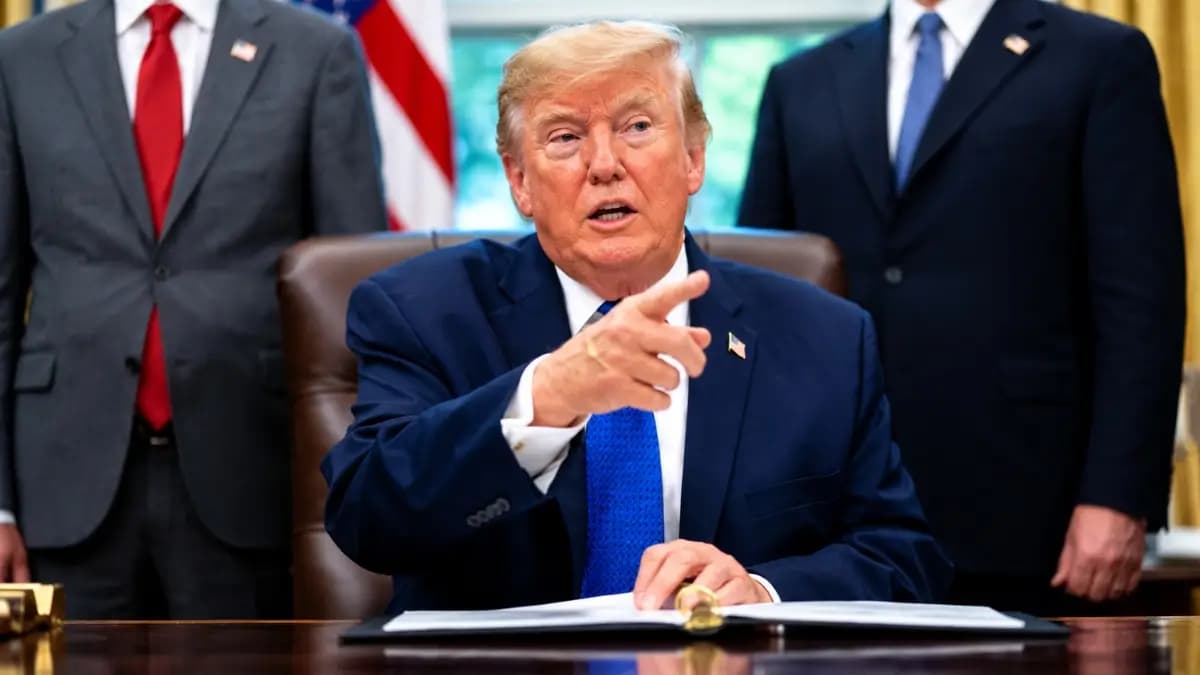
Donald Trump says his super PAC MAGA Inc. will pay for future advertisements after taxpayer-funded spots touting his policies and record drew bipartisan criticism.
Donald Trump taxpayer-funded ads have become the focus of a political and legal controversy in the United States after the president said future campaigns would instead be paid by his super PAC.
Trump defended the ads as “positive promotion for our Great USA” in a social media post Monday, October 5, 2026, and said MAGA Inc. would pay for similar spots in the future.
The ads have cost at least $1.4 million in federal dollars as of the end of September, according to AdImpact, which monitors media spending and political advertising across the United States.
Trump did not say whether taxpayers would be reimbursed for ads already aired, or how his political organisation would pay for and identify future advertising related to the government.
Trump shifts advertising costs to MAGA Inc.
Trump said he had chosen to pay for the “Patriotic Ads” himself using money raised for MAGA Inc., his political fundraising organisation that backs his political agenda and Republican candidates.
The report said the organisation had raised more than $400 million by the end of July, providing Trump with important political resources ahead of the midterm elections.
The president said it was common practice to use taxpayer money and blamed criticism of the advertising campaign on what he called the “Radical Left.”
Later Monday evening, the White House confirmed that MAGA Inc. would be paying for similar ads going forward, though officials did not say how the arrangement would work.
There are also questions of whether Trump or MAGA Inc. would be able to prove subsequent ads were paid for by private political money, not federal appropriations.
Trump taxpayer-funded ads face legal scrutiny
The controversy intensified after leaders from both political parties condemned the use of taxpayer dollars for ads that seemed to promote Trump’s policies and accomplishments.
Legal experts have raised questions about whether the advertising campaign could violate federal restrictions on government spending and political activity.
The cited provisions include a federal law that restricts the use of congressionally appropriated funds for “publicity or propaganda” and rules that limit partisan political activities by government employees.
The ads began airing in late September, the first featuring Trump talking about the defeat of communism and the text touting major tax cuts, American manufacturing, and law enforcement.
A second ad ran later that week with scenic shots of Mount Rushmore and snippets of Trump’s Fourth of July weekend address commemorating the 250th anniversary of the United States.
A third ad resembled a 2024 Republican re-election campaign commercial, featuring Trump walking through a hallway as he warned of a “final battle” between “globalists” and “warmongers.”
Each ad concluded with the line “Paid for by the U.S. Government.”
Also Read: Trump Blames Refinery Shutdowns and Ukraine for US Fuel Price Rise
Spending and accountability questions remain.
AdImpact estimated the ads had cost at least $1.4 million by the end of September, although the final spend could be substantially higher.
The company said the total could depend on the extent to which television networks treated the ads as political advertising, which could affect how their spending was tracked.
For readers of Sprouts News, the question has now broadened from the ads themselves to issues of taxpayer money, campaign finance and the line between government messaging and political activity.
Trump’s move to divert future spending to MAGA Inc. solves the stated source for future ads, but leaves open questions about past federal spending.
There will likely be more scrutiny of whether the ads complied with federal spending rules and whether the administration will release documentation explaining how the ads were funded and authorised.
So the controversy could prove a test of the limits on presidential communications, government-funded publicity, and political organisations during an election cycle.