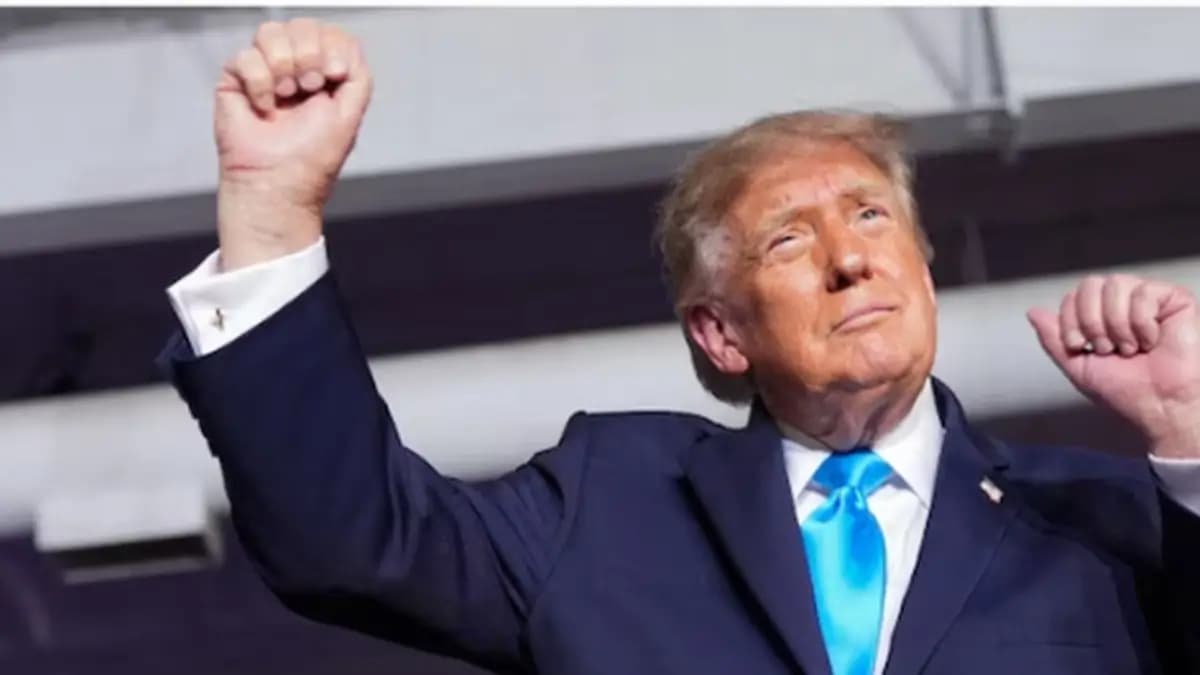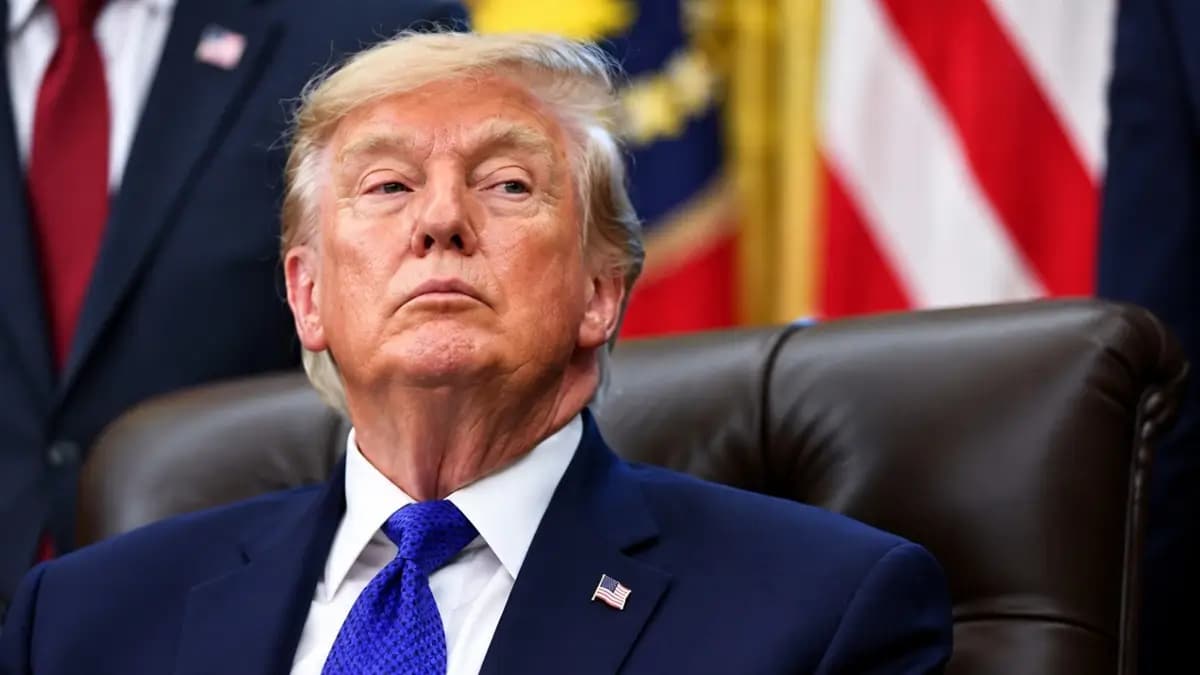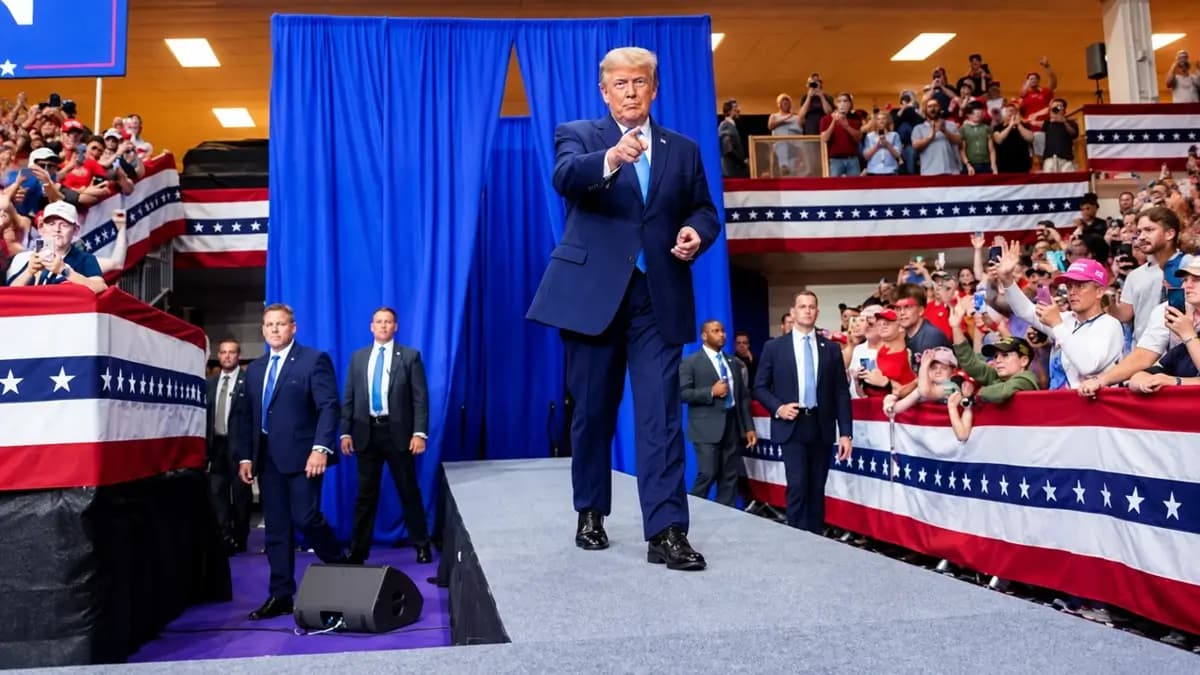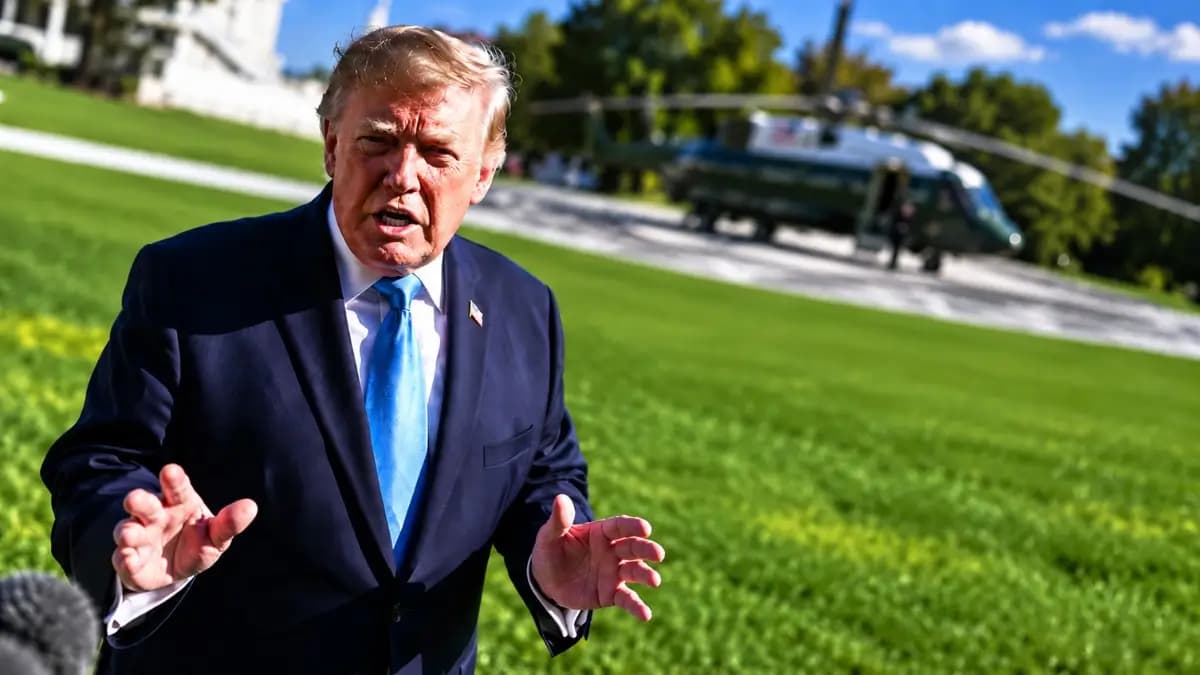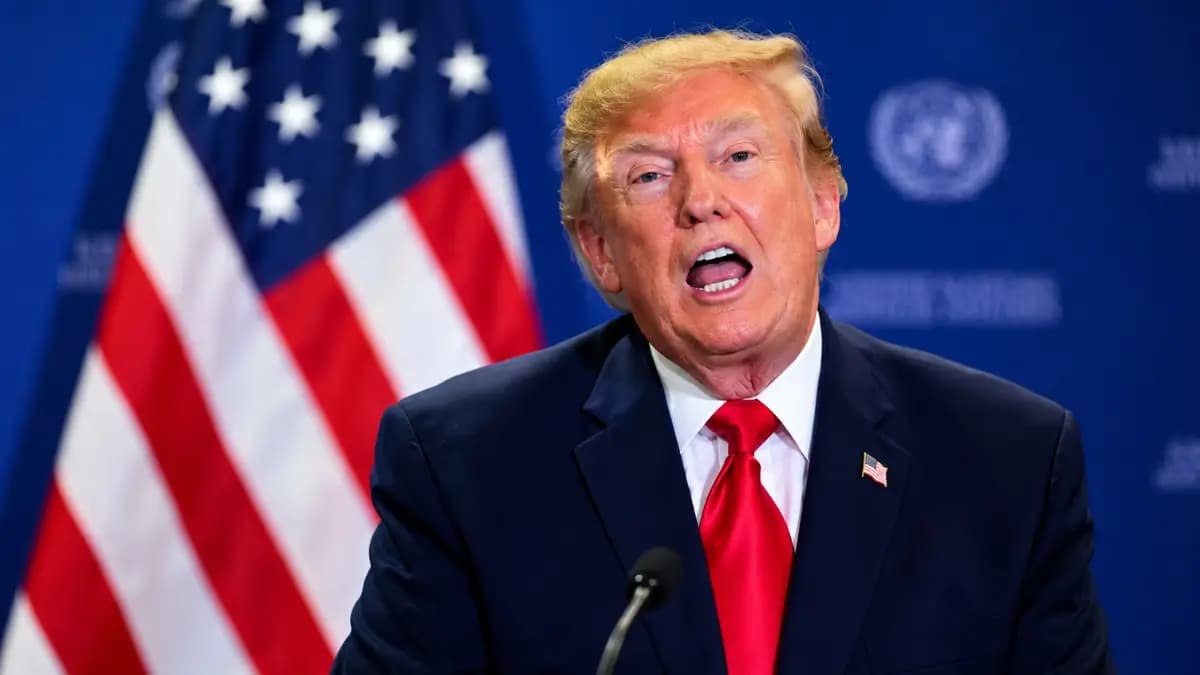
The Russia-Ukraine Energy Ceasefire announced by US President Donald Trump on 11 October 2026 has raised questions about its terms and implementation. Trump said both countries had agreed to stop attacks on energy infrastructure, but Ukrainian President Volodymyr Zelensky said the announcement was new to him and that Kyiv was awaiting details from Washington. Zelensky expressed Ukraine’s willingness to support the proposal if Russia agreed to halt its attacks. Reports of subsequent strikes on Ukrainian energy facilities cast further doubt on whether a functioning ceasefire arrangement was in place
Russia-Ukraine Energy Ceasefire Raises Questions as Zelensky Says Trump’s Announcement Was ‘News for Me’
US President Donald Trump said he had brokered an immediate energy truce between Russia and Ukraine, but Ukrainian President Volodymyr Zelensky said he had not been told any details. Later reports of Russian attacks raised questions about implementation.
Ukrainian President Volodymyr Zelensky responded cautiously to U.S. President Donald Trump’s announcement of a Russia-Ukraine energy ceasefire on Sunday, October 11, 2026, saying the proposal was new information to him.
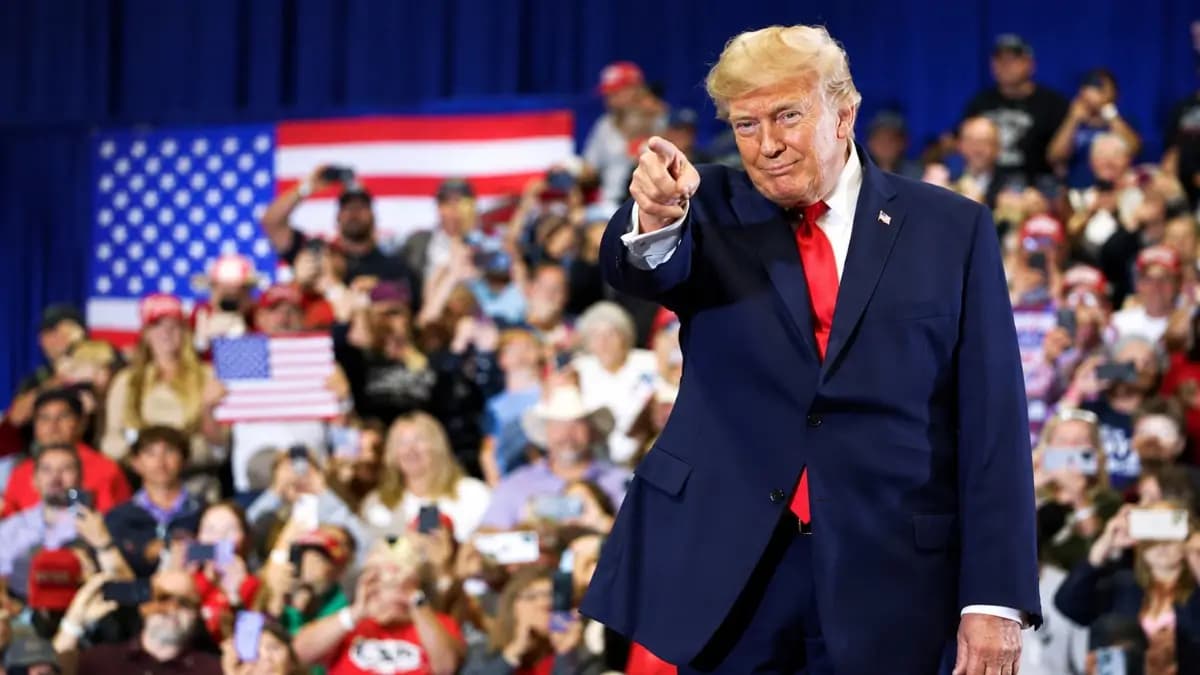
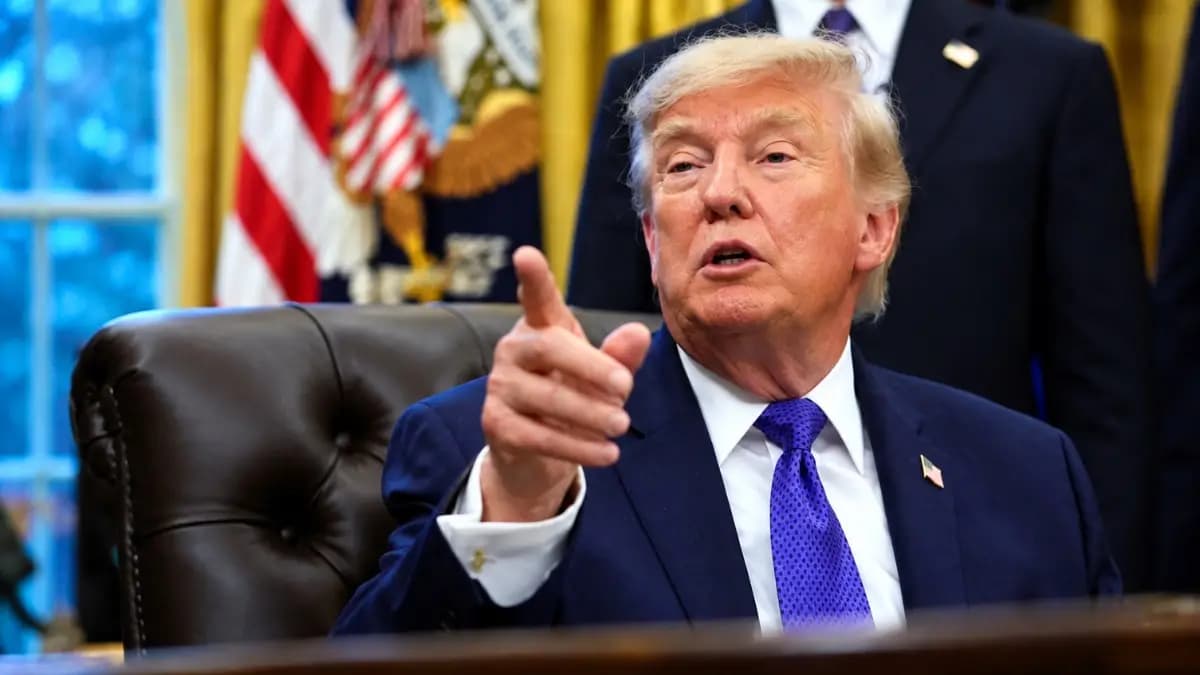
Trump announced on his Truth Social platform that the energy ceasefire between Russia and Ukraine was effective immediately. He did not, however, explain how long it would last, the terms, or how it would be implemented.
Trump wrote, “Don’t break it!” urging both nations to respect the accord. There was no immediate explanation from the Kremlin or the White House about the announcement.
Russia-Ukraine Energy Ceasefire Faces Immediate Questions
The announcement had come as a surprise, Zelensky said in comments to Axios. He said Ukraine would back the deal if Russia would agree to stop attacking energy infrastructure.
“If President Trump worked it out with Putin, tell us when the ceasefire starts. "We are ready, and we will take it," Zelensky told Axios, according to its report.
In another post on X, Zelensky said he had discussed the announcement with Canadian Prime Minister Mark Carney, NATO Secretary General Mark Rutte and Finnish President Alexander Stubb.
Zelensky said Ukraine was in favour of the ceasefire but was waiting for details from Washington. He reiterated that Kyiv supported de-escalation, saving lives and working toward decisions that could bring lasting peace.
But hours later, Zelensky said Russian forces had attacked a power plant in Kyiv with a Shahed drone, and there had been strikes on energy infrastructure in the Kharkiv region.
The strikes followed Trump's announcement, and immediately posed questions about whether Moscow had accepted the proposed arrangement and whether any operational ceasefire mechanism was in place, he said.
Zelensky Challenges Trump Over Elections and Peace Talks
The announcement followed a fresh row between Mr Trump and Mr Zelensky over Ukraine’s leadership and the chances of ending the war, which began with Russia’s full-scale invasion in February 2022.
Trump called for Ukraine to get a new president on Saturday, saying Zelensky had not been able to negotiate a peace deal with Moscow. Ukraine has not had a presidential election since 2019.
“I recommend they get a new leader who can make a deal. “For whatever reason Zelensky never does,” the source reported Trump as saying to reporters.
In an interview with ABC News, Zelensky said the decision of Ukraine’s leadership was up to its citizens. “It is a very serious operational and security challenge to hold elections during wartime,” he said.
Zelensky appealed to Trump in the interview to ask Russian President Vladimir Putin to agree to a 60-day ceasefire, saying the pause would allow Ukraine to organise elections.
It would be vital to protect the electoral infrastructure and to ensure that citizens can vote safely, he said. Zelensky also said Ukraine was counting on the United States and European allies to help halt Russia’s offensive.
Also Read: ED Raids in Kolkata Focus on Suspected Fund Diversion and Property Deals
Energy Infrastructure and Sanctions Complicate Negotiations
Earlier on Sunday, Zelensky said Ukraine would stop attacks on Russian oil refineries if Moscow stops attacks on Ukrainian energy infrastructure. De-escalation, he said, required reciprocal commitments and credible guarantees.
The row comes amid reports of a US-Russia deal to release diesel on the world market in exchange for sanctions relief for Moscow. Zelensky slammed the deal, saying the extra Russian cash could finance more attacks.
Meanwhile, Trump blamed Ukraine for rising fuel prices, the report said. The U.S. had also eased restrictions on Russian diesel sales through April 2027, which could have implications for broader energy negotiations.
The big question for Sprouts News is whether the announced ceasefire is an agreed framework or an unconfirmed diplomatic proposal.
Without published terms, confirmation from Moscow and clear monitoring arrangements, the announcement cannot be taken at face value to mean that attacks have stopped. Further statements from Washington, Kyiv and the Kremlin will be key to whether the initiative can reduce strikes on energy facilities and contribute to wider peace negotiations.