US President Donald Trump has warned that he could become “Mr. Veto” if Democrats take control of Congress in the November 3, 2026, midterm elections. Speaking on the Pod Force One podcast, Trump said he would reject legislation he opposes but could eventually negotiate deals with Democratic lawmakers. The elections will determine control of the House and Senate, potentially reshaping his administration's legislative agenda and congressional oversight. Republicans currently control both chambers, making the outcome significant for the remainder of Trump's term.
Donald Trump Midterm Elections Strategy Centres on Veto Threat if Democrats Win Congress
US President Donald Trump says he will veto Democratic legislation if Republicans lose control of Congress but has left the door open to negotiate with opposition lawmakers.
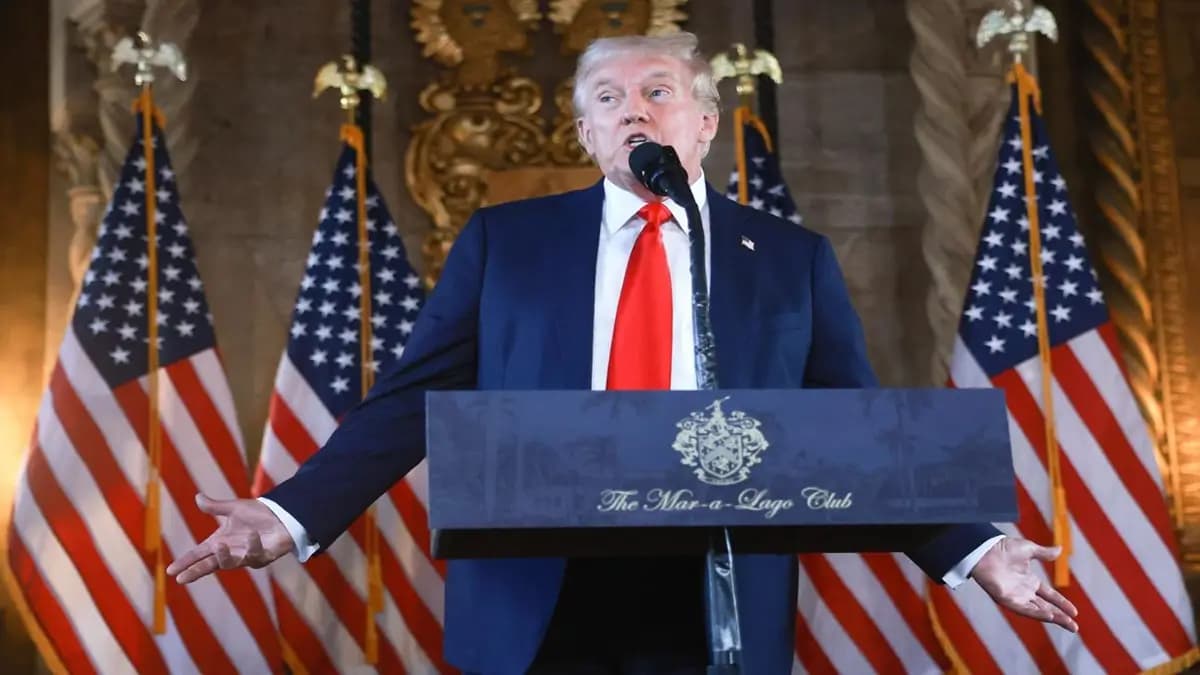
Donald Trump’s strategy for the midterm elections was front and centre Monday after the president warned he would use his veto power against legislation passed by a Democratic-controlled Congress.
On the New York Post’s Pod Force One podcast, Trump told the newspaper’s columnist Miranda Devine what he would do if Democrats won both houses.
“I guess I’ll be Mr Veto,” Trump told Devine, adding he was “not going to let them ruin it.
The president suggested that Democrats could send legislation to the White House again and again, and he would reject it each time, until negotiations brought the parties together.
“They’re going to be sending stuff up, and you’re going to veto it,” Trump said, describing a possible standoff that would last a month or two before lawmakers reached deals.
Such negotiations would not be unprecedented, he added, and deals would probably follow. Trump also said he hoped Republicans would remain in control and avoid that situation.
US Midterm Elections Put Control of Congress in Focus
The November 3 midterm elections will decide whether Republicans keep control of the House and Senate for the final two years of Trump's presidency.
A shift in control of Congress could impact legislation, government spending, and the administration’s domestic agenda, while also giving opposition lawmakers more power to oversee the executive branch.
Democrats are widely expected to take back the House, where Republicans have a narrow 218-214 edge, with one independent member and two vacancies.
The coverage cited Cook Political Report ratings that show 222 House seats in Democratic-leaning categories versus 195 in Republican-leaning categories, with 18 toss-ups.
The Senate race is more uncertain. Republicans have 53 seats, Democrats 45, and two independents caucus with them, giving Republicans an effective 53-47 advantage.
Several competitive races are especially significant because Democrats need a net gain of four seats to take control of the upper chamber.
The New York Post said, “There are nine competitive races in Republican-held states versus three in Democratic-held seats.
The Cook Political Report rated races in Alaska, Iowa, Kansas, Ohio and Texas as toss-ups, highlighting challenges for both parties.
The historical trend is a problem for the president’s party, too. Since 1938, the party in the White House has lost House seats in every election except two midterms.
Democratic Control Could Bring Investigations and Legislative Standoffs
Trump’s first presidency is a precedent for divided government: Democrats controlled the House during Trump’s last two years in office while Republicans controlled the Senate.
That arrangement made it more difficult to move legislation, and a similar outcome could create new tensions between the White House and congressional Democrats.
Opposition legislators have also said they may investigate Trump, his administration and political allies if Democrats win back control of either chamber.
Trump has kept up his campaign for Republican candidates, saying he believes he can hold GOP majorities in Congress and disputing forecasts of big Democratic gains.
Also Read: Xiaomi 18 Pro With 200MP Cameras Set for Global Debut
Trump Raises Possibility of Pre-emptive Pardons for Allies
The interview also raised the possibility of Trump offering pre-emptive pardons to current or former members of his administration who fear legal action by Democratic oversight in Congress.
When asked if he would consider such protection, Trump told Devine: “I would if I needed to. “Sure.” He added he had previously handed out pardons related to January 6.
He was referring to his decision of January 20, 2025, to pardon defendants charged in connection with the January 6, 2021 attack on the US Capitol.
Trump also slammed pre-emptive pardons by former president Joe Biden, which included Dr Anthony Fauci, retired General Mark Milley, members and staff of the January 6 committee, and a number of relatives.
Biden also pardoned his son Hunter Biden in December 2024 separately before issuing further pre-emptive pardons in his last hours in office.
Trump Says Constitution Bars Another Presidential Term
Trump also said he would like to run for another term, but acknowledged the constraints of the 22nd Amendment to the US Constitution.
The amendment limits a person to two presidential elections. Trump told them he had more than two years to go and could do other things.
The immediate question as voters head to the polls Nov. 3: Can Republicans hold both chambers, or will they face a divided government?
The results will dictate what options Trump has for legislation, but his remarks indicate that vetoes, negotiations,s and executive power could help define the next chapter of his presidency. Sprouts News will track the election results and what they mean for Washington.