Iran has warned that renewed US-Israeli attacks could prompt strikes on oil facilities, undersea cables, data centres and artificial intelligence infrastructure across as many as seven Gulf countries. Mohsen Rezaei, secretary of Iran’s Supreme National Security Council, said Tehran would broaden its response if hostilities resumed. An adviser to Iranian parliamentary speaker Mohammad Ghalibaf also described a future conflict as an existential threat. The warnings come amid diplomatic efforts to prevent renewed fighting, although reports of possible military plans do not establish that a new attack has been authorised.
Iran Threatens Gulf Oil and AI Facilities if US and Israel Resume Attacks
Diplomatic efforts to prevent a new US-Israeli military operation are faltering, with Tehran warning of a broader regional war targeting energy infrastructure, underwater cables and artificial intelligence facilities.
Senior Iranian security figures said on Thursday, October 22, 2026, that Iran has threatened Gulf oil and AI facilities if the United States and Israel launch fresh attacks.
Mohsen Rezaei, secretary of Iran’s Supreme National Security Council, warned that if hostilities resume, Tehran could hit infrastructure in as many as seven Gulf countries, hinting at a possible expansion beyond conventional military targets.
Another conflict would be an existential threat for Tehran, said Mehdi Mohammadi, an advisor to Iranian parliamentary speaker Mohammad Ghalibaf. "Iran would respond without geographical or operational restrictions," he said.
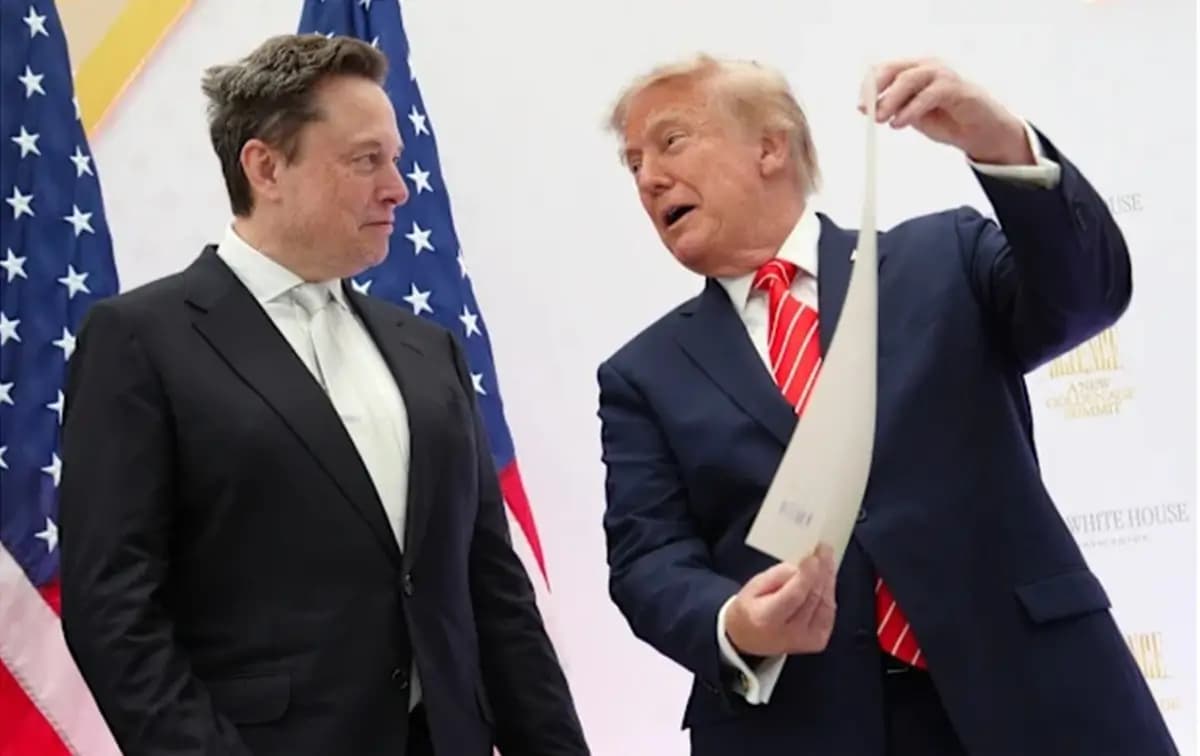
Mohammadi also said US President Donald Trump and Israeli Prime Minister Benjamin Netanyahu had in principle agreed on another strike, though he doubted they could achieve their objectives.
Iran threatens Gulf oil and AI facilities amid rising military tensions
Iranian media reported that Rezaei warned that cables, data centres and artificial intelligence facilities could become targets in another conflict. As long as the infrastructure supporting Iran’s enemies was protected, Iran’s economic lifelines could not be targeted, he said.
The threats come as US media report that military advisers have identified possible targets for a joint American-Israeli campaign. Operations were expected to follow the US midterm elections on 3 November, but no decision to launch an attack has been independently confirmed, reports suggested.
Missile installations, oil facilities and nuclear sites were said to be on the possible target list. The source report said Washington has previously considered renewed military action, with Trump backing down from strikes on Iran seven times in the previous four months.
US Defence Secretary Pete Hegseth met Netanyahu in Israel on Monday to discuss the timing and purpose of potential joint operations. The account did not establish an independently verified decision, but said Netanyahu favoured having Iran start the fighting.
The United States is also expected to complete a regional military build-up by early November with a possible deployment of three aircraft carriers, thousands of Marines, fighter aircraft and special operations forces.
Also Read: Green Card Restrictions Raise Concerns for Indian Professionals in America
Strait of Hormuz tensions threaten global energy supplies
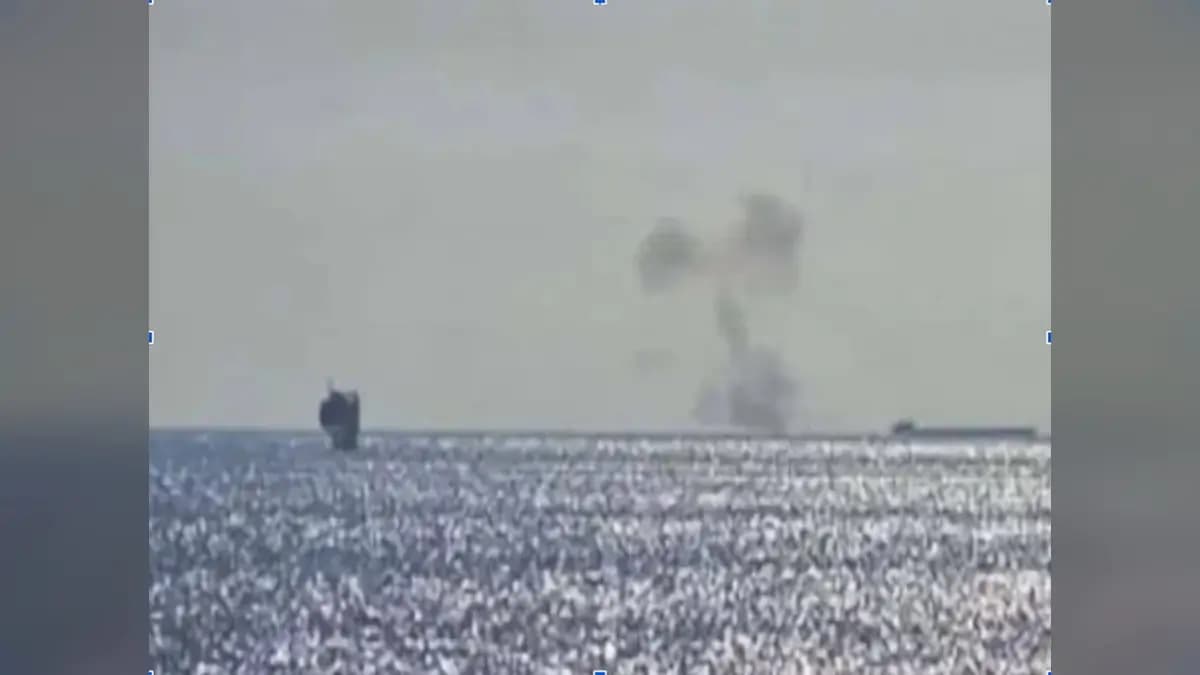
Iran’s Islamic Revolutionary Guard Corps (IRGC) naval forces said they attacked four commercial vessels trying to enter the Strait of Hormuz Wednesday. The vessels were reportedly transferring oil ship-to-ship, while the IRGC separately claimed that three other vessels were mined.
These claims have not been independently checked. But Brent crude hit a recent high of $113.40 a barrel amid rising fears of new conflict and disruptions to international oil supplies.
The Strait of Hormuz is also an important shipping lane for world energy markets. In the longer term, an extended blockade could disrupt oil exports, increase transport costs and add to inflationary pressures in economies that depend on imports.
Iranian military manoeuvres and joint US-Israeli training exercises, allegedly including flyovers of Iraq, have added to the uncertainty in the region. News outlet Axios also reported that dozens of Israeli aircraft flew near Iran’s border earlier this week.
A big fire at an aluminium factory in Arak, in central Iran, has raised the question of possible sabotage, although the cause of the fire was not established in the account available.
Diplomatic efforts continue as regional risks widen
Foreign ministers of three European countries, Turkey, Saudi Arabia, Pakistan and Egypt are to meet in Istanbul on Friday to align approaches to the Iranian, Yemeni and Palestinian crises.
Iranian and Pakistani mediators have meanwhile been discussing ceasefire proposals involving billions of dollars in frozen Iranian assets. Possible terms include lifting Tehran’s Strait of Hormuz blockade, allowing United Nations inspectors to visit bombed nuclear sites and shipping out highly enriched uranium.
Iran has said it will lift the blockade within seven days and start nuclear talks if preconditions are met, including the lifting of US sanctions.
Reza Nasri, an international lawyer with connections to Iran’s foreign ministry, warned escalation risks the electricity networks, desalination plants, refineries and ports, and could lead to large-scale displacement and economic disruption.
Iran’s Fars news agency, which is close to the IRGC, said military units had been ordered to target political as well as military targets if a broad war included assassinations of Iranian officials and civilian deaths.
The key question for Sprouts News is whether talks can bridge the gap before military preparations turn into renewed hostilities. The next few days could be decisive for regional security, energy markets, and any attempt to avoid a wider conflict.