G7 countries have agreed to coordinate the release of up to 100 million barrels of emergency diesel and crude reserves through the International Energy Agency as fuel markets face supply pressure. Large volumes are expected to enter markets during the initial phase of the four-month operation. The initiative follows concerns over elevated diesel prices, disrupted refined-fuel shipments and uncertainty around key energy routes. G7 governments will consider further releases if supply conditions remain acute, while the IEA will monitor market effects and coordinate implementation.
G7 Diesel Stocks Release: 100 Million Barrels To Enter Markets Amid Fuel Supply Pressure
G7 countries will coordinate a release of 100 million barrels of emergency diesel and crude reserves through the IEA, with large supplies of diesel arriving within 20 days.
G7 to release diesel stocks immediately: Group of Seven agrees to coordinate 100 million barrels of emergency diesel and crude reserves through the International Energy Agency.
Governments are responding to high fuel prices and ongoing supply disruptions in major markets with a large diesel release to kick off a four-month operation over its first 20 days.
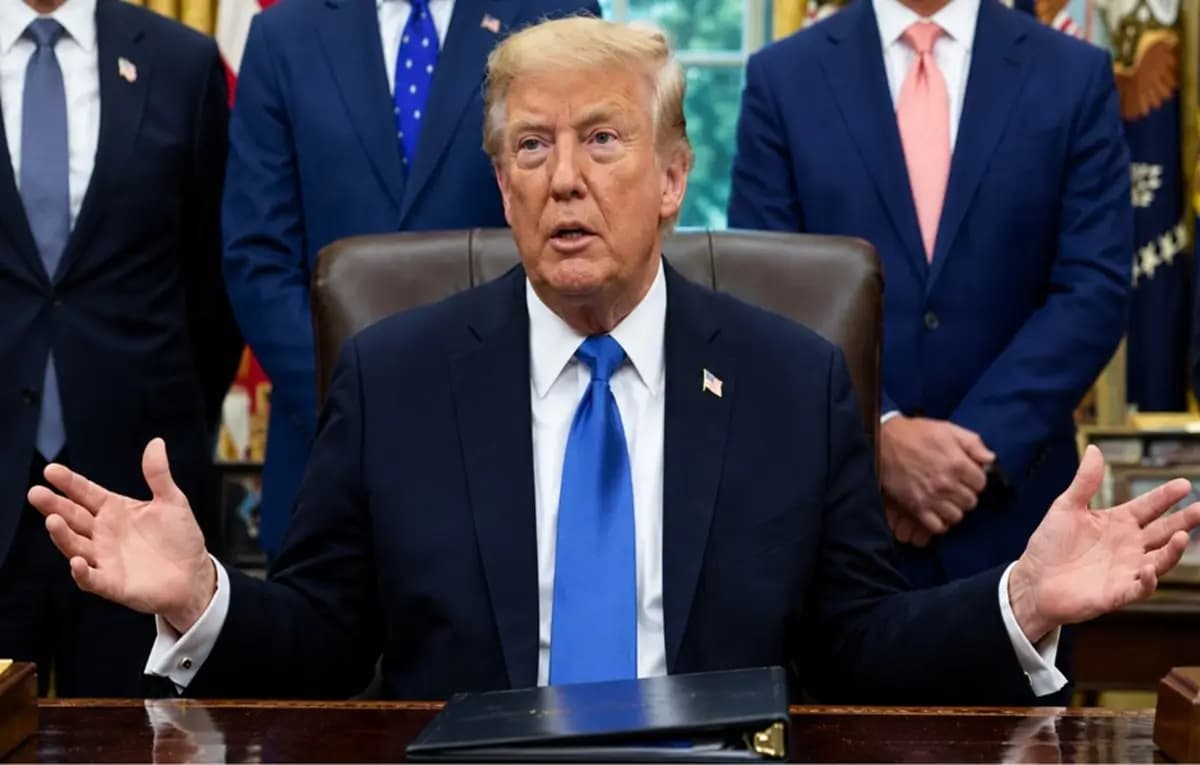
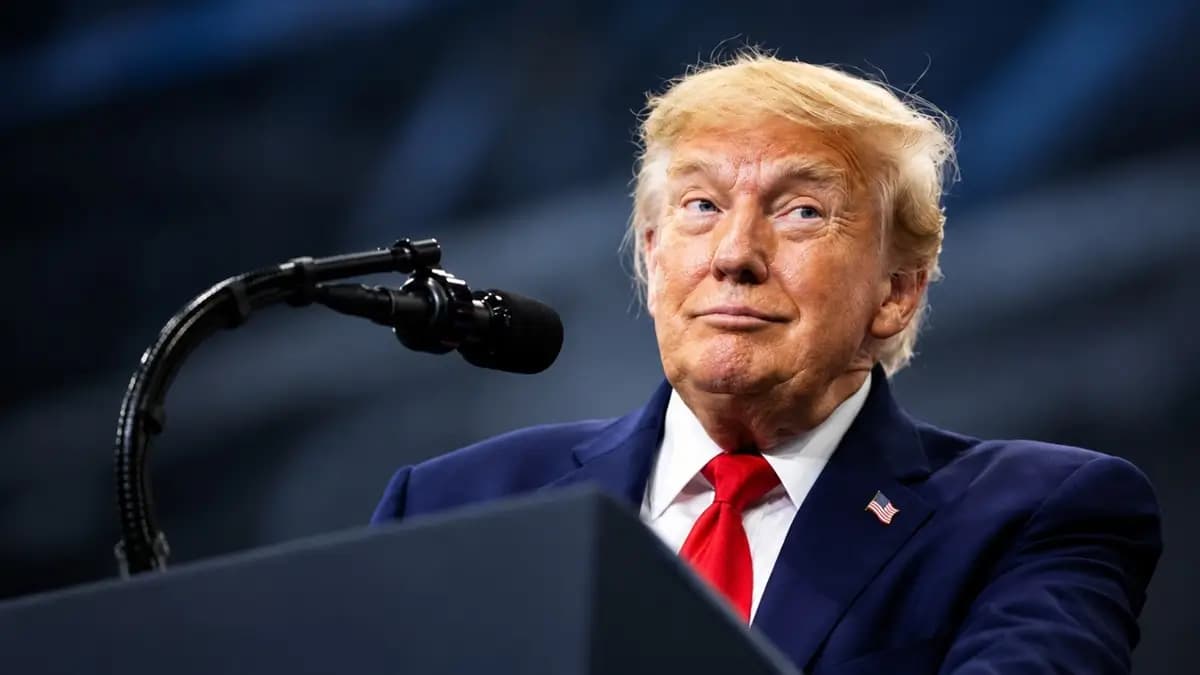
This comes after US President Donald Trump urged European governments to use their diesel reserves, amid fears of possible export bans and tight supplies because of conflicts.
France is the current holder of the G7 presidency. The other members are Canada, Germany, Italy, Japan, the United Kingdom and the United States. The European Union takes part.
G7 leaders said the International Energy Agency would monitor market effects and coordinate implementation, while governments would consider further releases of diesel if supply pressures remain acute.
US diesel prices hit record highs in September and remained high Friday as global fuel markets remain unsettled, highlighting the pressure on motorists, businesses and policymakers.
Trump Pressure And The G7 Diesel Reserves Decision
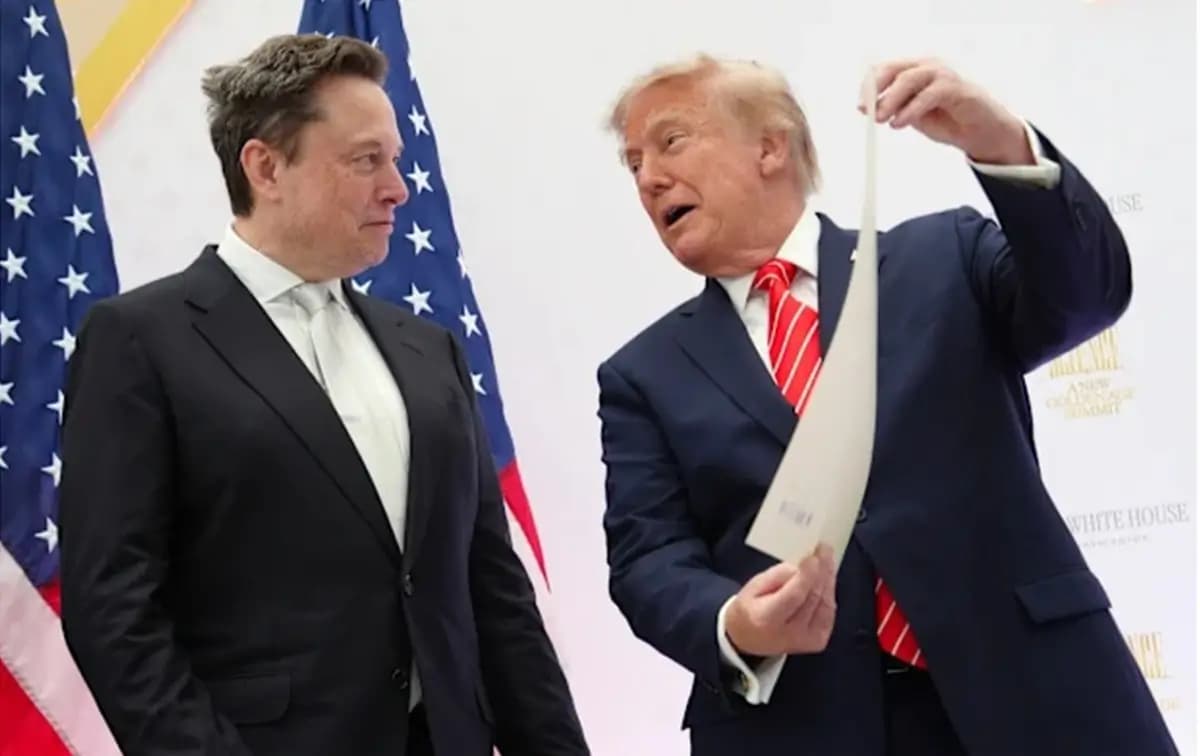
Trump said he had agreed with French President Emmanuel Macron and other G7 leaders that Europe would release a “big amount” of diesel from reserves that are “very big.”
The White House administration had previously urged European partners to increase available supplies, while Treasury Secretary Scott Bessent urged allies to accelerate existing commitments amid disruptions.
The G7 statement also urged members to refrain from restrictions on energy exports between G7 countries, and called on producers more generally not to take steps that could increase market tensions.
The issue of reserves was back on the agenda after Trump raised the possibility of a U.S. ban on diesel exports, which oil producers and business groups opposed because of the potential fallout for broader fuel markets.
The EU’s reliance on U.S. diesel has injected a new sense of urgency into the talks. The United States accounted for about half of the EU diesel imports in August, the International Energy Agency estimated.
Europe’s Dependence on U.S. Diesel Imports
The EU’s trade chief Maros Sefcovic said he talked about diesel supplies and higher prices with US Trade Representative Jamieson Greer at the G20 trade ministers meeting in Milwaukee.
Sefcovic said Europe has an interest in working with the United States to lower prices for diesel and other oil and gas products, but he warned that restrictions could hurt Europe.
The disruption has been broader than a diesel shortage, with less refined-fuel shipments coming from the Middle East and ongoing uncertainty about regional trade routes, energy analysts said.
Macquarie Group energy strategist Walt Chancellor said it would be important to get larger flows of oil through the Strait of Hormuz back up, as releases from reserves cannot fix underlying supply constraints alone.
Crude exports from the Persian Gulf have been close to prewar levels on some days, but refined fuel shipments are still below normal, the information cited in the original report said.
Also Read: ED Searches 14 Jeweller Premises in ₹645 Crore Money Laundering Case
Strait Of Hormuz Adds To Global Energy Uncertainty
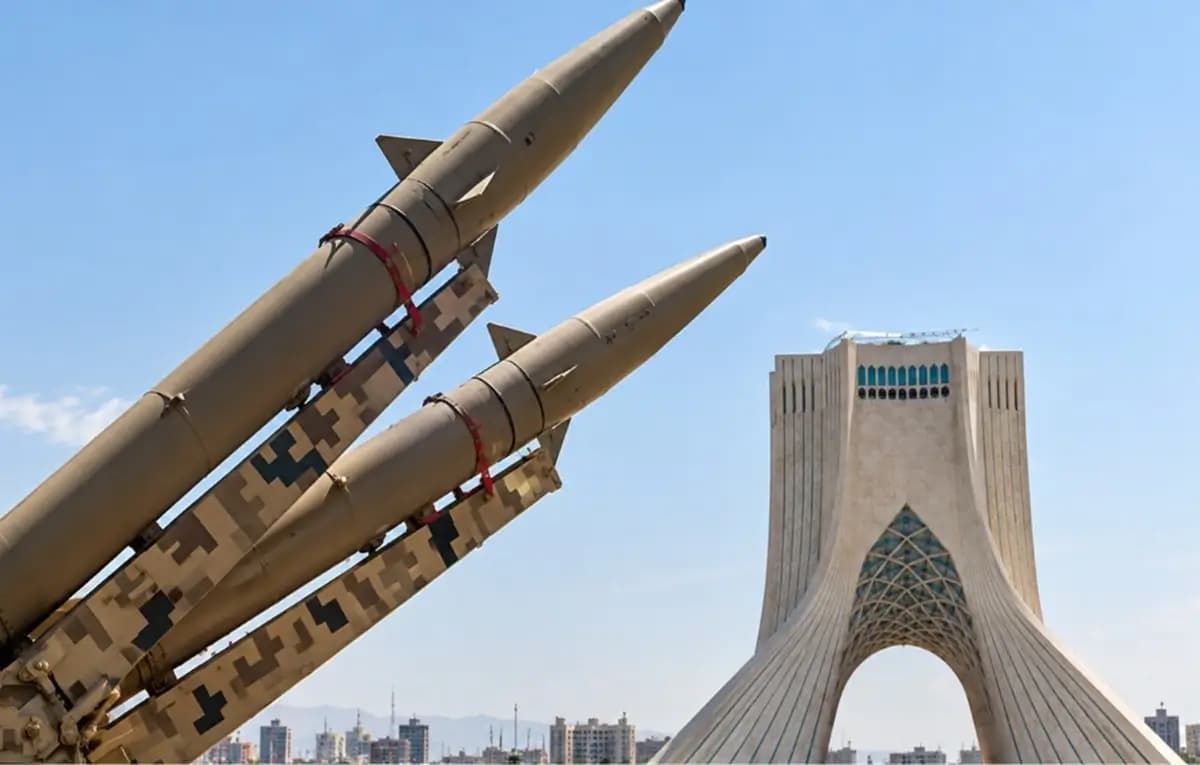
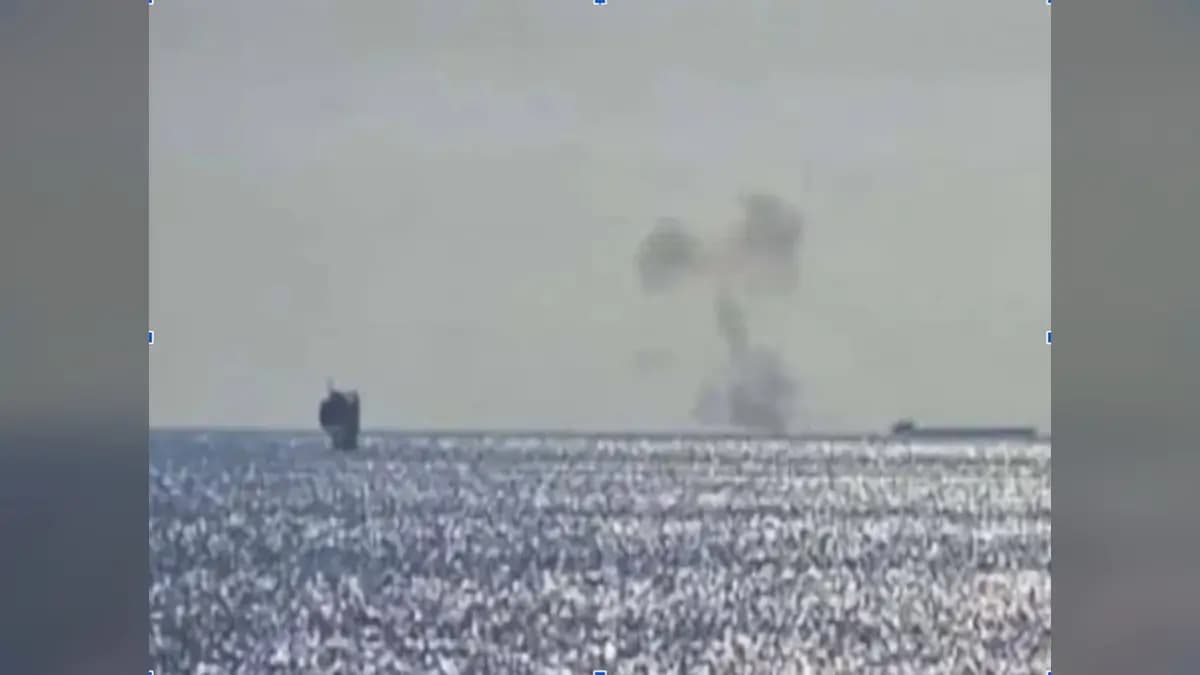
The Strait of Hormuz is still central to the supply picture with shipping activity disrupted after US and Israeli attacks on Iran, although exports have recently returned to levels close to prewar.
The G7 move therefore combines emergency stock releases with efforts to protect refinery capacity, preserve cross-border energy flows and improve coordination as governments evaluate further disruptions.
The deal should send a signal to energy markets, said France. The G7 asked for a report on implementation with recommendations within 20 days, including measures to replenish reserves.
The immediate question for consumers and businesses is whether the increased availability of diesel will translate into lower prices. The G7 said it would monitor developments and adapt measures as necessary.
The coordinated release is to start immediately and run for four months, with the IEA and participating governments to review market conditions before taking further action.
Sprouts News will continue tracking developments around diesel prices, emergency reserves, refinery operations and the wider impact of disruptions on global energy markets.