US-Iran ceasefire talks are restarting through mediators as President Donald Trump denies an Axios report that he was prepared to offer sanctions relief and access to frozen Iranian funds for nuclear concessions. Trump said on Truth Social that the report was untrue and that he had offered Iran nothing. Meanwhile, Iranian Foreign Minister Abbas Araqchi said Tehran was awaiting a US response to its seven-day ceasefire proposal, which includes conditions linked to sanctions, frozen assets and reopening the Strait of Hormuz.
Trump Rejects Iran Sanctions Relief Report as Ceasefire Talks Restart
President Donald Trump denied offering to lift sanctions on Iran or to provide access to frozen funds as mediators try to revive talks on a ceasefire between Washington and Tehran.
Washington and Tehran are restarting ceasefire talks, but US President Donald Trump has denied offering Iran sanctions relief or access to frozen funds in return for nuclear concessions.
Trump dismissed an Axios report, citing unnamed US officials, that said he was ready to offer economic relief in return for concrete Iranian moves on the nuclear program.
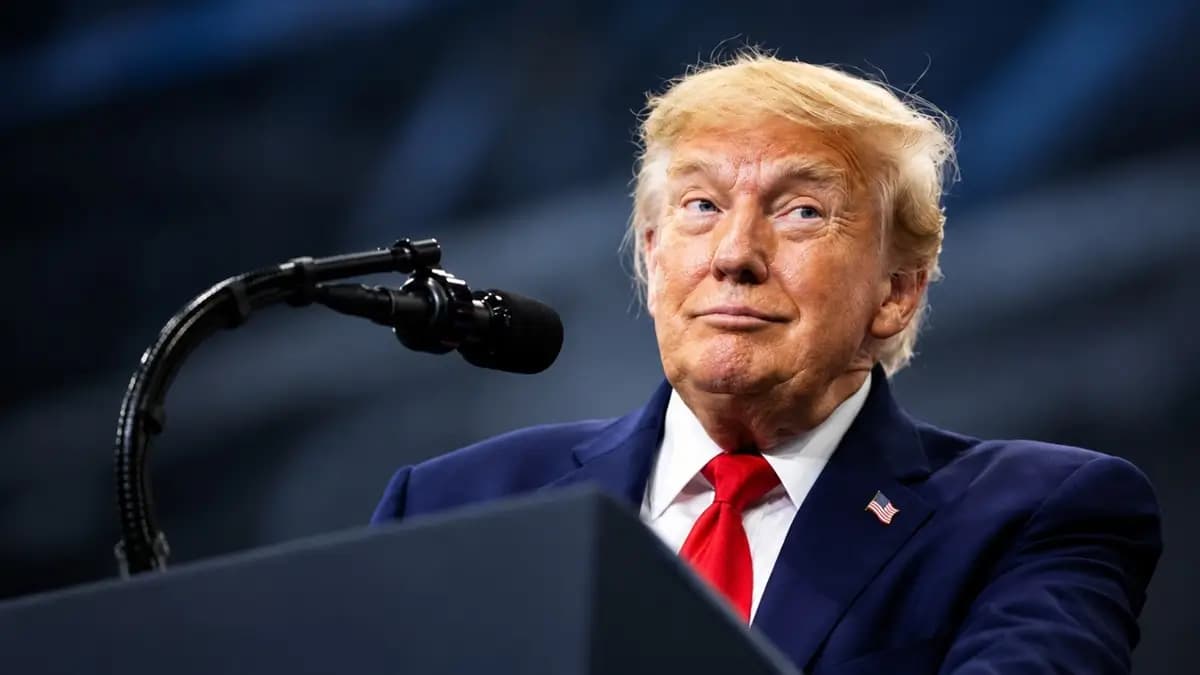
Trump, in a post on Truth Social, called the report false and said he had offered nothing to Iran, denying the account of possible concessions.
The Axios account did not name the US officials, leaving the reported proposal to unnamed sources. Trump took to social media to publicly deny the account amid renewed diplomatic contacts.
Iran insists it has no nuclear weapons and its nuclear program is for peaceful purposes, but also insists its rights are protected under the Nuclear Non-Proliferation Treaty.
Trump has made the weakening of Iran’s nuclear capabilities a key war objective, so any prospective agreement will have to include limitations on Tehran’s nuclear program.
US-Iran ceasefire talks continue through mediators
US and Iranian officials separately talked to mediators on Monday as efforts to end seven months of war resumed, officials from both countries involved said.
Talks are set to resume on a revised version of Iran’s call for a seven-day truce, floated last week on the sidelines of the United Nations General Assembly.
Iranian Foreign Minister Abbas Araqchi, who stayed on in New York after the General Assembly, said Tehran was waiting for Washington’s response to its latest terms and proposals for a ceasefire.
Araqchi was quoted by Iran’s state news agency IRNA as saying Tehran was waiting for a US response over conditions for the resumption of maritime traffic through the strategically vital Strait of Hormuz.
“If Washington is truly looking for an agreement or a peaceful solution, Tehran has already presented to US officials what it thought was a feasible diplomatic proposal,” Araqchi said.
Iran's seven-day plan includes ending hostilities in Iran and Lebanon, unfreezing billions of dollars in Iranian assets, ending sanctions on Iranian oil and lifting the US blockade.
The plan would see Iran allow the reopening of the Strait of Hormuz and Washington and Tehran resuming negotiations over Iran’s nuclear program and highly enriched uranium.
Also Read: Fadnavis Announces Global Job Push Under Maharashtra Employment Drive
Trump signals further negotiations despite rejecting proposal
Trump, on Saturday, said that he rejected Iran's offer, noting that Tehran was seeking a quick deal due to extreme economic pressure on the country.
But Trump told Axios on Sunday he expected US negotiators to take part in further talks with Iran in the coming week.
Negotiators have not officially conveyed to Tehran the American rejection, and the country was awaiting a clear position from Washington before deciding how to proceed, Araqchi said on Sunday.
Iran’s conditions were still clear, he said, and the re-opening of the Strait of Hormuz would depend on those conditions being met, insisting talks were still needed.
The source report said the conflict began in late February with US and Israeli strikes on Iran and has killed thousands over the seven months.
Washington and Tehran have previously reached two mediated ceasefire agreements in April and June, but both arrangements quickly unravelled without producing a lasting settlement agreement.
The latest diplomatic push has thus revolved around whether mediators can reconcile differences over sanctions, frozen Iranian assets, maritime access and limits on Iran’s nuclear program.
Tehran ties the reopening of the Strait of Hormuz to its stated conditions, while Washington keeps nuclear limitations at the centre of its conditions for agreement.
Negotiations this week could determine if the competing proposals can be reconciled, although the parties have not yet made a definitive public announcement of an agreement.
The diplomatic process is still focused on balancing competing demands, with sanctions, nuclear restrictions, maritime access and frozen assets likely to remain key issues. Sprouts News will report on verified developments.