Chinese President Xi Jinping has embarked on an unusually active diplomatic schedule as Beijing seeks to strengthen its global position ahead of a possible meeting with US President Donald Trump. Xi’s participation at the Shanghai Cooperation Organisation summit in Kyrgyzstan is expected to be followed by a state visit to Egypt and potentially India for the BRICS summit. A visit to New Delhi would mark his first trip to India since 2019. The diplomatic push comes amid US-China trade tensions and wider geopolitical challenges involving Russia, Iran and global security.
Xi Jinping Steps Up Global Diplomacy Ahead of Expected Trump Summit
Chinese President Xi Jinping is undertaking an unusually active diplomatic schedule, with state visits and international summits expected to shape China’s global positioning ahead of a possible meeting with U.S. President Donald Trump later this month.
Xi Jinping arrived in Bishkek, Kyrgyzstan, alongside First Lady Peng Liyuan on August 30 to participate in the Shanghai Cooperation Organization (SCO) Summit. The visit marks the beginning of a broader diplomatic tour that is expected to include Egypt and potentially India.
According to analysts, the rare overseas engagements offer important insight into Beijing’s strategic priorities. Gabriel Wildau, Managing Director at Teneo, noted that Xi Jinping has significantly reduced foreign travel in recent years, making the current schedule particularly noteworthy.
The Chinese leader has made only one foreign trip this year, visiting North Korea in June -- his first there in seven years. In the first half of 2026, for example, Beijing hosted over 20 world leaders, including Donald Trump.
Tensions around the world, including the conflict with Iran, trade disputes between the U.S. and China, and growing concerns about artificial intelligence, have added pressure on major powers to play a bigger international role. Increasingly, Chinese policymakers see Beijing as a critical actor in solving global problems.
China should provide more global public goods and play a more active role on issues including supply chain security, cybersecurity and energy stability, Hai Zhao, director of international political studies at the Chinese Academy of Social Sciences, was quoted as saying.
Xi Jinping’s SCO and Egypt Visits Highlight China’s Regional Strategy
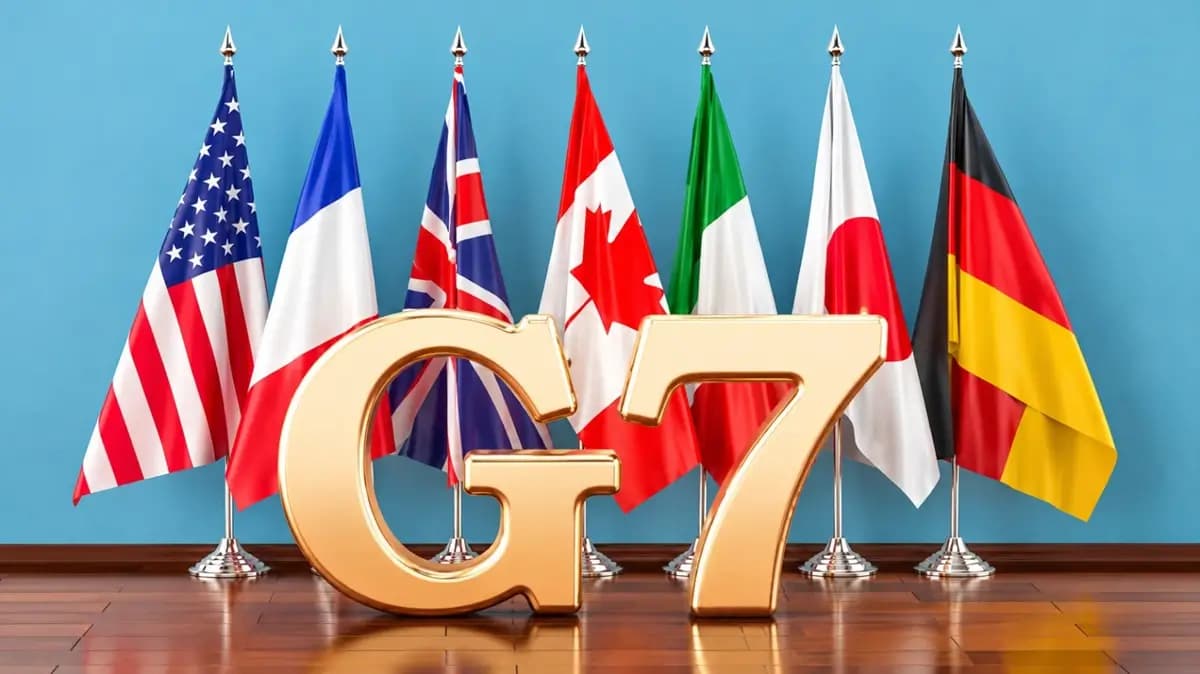
The SCO summit in Kyrgyzstan with leaders from Russia, India and other non-Western countries. The summit is considered a major venue for regional security consultations and strategic coordination.
Following the summit, Xi Jinping will make his first state visit to Egypt in ten years. Beijing has deepened its economic footprint in the Suez Canal region through trade and industrial cooperation projects, a sign of growing ties with Egypt.
Also in focus is the forthcoming BRICS Summit, which will be held in New Delhi on September 12-13. While China’s participation has not been officially confirmed, Xi Jinping is widely expected to attend.
If confirmed, the visit would be Xi Jinping’s first visit to India since 2019 and his first since deadly border clashes between Indian and Chinese forces in 2020. It would be a major diplomatic milestone.
Washington is closely watching developments at the SCO and BRICS summits, Sprouts News reports. The US is seeking to bolster its relationships with India and China, and at the same time is stepping up its pressure on Russia over the Ukraine war.
Images of Xi Jinping sharing a lighthearted moment with Indian Prime Minister Narendra Modi and Russian President Vladimir Putin at the SCO Summit in Tianjin last year drew worldwide attention and provoked strong reactions in Washington.
Since then, geopolitical dynamics have shifted considerably. Donald Trump reduced tariffs on Indian imports from 50% to 18% earlier this year, while trade negotiations between Washington and New Delhi have continued.
India-China Relations and AI Security Emerging as Key Diplomatic Themes
Despite improving engagement, India and China continue to face unresolved issues. Recent agreements to pursue solutions for long-standing border disputes have been welcome, but business and visa-related issues remain sources of friction.
Direct flights between the two countries have resumed, historical trade routes have reopened and India has eased some investment restrictions affecting Chinese companies. These developments signify cautious progress in bilateral relations.
At the same time, India is trying to boost domestic manufacturing. The country has become a big producer of Apple smartphones and is now seen by the Indian government as the world’s second-largest mobile phone manufacturer.
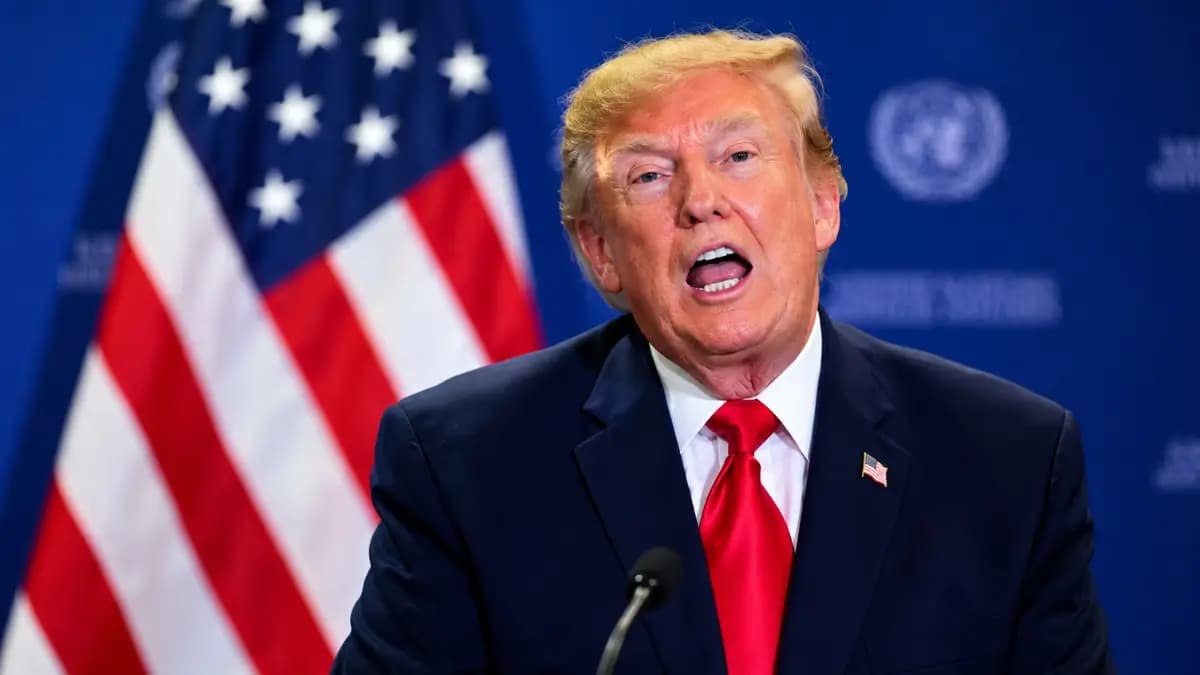
Technology and artificial intelligence are expected to be key topics in a possible summit between Trump and Xi, expected to be held around September 24 in Washington. There has been no official confirmation from China that Xi Jinping will attend the meeting.
Recent discussions with Wang Huning, chairman of the National Committee of the Chinese People’s Political Consultative Conference, U.S. delegates and Asia Society Chief Executive Officer Kevin Rudd reportedly included AI safeguards and cooperation in cancer research.
Governance of artificial intelligence could become a key area of discussion, experts say. Hai Zhao reportedly cautioned about the risks posed by the uncontrolled development of advanced large language models, which could lead to huge economic and security risks worldwide.
But Gabriel Wildau warned that many policymakers still think competitively regarding developing artificial intelligence. But they may also be the first steps toward understanding whether the future requires cooperation or rivalry.