India faces renewed US tariff pressure after the US House passed legislation giving President Donald Trump authority to impose tariffs of up to 100% on major buyers of Russian oil and gas. The Lindsey O. Graham Sanctioning Russia and Iran Act of 2026 passed the House 262-159 after clearing the Senate in August. The measure does not automatically impose a 100% tariff on India. India imported about $40.8 billion of Russian crude in fiscal 2026, according to GTRI, highlighting the potential trade and energy implications.
India Faces 100% US Tariff Threat Over Russian Oil After House Vote
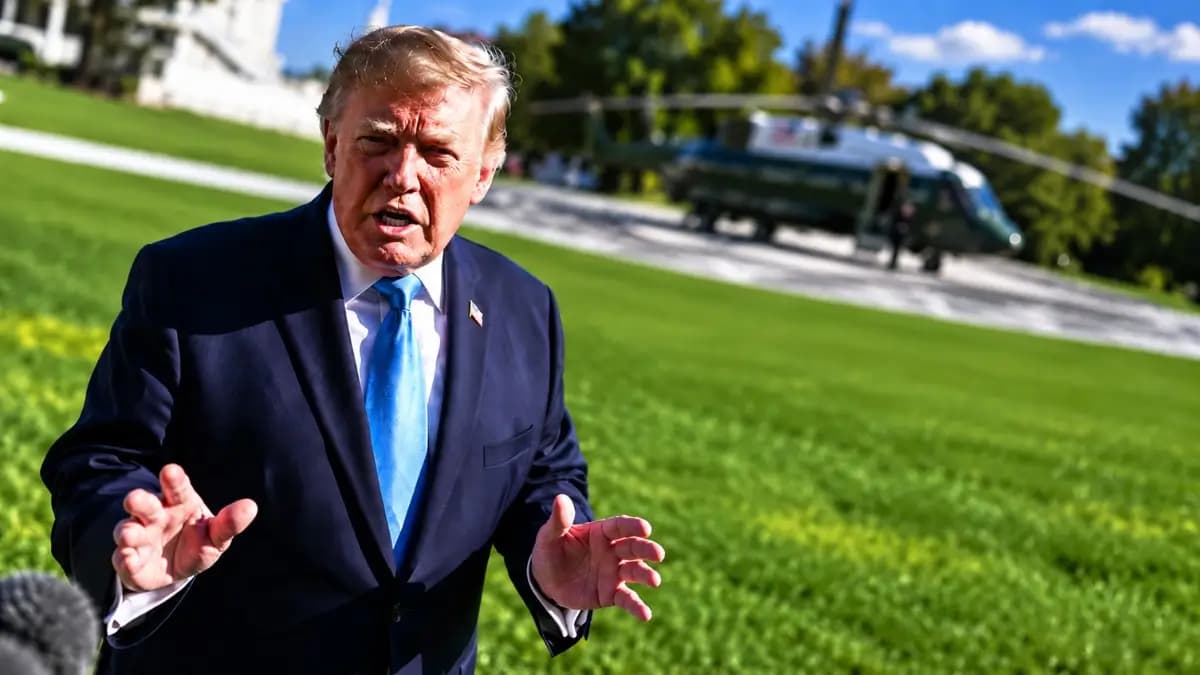
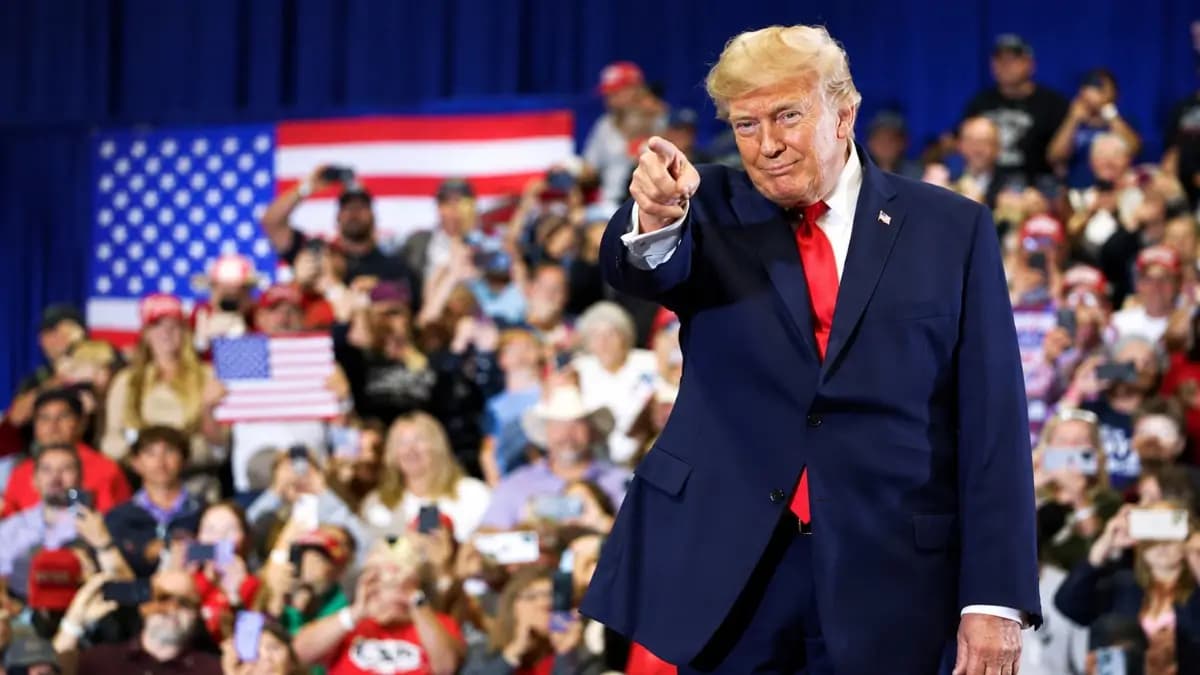
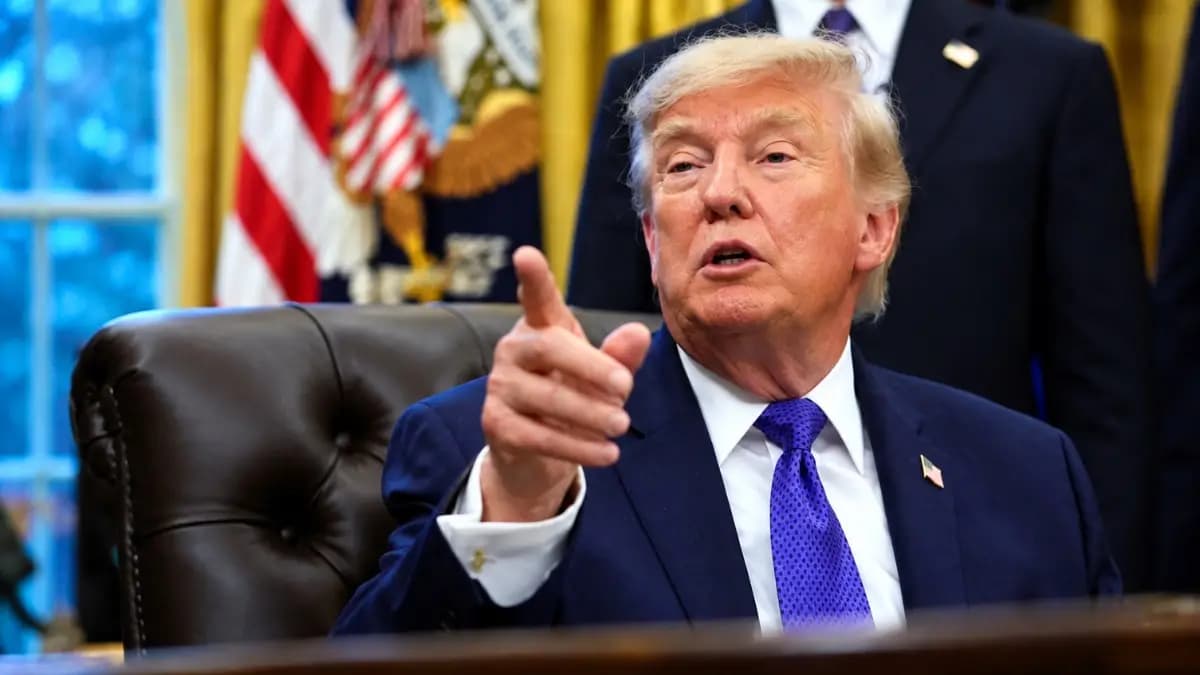
The US House has passed legislation allowing President Donald Trump to impose tariffs of up to 100% on countries that buy Russian energy, putting India’s oil strategy under fresh pressure.
The United States House of Representatives has approved legislation that would permit President Donald Trump to impose tariffs of up to 100 per cent on countries that buy Russian energy, causing geopolitical tensions over India’s purchases of Russian oil.
The measure, officially called the Lindsey O. Graham Sanctioning Russia and Iran Act of 2026, passed the Senate 86-11 in August and the House 262-159 on Sept. 16.
The law does not automatically levy a 100 per cent tariff on Indian goods. Rather, it provides a legal way for the president to impose such tariffs under certain circumstances.
India’s Russian Oil Dependence Faces New Pressure
India has stepped up its purchase of Russian crude as Moscow’s invasion of Ukraine upended the established global energy trade and sent barrels with discounts to refiners in Asia.
Indian crude imports from Russia accounted for 30.3 per cent of the total in fiscal 2026, or $40.8 billion, the Global Trade Research Initiative said.
China accounted for 50% of Russia’s crude exports between December 2022 and August 2026, followed by India at 37%, the Centre for Research on Energy and Clean Air reported.
According to reports, Russian crude accounted for more than half of India’s imports in July, while supplies from the United Arab Emirates, Saudi Arabia, Venezuela, Brazil, Oman and America were still significantly smaller.
India’s dependence is significant as the country imports more than 88% of its crude requirements and therefore supply diversification and conditions of international shipping are important factors in energy security.
The Council on Energy, Environment and Water has also flagged constraints on India’s ability to switch quickly between different crude grades across its refining system.
India has in the past argued that buying Russian oil helps ensure affordable energy for its people, and New Delhi has continued to say that having a diverse mix of sources is key to energy security.
India Responds as Washington Raises Tariff Stakes
We are monitoring the developments and remain committed to ensuring energy security for our 1.4 billion people, India’s Ministry of External Affairs said.
India had discussed the possible effects of the legislation with US interlocutors at the highest levels, including the impact on bilateral ties and global energy markets, the ministry said.
New Delhi also said it would take necessary steps to protect its trade and economic interests while working with Indian industry and trade bodies.
“India and China should be buying their oil and gas from other countries,” US Senator Richard Blumenthal told reporters separately, echoing Washington’s pressure on major Russian energy buyers.
The new legislation follows previous US tariffs on Indian goods that hit 50% in 2025 and were later reduced.
The economic exposure is not just limited to crude imports. Indian exports to America include electronics, pharmaceuticals, machinery, jewellery, chemicals, textiles, and petroleum products.
The United States imported roughly $104 billion of goods from India in 2025, and total goods and services trade between the two countries was about $240 billion, according to the U.S. Trade Representative.
Also Read: Five Arrested in Hero FinCorp Cyber Fraud Case Over ₹12.84 Crore
Refining Trade Adds Another Layer
India’s role extends beyond importing Russian crude as its refineries convert Russian barrels into petroleum products that could flow into international markets.
Indian refineries exported about 120,000 tons of petroleum products to Russia in August, data from the Centre for Research on Energy and Clean Air showed.
These shipments accounted for some 70 per cent of Russia’s oil-product imports that month, after disruptions to Russian refining capacity and domestic fuel availability.
The situation adds more commercial considerations for Indian refiners, whose costs depend on crude discounts, freight, insurance, sanctions exposure and access to alternate supplies.
The Council on Energy, Environment and Water estimates that India’s turn to Russian crude post-2022 has saved it $12.6 billion.
But the economic advantage has shifted with narrower discounts, heightened competition for Russian barrels and increased risks associated with shipping, insurance and sanctions.
Trade Relations Could Face Wider Consequences
The proposed tariff mechanism may affect Indian exporters, refinery margins, currency conditions and the broader trade balance rather than work as a direct tax on Russian crude coming to India.
Analysts quoted in recent reporting have warned that the measure could complicate ongoing India-US trade negotiations and add uncertainty to bilateral commercial ties.
India also has structural energy vulnerabilities, with more than 85% of its crude apparently sourced from six countries, several of which are in politically sensitive regions.
Its strategic petroleum reserves are sufficient to cover about nine to ten days of net oil imports, while operating refinery stocks provide additional coverage of domestic supply requirements.
The country's dependence on LPG adds another worry, as India imports more than 60% of the cooking fuel used by hundreds of millions of households.
For Sprouts News, the critical question is whether the economic benefits of Russian oil can continue to outweigh the possible negatives of American trade pressure.
The next phase depends on President Trump’s decision, the terms of implementation of the legislation, possible exemptions, future Russian crude discounts and the outcome of India-US trade negotiations.
Instead of a simple choice between Russian and American interests, India is confronted with a complicated calculus of energy affordability, export access, diplomatic relations and supply resilience.