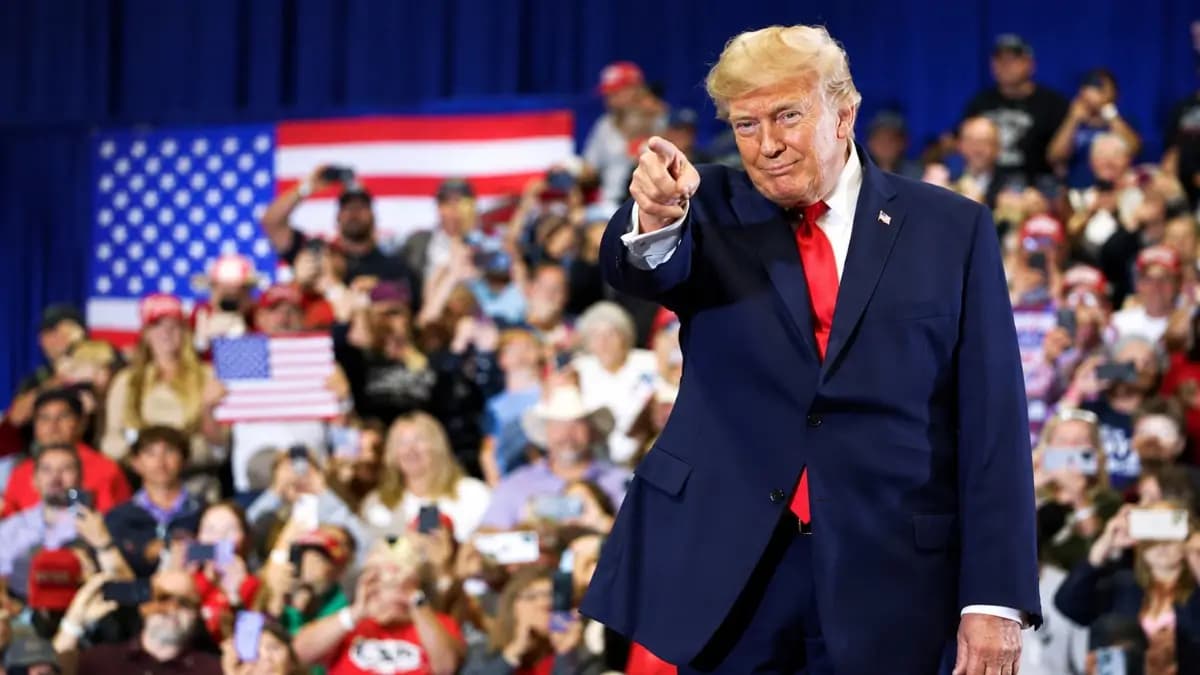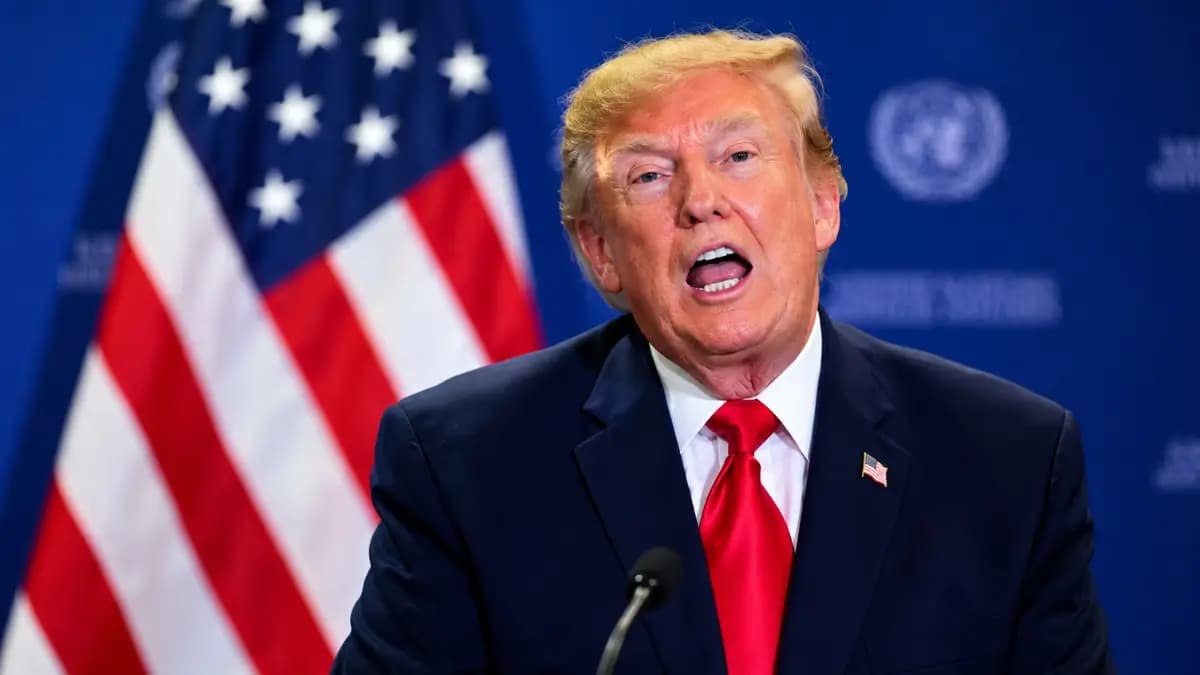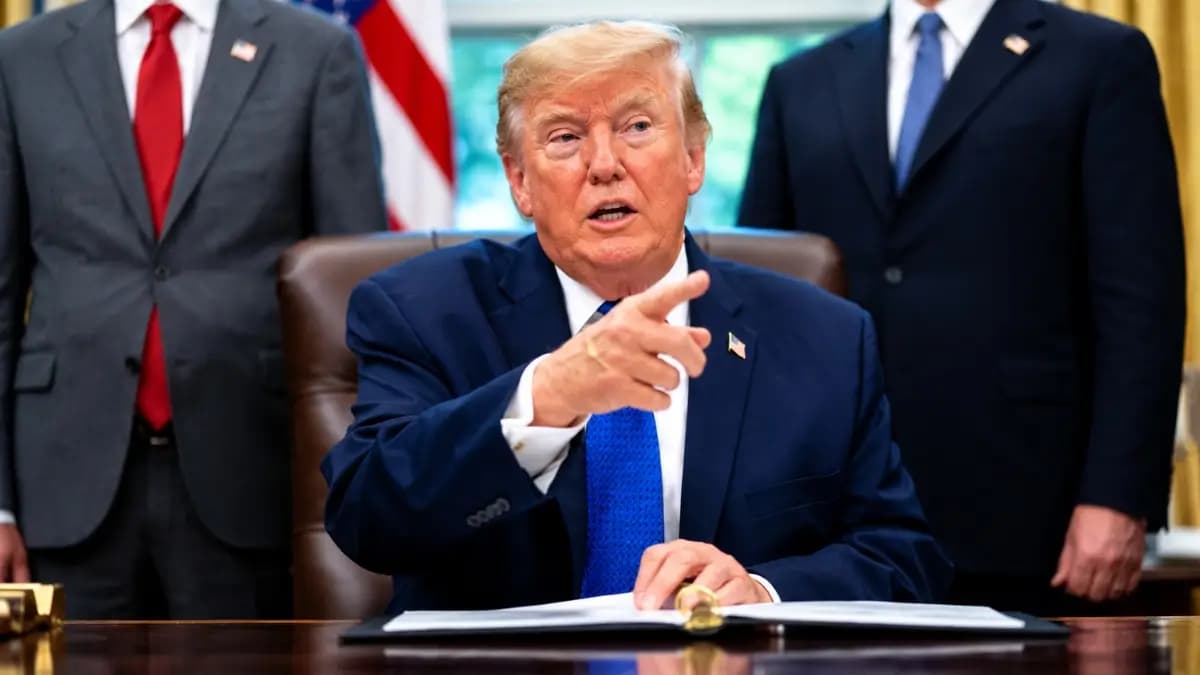
US President Donald Trump has reiterated a proposal to give every adult American citizen a $5,000 “Trump Dividend” if Republicans retain control of the House and Senate in the 2026 midterm elections. The White House has promoted the proposal as a cash payment linked to economic strength and tariff revenues. FactCheck.org estimates that payments to roughly 245 million adults could cost about $1.2 trillion, while Trump has not provided a detailed funding mechanism, eligibility rules, legislative plan or distribution timetable.
Trump $5,000 Payment Promise Raises Questions Ahead of 2026 Midterms
US President Donald Trump has reiterated his promise to give adult US citizens $5,000 if Republicans maintain control of Congress after the November midterm elections.
U.S. President Donald Trump has promised to give every adult American a $5,000 bonus if Republicans maintain control of both houses of Congress in the 2026 midterm elections.
Trump referred to the proposed payment as a “Trump Dividend,” tying it to what he described as strong economic performance and revenue from tariffs.
The proposed payments to adult citizens, if Republicans take control of the House of Representatives and Senate, would be triggered by Trump in a statement reported on October 3.
Trump said he was looking forward to signing the cheques, presenting the proposal as a direct financial benefit that would follow a Republican victory in November’s congressional elections.
The White House has separately described the initiative as a $5,000 cash payment for every adult American citizen, saying economic strength under Trump would make the dividend possible.
Trump Dividend faces major funding questions
The Trump Dividend would be a big federal spending proposal, with estimates putting the cost at more than $1 trillion depending on the eligible population.
About 245 million Americans are over 18, according to Census Bureau figures cited by CBS News, which would mean a bill of more than $1.2 trillion if everyone received $5,000.
Reuters said the proposal could cost about $1.35 trillion if eligibility extended to that population, using a broader estimate of about 270 million U.S. adults.
Trump has cited tariff revenues as a potential source of funding, but has also said broader economic strength would support the proposed payments.
FactCheck.org said that based on the numbers available at the time Trump announced the plan, it would take more than six years of tariff collections to cover the roughly $1.2 trillion cost.
The administration has yet to publicly outline a payment mechanism, eligibility framework, legislative proposal or timetable for how the promised cheques would actually be distributed.
Congressional approval remains an unresolved issue
The proposal also raises questions about presidential authority as well because normally a president would require congressional authority and a designated source of federal funding to authorise such broad-based payments.
Trump did not clarify whether Congress would have to approve the proposed payments at the midterm convention of the Republican National Committee, CBS News reported.
Reuters also reported that it was unclear how the payments would work or whether the proposal would be legally permissible under existing federal arrangements.
The promise was first prominently trumpeted at the first midterm convention of the Republican Party in Dallas on Sept. 9, where Trump tied the dividend directly to Republican control of Congress.
Trump later repeated the proposal, including a pledge that all adult citizens would receive $5,000 if Republicans took control of both chambers.
The proposal is among a raft of financial measures and promises tied to the administration, including payments to healthcare and other groups before the November election.
Also Read: Khar West Residents Hold Silent Gathering Over Noise and Traffic
Trump contrasts proposal with Democratic policies
Trump has compared the proposed payment to Democratic economic policies, saying Republican control would mean continued economic growth while warning that a Democratic victory could lead to a severe downturn.
Among his comments was a reference to a possible Democratic economic outcome resembling the stock-market crash of 1929, a statement that is Trump’s political characterisation, not a settled economic forecast.
The proposed payment has thus become part of a larger political debate over tariffs, government spending, inflation, economic growth and the competing economic philosophies of Republicans and Democrats.
The bottom line for Sprouts News readers: The $5,000 is still a political promise, not an approved federal benefit, and there are big money and legislative questions that remain unanswered.
What happens after the 2026 midterms
The midterm elections in the US will take place on 3 November 2026, when voters will elect who will control the House of Representatives and Senate, and directly influence the proposed condition.
Any effort by the administration to implement the Trump Dividend would still require clarity on eligibility, funding, legal authority, and congressional procedures if Republicans retain both chambers.
Should either chamber flip, the condition Trump attached to the proposed payment would not be met as he has publicly described it.
The $5,000 pledge remains a campaign promise, with the practical application, cost and legal framework not yet worked out until those questions are settled.