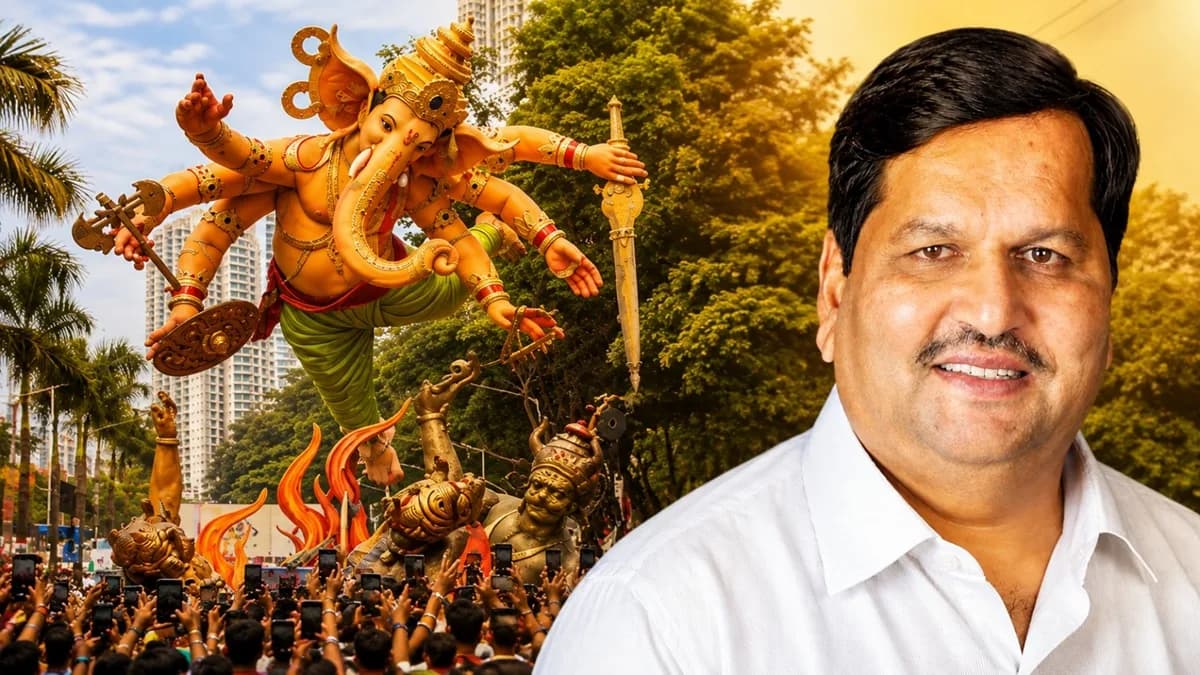
Shiv Sena MLA Dilip “Mama” Lande led the annual Shravan Kavadyatra in Mumbai’s Chandivali on August 30, drawing thousands of devotees along the route from Sheetal Lake to Shri Shambho Mahadev Temple. Participants carried kavad, ghadas and kalashs while chanting devotional slogans and taking part in jalabhishek rituals. Organisers said holy water brought from Kashi was used for the offering at the temple. Lande also linked the event to support for the Shiv Sena-BJP government and Maharashtra’s Hindutva-oriented political agenda.
Dilip Lande Kavadyatra in Chandivali Draws Thousands of Devotees
Shiv Sena MLA Dileep “Mama” Lande led the annual Shravan Kavadyatra from Sheetal Lake to Shri Shambho Mahadev Temple, attracting thousands of devotees.
Dilip Lande Kavadyatra in Mumbai’s Chandivali drew an enthusiastic response from devotees on Sunday, August 30, with chants of “Har Har Mahadev” and “Bam Bam Bhole” resonating along the route.
The annual Kavadyatra was organised by the Shiv Sena Chandivali Assembly constituency under the leadership of MLA Dilip “Mama” Lande to promote Hindu traditions and cultural practices.
The procession began at Sheetal Lake and proceeded through the Kajupada Pipeline area before reaching Shri Shambho Mahadev Temple, where devotees participated in religious rituals and water offerings.
Chandivali Kavadyatra Sees Large Devotee Participation
Thousands of devotees participated in the procession, with a significant number of North Indian women wearing saffron sarees and carrying ghadas and kalashs for the ritual water offering.
Hundreds of men also joined the procession wearing saffron kurtas and carrying traditional kavad, creating a distinctly religious atmosphere throughout the route leading towards Shri Shambho Mahadev Temple.
The procession featured two large displays depicting Lord Shiva, while devotional music, slogans and celebratory activities accompanied devotees during the annual religious event organised during the Shravan month.
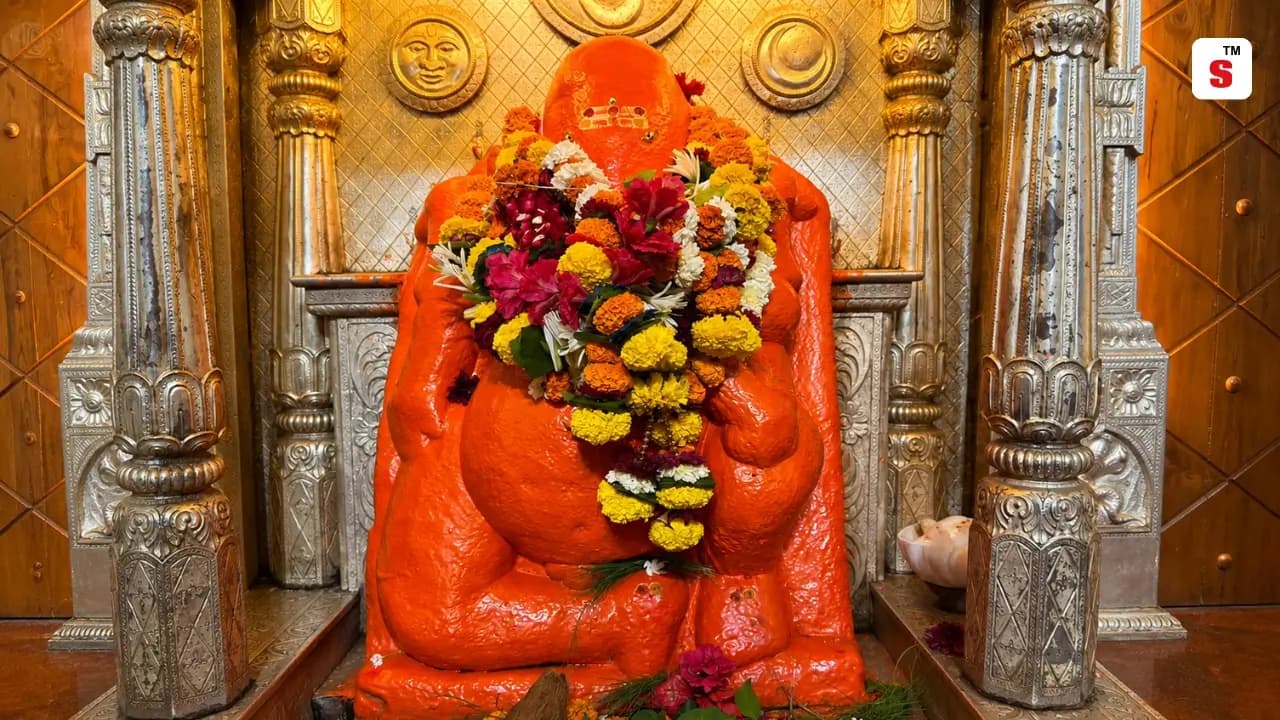
According to the organisers, holy water was specially brought from the pilgrimage centre of Kashi and used for performing jalabhishek on the Shivling at Shri Shambho Mahadev Temple.
The organisers said the annual event aims to preserve religious traditions while providing devotees an opportunity to collectively participate in worship and seek blessings from Lord Shiva.
The procession also included devotional songs played through DJs and fireworks, contributing to the festive atmosphere as devotees travelled through Chandivali towards the temple.
Dilip Lande Links Religious Event With Maharashtra Politics
Dilip Lande, MLA and Shiv Sena department head, said the event sought to unite saffron strength, energy and devotion behind Maharashtra Deputy Chief Minister Eknath Shinde.
Lande further said the initiative was intended to demonstrate support for the Hindutva-oriented Shiv Sena-BJP government in Maharashtra while continuing the annual religious tradition in Chandivali.
During the ceremony, devotees offered water brought from Kashi to Shri Shambho Mahadev’s Shivling and prayed for strength and blessings for Chandivali’s continued development.
The event therefore combined religious participation with a political message, reflecting the organisers’ stated intention of connecting cultural traditions with support for the ruling political alliance.
Also Read: Trump Claims US Control of 65 Billion Barrels in Venezuela Oil Deal.
Shiv Sena Functionaries Join Annual Religious Procession
Several local political representatives and Shiv Sena functionaries attended the procession, including Chandivali corporator Shaila Dilip Lande and Yuva Sena Maharashtra executive committee president Prayag Dilip Lande.
Pranav Dilip Lande, branch chief Nitin Gokhale, Shailesh Nimbalkar and Babu More were also present during the procession, according to the organisers.
North Indian Sangh Chandivali national president Shri Ramprasad Dubey and women taluka president Sarita Mishra also participated alongside Shiv Sena office-bearers and party workers.
The large participation highlighted Chandivali’s diverse community presence, particularly the involvement of North Indian devotees who joined the religious procession carrying water vessels for jalabhishek.
The annual Kavadyatra has consequently emerged as a significant Shravan religious gathering in the Chandivali area, combining traditional worship, community participation and local political involvement.
What happens next will depend on the organisers’ plans for continuing the annual tradition, while future editions are expected to retain the religious character and community participation witnessed this year.
Spiritual Inspiration Behind Kavadyatra
Kavadyatra is not merely a religious procession; it is a spiritual journey of faith, discipline, devotion, and self-purification dedicated to Lord Shiva.
For devotees, carrying the Kanwar represents carrying their faith and surrendering themselves to the divine. The physical effort involved in walking, maintaining discipline, and carrying sacred water becomes a form of Seva and spiritual practice.
The holy water collected from a sacred river or pilgrimage centre is carried with reverence and offered to the Shivling through Jalabhishek. Spiritually, this offering represents surrendering one’s ego, desires, and worries at the feet of Lord Shiva.
The repeated chants of “Har Har Mahadev” and “Bam Bam Bhole” create an atmosphere of collective devotion. These chants are believed by devotees to strengthen inner faith, courage and concentration while reminding them of the presence of the divine.
The saffron colour associated with many Kavadyatras symbolises renunciation, spiritual strength and dedication. For devotees, wearing saffron and participating in the pilgrimage is a visible expression of their commitment to their spiritual path.
Kavadyatra also teaches an important message: the journey itself is as meaningful as the destination. Walking with devotion, overcoming physical difficulties, and maintaining discipline can inspire devotees to face challenges in everyday life with patience and determination.
The pilgrimage encourages values such as humility, unity, compassion, service, and devotion. People from different backgrounds come together with a shared spiritual purpose, creating a strong sense of community and brotherhood.
At its deepest level, Kavadyatra can be understood as an inner journey—from worldly attachment towards spiritual awareness. The devotee carries sacred water externally, while seeking to cleanse the mind internally through prayer, discipline, and devotion.
“Har Har Mahadev” is therefore not simply a slogan; for devotees, it becomes an expression of faith, surrender, and the belief that Lord Shiva provides strength to continue the journey.