US President Donald Trump has announced what he described as a major Venezuela oil deal, claiming it would give the United States control of more than 65 billion barrels of proven reserves. Trump said the agreement could strengthen US energy security and increase access to Venezuelan crude for American refineries. Venezuela’s interim president Delcy Rodriguez reportedly welcomed the arrangement and projected significant revenue for the state. However, questions remain over the legal structure, state ownership of Venezuela’s oil industry, and how the reported agreement would be implemented.
Trump Announces Venezuela Oil Deal Claiming US Control Over 65 Billion Barrels of Reserves
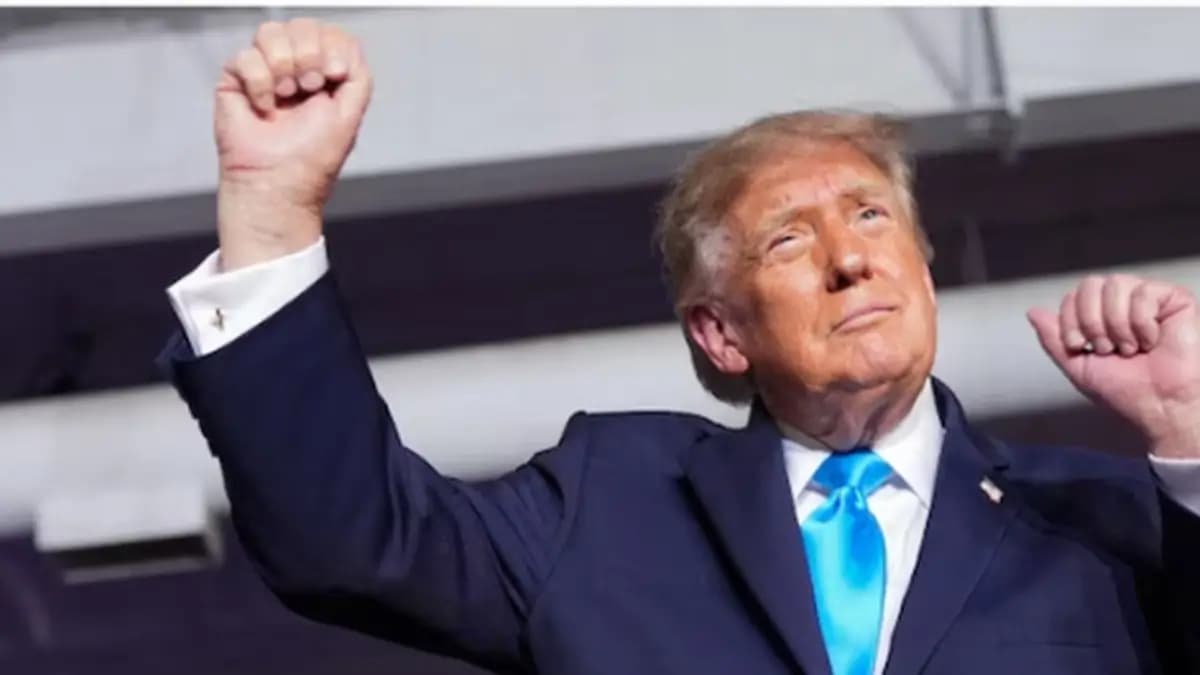
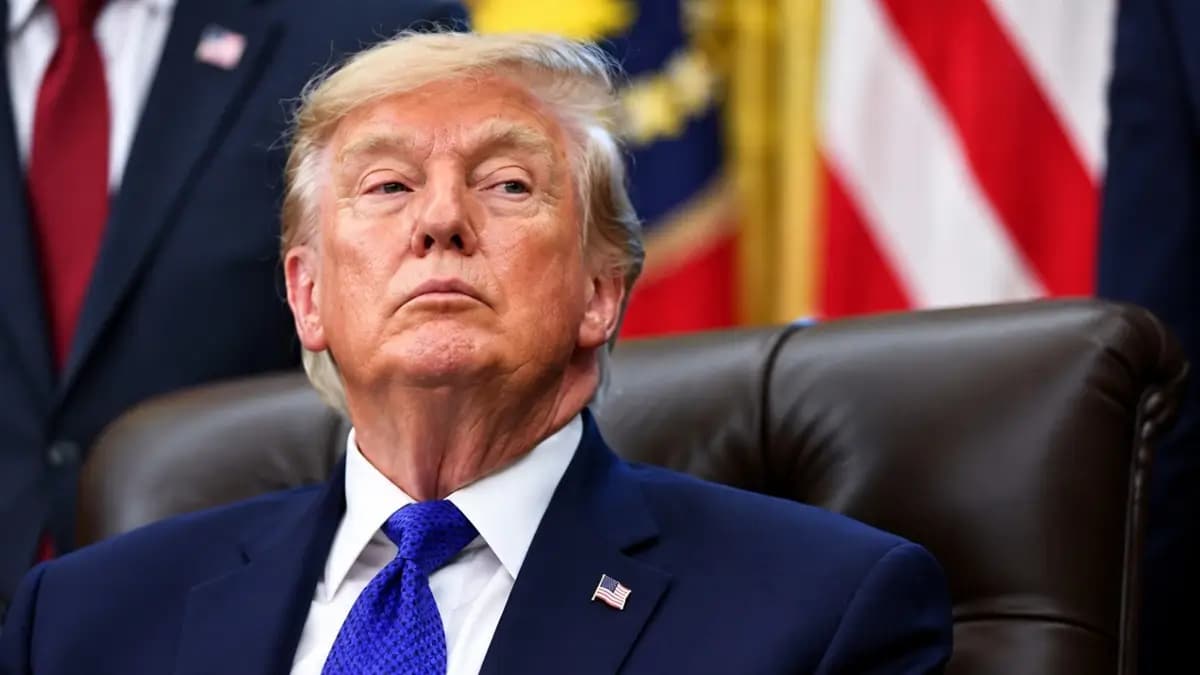
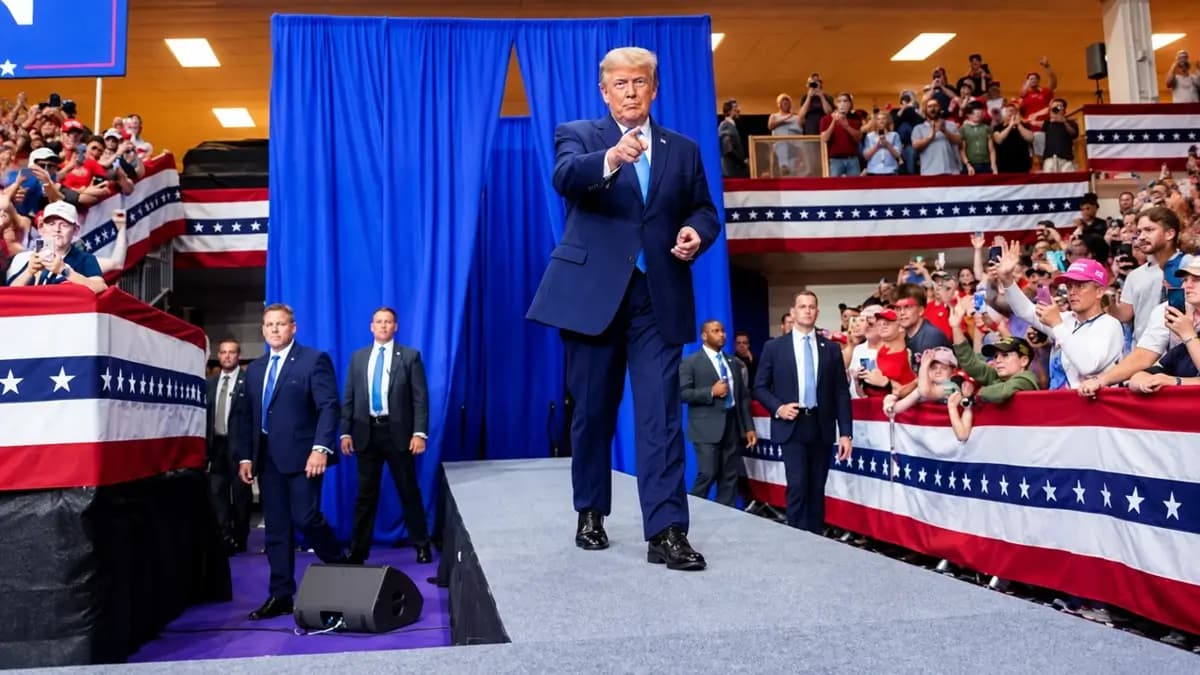
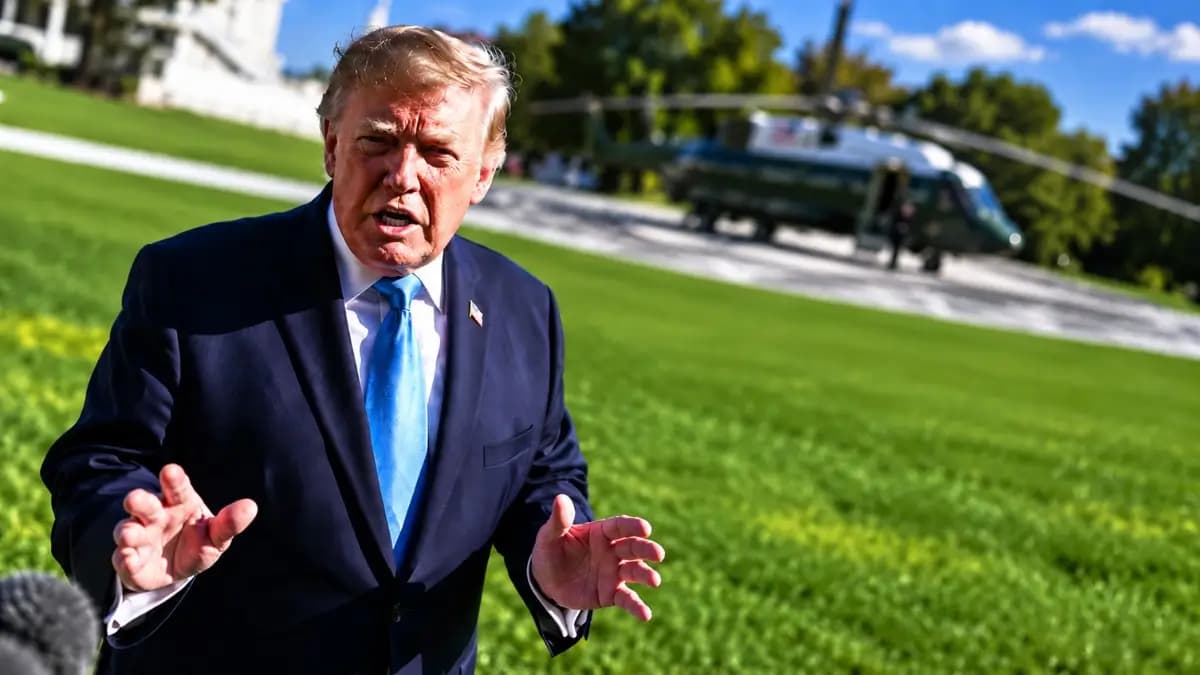
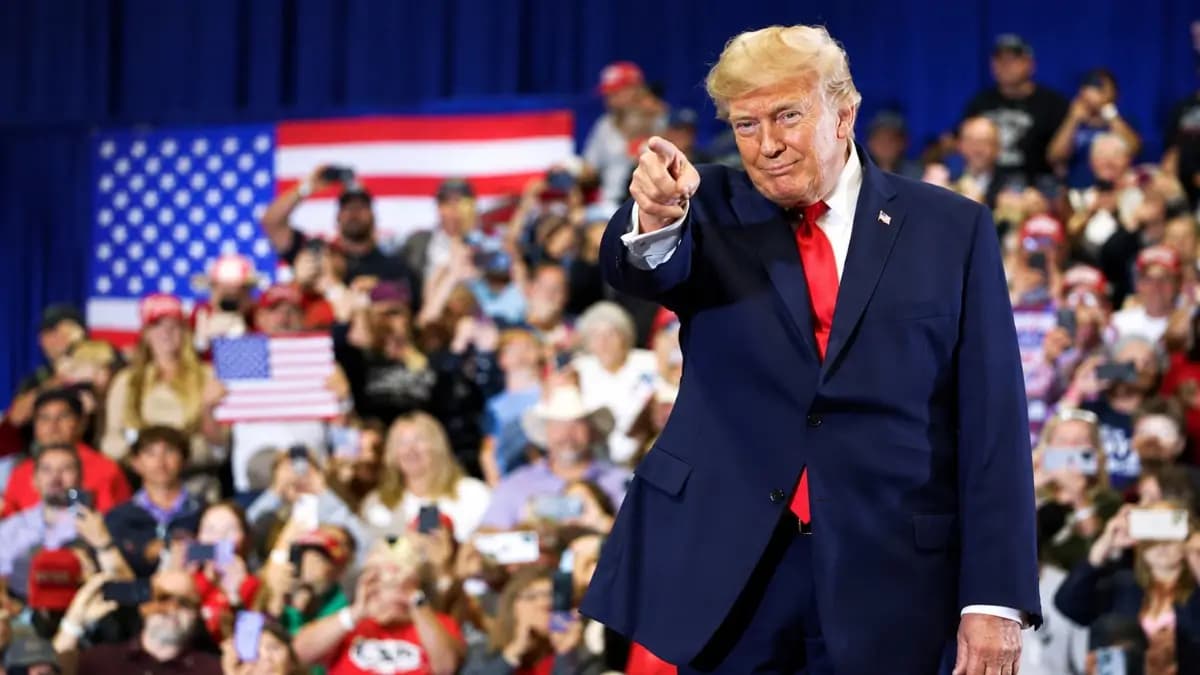
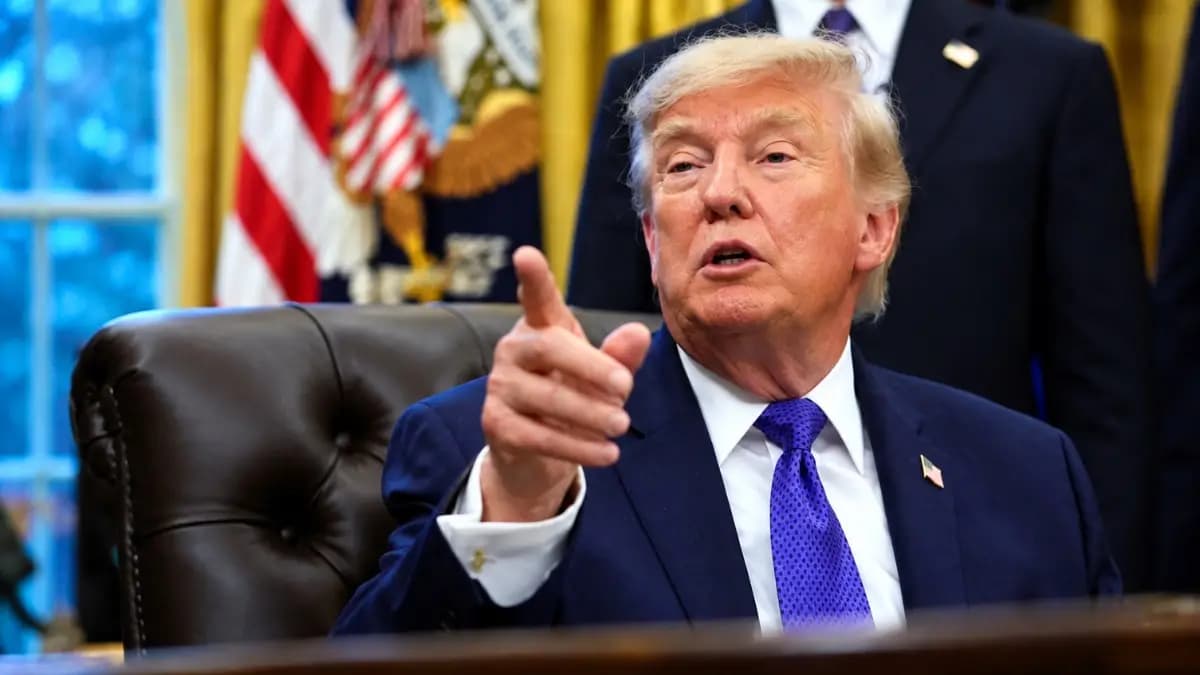
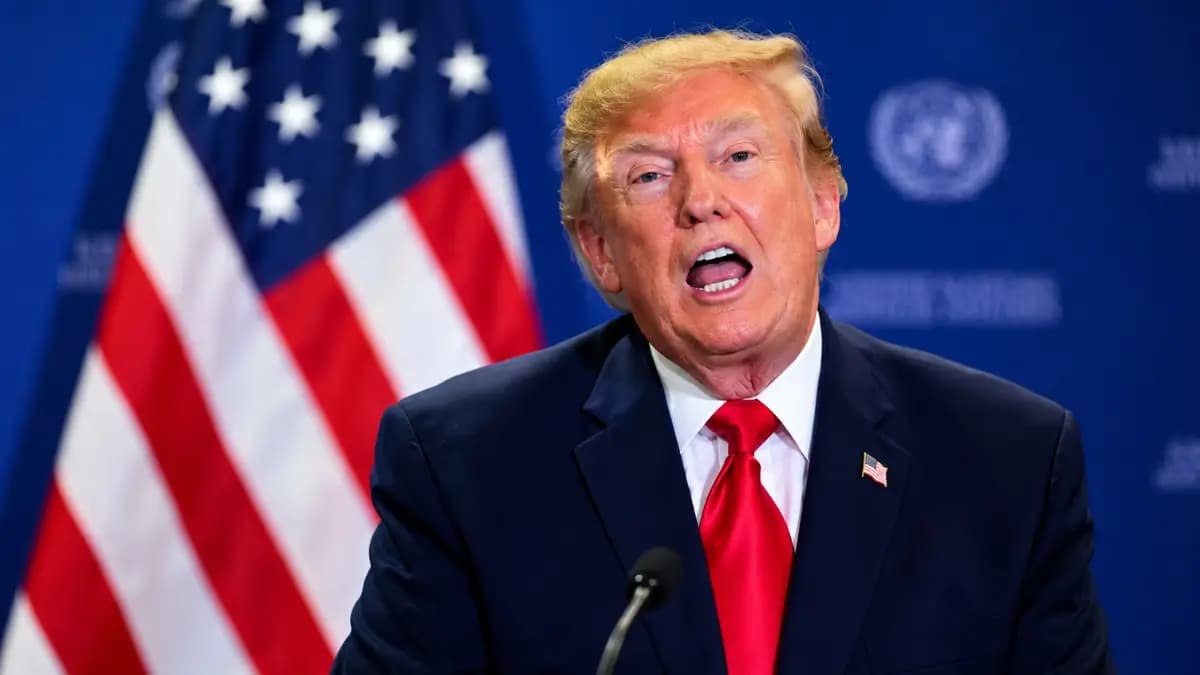
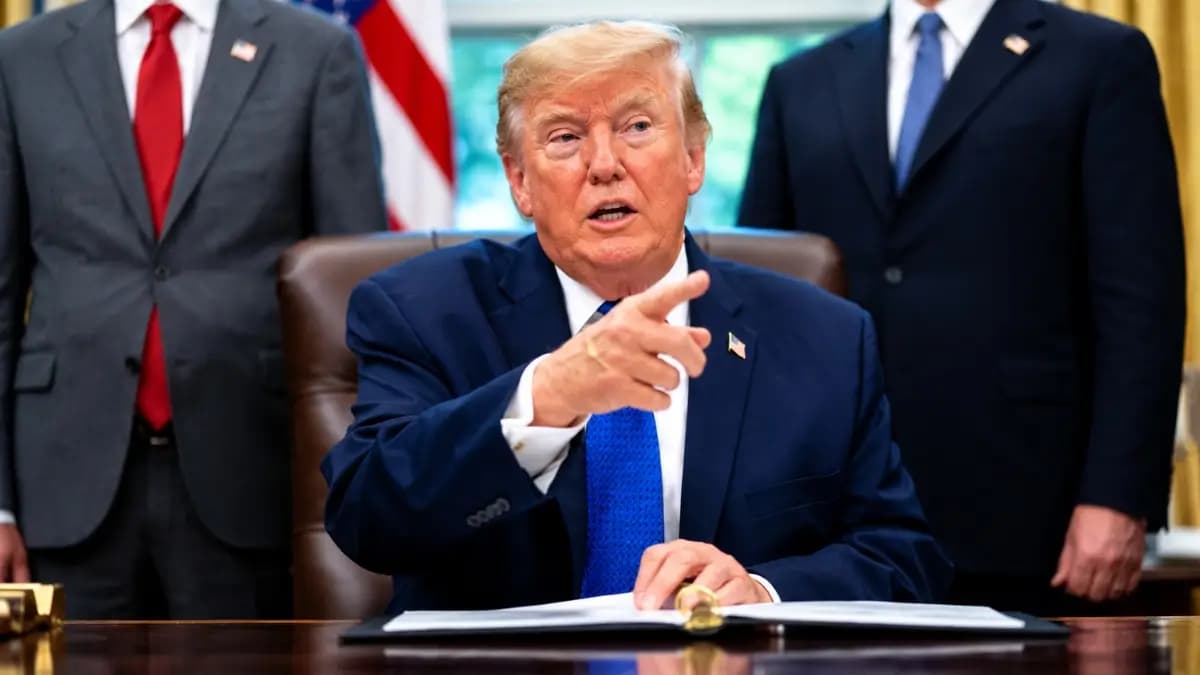
US President Donald Trump has announced a major oil deal with Venezuela that he says will give the United States control of more than 65 billion barrels of proven oil reserves and help boost investment in the South American country.
President Donald Trump’s announcement of a Venezuela oil deal is a major development in US-Venezuela relations, with Washington saying it has majority control of more than 65 billion barrels of proven reserves.
It was “the biggest oil deal in world history,” Donald Trump said in a statement on Truth Social on Aug. 29, 2026, adding it would greatly boost American energy security.
The deal would more than double U.S. oil reserves and help drive down fuel prices for consumers across the U.S. by increasing access to Venezuelan crude supplies, Trump said.
According to Donald Trump, Secretary of State Marco Rubio and Secretary of War Pete Hegseth worked with Venezuela’s Interim President Delcy Rodriguez and private-sector partners to lock down the deal.
The deal was done at no direct cost to American taxpayers and would bring long-term strategic benefits for the United States energy sector, the US president said.
Venezuela Oil Reserves Deal Signals Major Energy Shift
Venezuela Interim President Delcy Rodriguez welcomed the deal, saying it could bring in some $209 billion in revenue for the Venezuelan state treasury over time.
The announcement follows weeks of negotiations over access to Venezuelan oilfields and reassurances that any crude produced would be sent to American refineries and energy markets.
Sources in Caracas say they are preparing agreements under which several companies would be granted new rights to explore and produce oil, with American companies expected to play a prominent role.
Earlier reports indicated negotiators were considering a lease-style model under which select oilfields could be auctioned to US energy producers in long-term contracts.
But legal experts have warned that such a deal would run into legal and regulatory problems, considering that Venezuela has traditionally maintained state control over key functions of the oil industry.
The reported accord represents a major expansion of Washington’s role in Venezuela’s energy industry, which has long been plagued by years of sanctions, underinvestment and operational woes.
Venezuela has the world’s largest proven oil reserves but is producing only about 1.25 million barrels of oil per day, far below its estimated production potential.
Also Read: Ireland Unveils First National Strategy to Combat Money Laundering.
Marco Rubio Highlights Investment and Economic Benefits
Donald Trump, announcing the deal, did not provide details of the participating companies, the oilfields or the precise way in which majority control would be exercised.
The lack of detailed documentation has prompted analysts to question the ownership structures, regulatory structures, and the practical implementation of the reported arrangement.
It’s a good deal for both countries,” said Marco Rubio, a Republican senator from Florida. “This will give the United States a cheap and stable source of crude oil.”
Marco Rubio said more energy cooperation could help lower petrol prices in the US and help bolster long-term energy security goals.
Rubio said the deal could unlock as much as $100 billion in private investment for Venezuela that would help the economy recover and create thousands of better-paying jobs.
It was reported by Reuters and reviewed by Sprouts News, and if implemented as announced, could be one of the most significant energy partnerships in years.
What Comes Next for US-Venezuela Energy Relations
Attention now turns to the formal signing of exploration and production agreements expected in the coming days between Venezuelan authorities and participating companies.
Legal approvals, investment commitments and production targets will be closely watched by industry observers to see whether Donald Trump’s bold objectives can be met.
The result could shape global energy markets, reshape US-Venezuela relations and affect future investment strategies within Latin America’s oil-producing countries in the years ahead.