Elon Musk has said SpaceX could eventually operate Starship flights as frequently as once an hour within two to three years. The prediction follows Starship Flight 14, which carried the vehicle into orbit and deployed 26 Starlink V3 satellites. Musk’s projection remains an ambitious target rather than a demonstrated operational capability. SpaceX still needs to develop rapid turnaround procedures, launch infrastructure and reliable vehicle reuse at the required scale. Flight 14 also ended earlier than planned after one of Starship’s three engines shut down prematurely.
Elon Musk says SpaceX Starship could reach hourly flights within three years
Following the launch of Flight 14 into orbit and the deployment of 26 Starlink V3 satellites, Elon Musk says SpaceX could have hourly Starship launches within two to three years.
SpaceX Starship has successfully reached orbit for the first time, supporting Musk’s claim that the vehicle could someday launch as often as once per hour in two to three years.
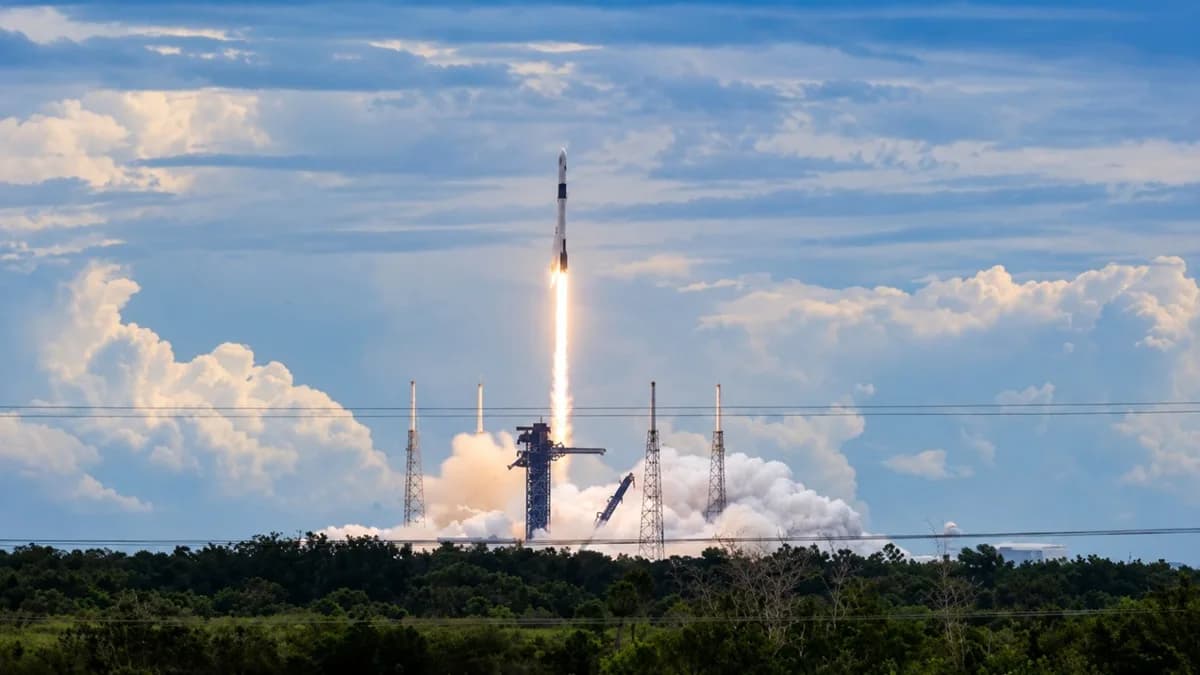
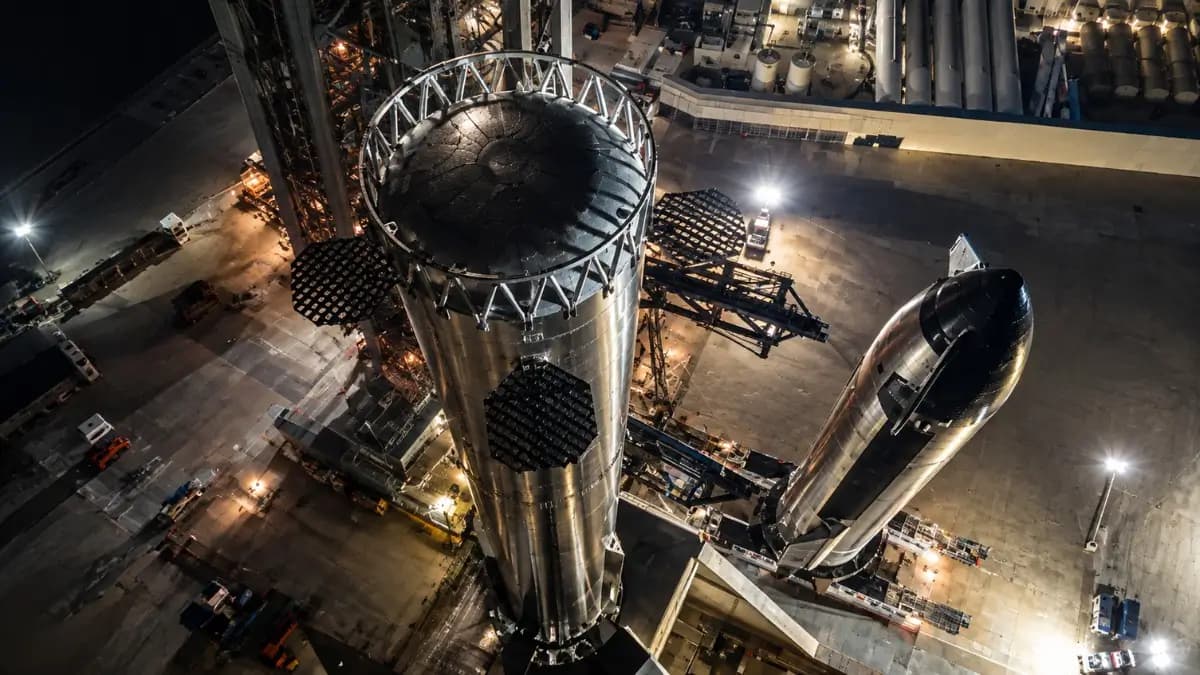
SpaceX pushed Starship toward routine operations on September 28, launching Flight 14 from Starbase in South Texas with the first load of Starlink V3 satellites.
The hourly-flight prediction came from Musk, who wrote on X in response to a conversation about turnaround time between Starship missions and what limits the number of launches in general.
His statement remains a goal for an aspirational future rather than a demonstrated capability; SpaceX is still developing the vehicles, launch infrastructure, and procedures needed for rapid, repeatable reuse.
The launch window for Flight 14 opens at 7:15 a.m. Central Time and lasts 75 minutes, with SpaceX planning to begin live coverage about 35 minutes before liftoff.
The mission then began an orbital insertion and deployed 26 Starlink V3 satellites, the first-ever orbital flight of Starship and the first-ever deployment of an operational payload commercially.
But the mission ended early when one of Starship's three main engines shut down prematurely, forcing engineers to terminate the flight early.
Flight 14 marks a major Starship milestone
The Super Heavy booster returned to the Gulf of Mexico, and Starship successfully deployed the satellites after reaching orbit, according to SpaceX.
SpaceX has marketed Starship as a satellite-launch platform, as it reduces Falcon 9 Starlink launches from Florida’s Cape Canaveral Space Force Station; Falcon 9 missions are still planned from Vandenberg.
The debate behind Musk’s prediction centred on whether the minimum interval between launches would be driven by propellant loading rather than vehicle preparation in practice overall.
Musk referred to a post by Herbert Ong saying Starship and Super Heavy had apparently been loaded with liquid oxygen and liquid methane in about 30 minutes.
That means fueling by itself may not determine launch cadence, as quicker operations would also require inspections, servicing, maintenance, infrastructure recovery, and quick access to the launch range.
SpaceX also needs to show that Starship and Super Heavy can fly multiple times with minimal refurbishment, a key requirement of any high-frequency reusable launch system.
Planned mission spacing shows just how far current operations are from Musk’s hourly goal, with Flight 15 scheduled allegedly for October 19 and Flight 16 allegedly for October 30.
That schedule would leave about 11 days between those missions, far more than the roughly 60-minute turnaround suggested by hourly Starship flights in normal operations.
Also Read: ED Raids former Bengal minister Indranil Sen, Others Over Alleged MassArt Fund Irregularities
Elon Musk’s longer-term Starship ambitions
SpaceX has said it hopes to one day carry out more than 30 Starship launches a day by 2030, which would mean about 10,000 a year.
Flight 14 also could try the first mid-air catch of the rocket, he added, though the mission eventually took a different trajectory and did not establish that capability.
Starship’s first orbital mission provides valuable operational data and demonstrates the technical challenges that remain, including propulsion performance, recovery processes and the preparation of launch infrastructure.
The program is key to SpaceX plans for deploying higher-capacity Starlink and future missions. NASA’s Artemis program also depends on Starship for its planned lunar exploration.
Musk’s hourly flight prediction is more of a hope than a fact right now, and whether Starship is capable of moving toward regular, fast reusability will be up to future missions.
Sprouts News will continue to cover Starship’s upcoming flights, launch cadence, Starlink deployments, and operational milestones as SpaceX moves from testing toward routine missions in the months to come.