US-Canada trade tensions have intensified after President Donald Trump threatened 50% tariffs on Canadian automobiles, trucks, auto parts, and steel beginning January 1, 2027. The announcement followed warnings from Canadian Prime Minister Mark Carney that Ottawa would respond to further US tariffs with equivalent measures. The dispute comes after trade negotiations between Washington and Ottawa broke down and new US tariffs on a wider range of Canadian products took effect. With hundreds of billions of dollars in annual bilateral goods trade, prolonged escalation could affect manufacturers, workers and consumers on both sides of the border.
US-Canada Trade War Fears Rise as Trump Threatens 50% Tariffs on Canadian Vehicles and Steel
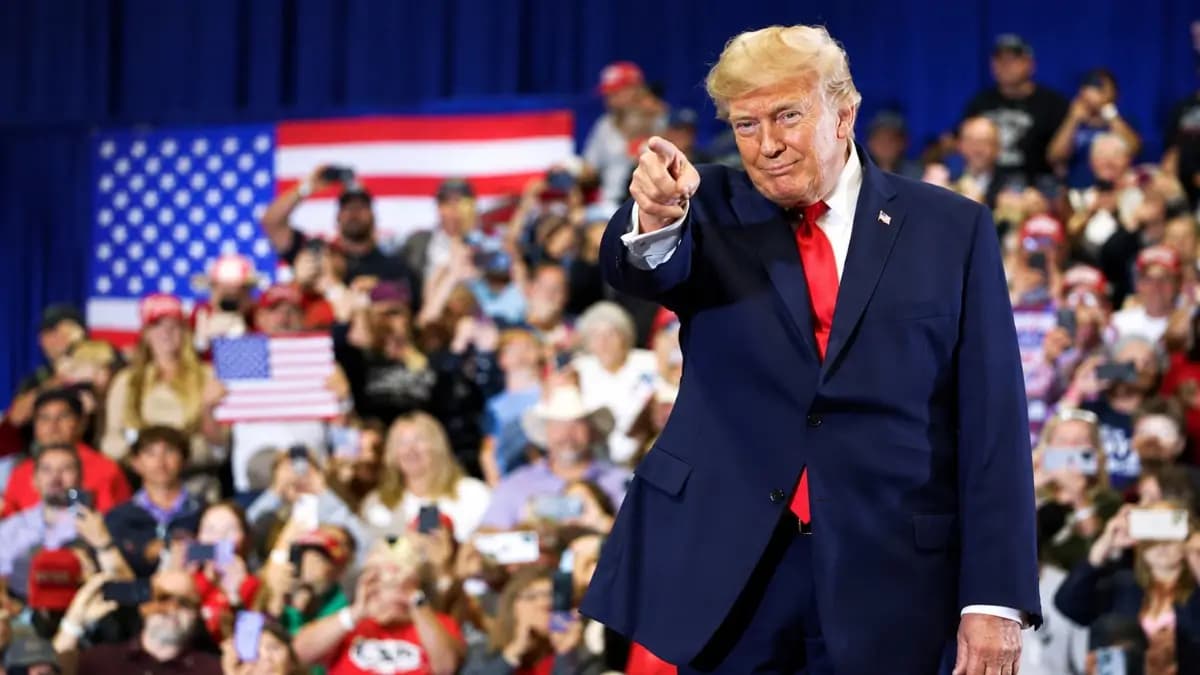
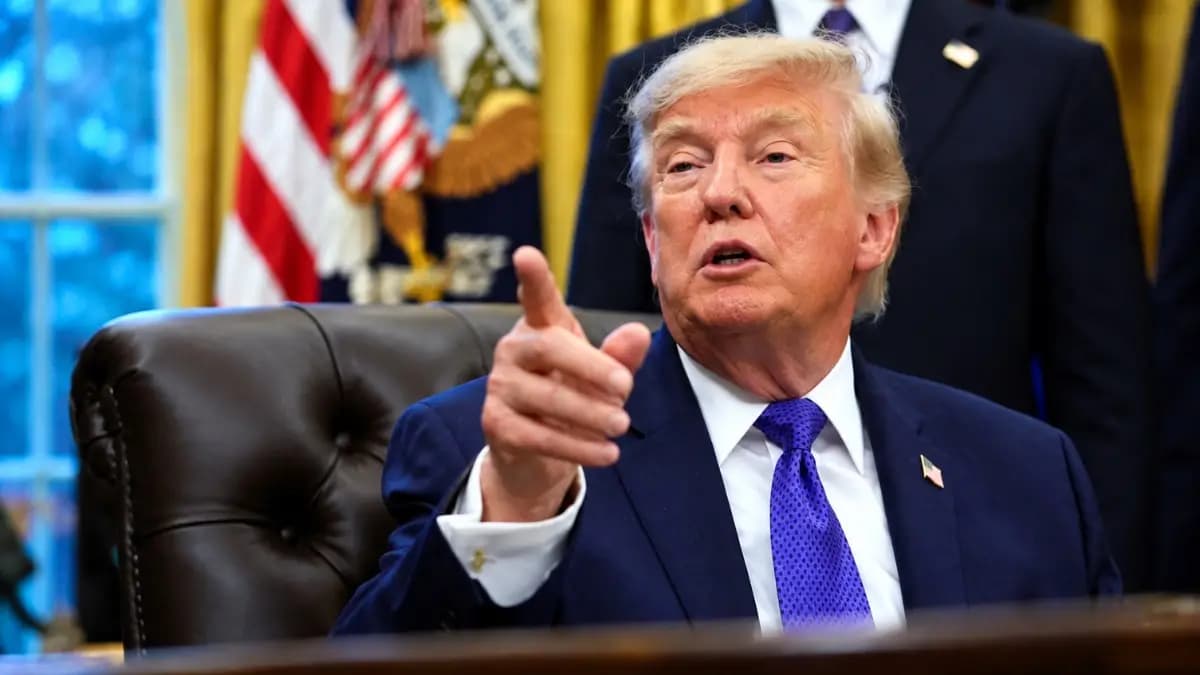
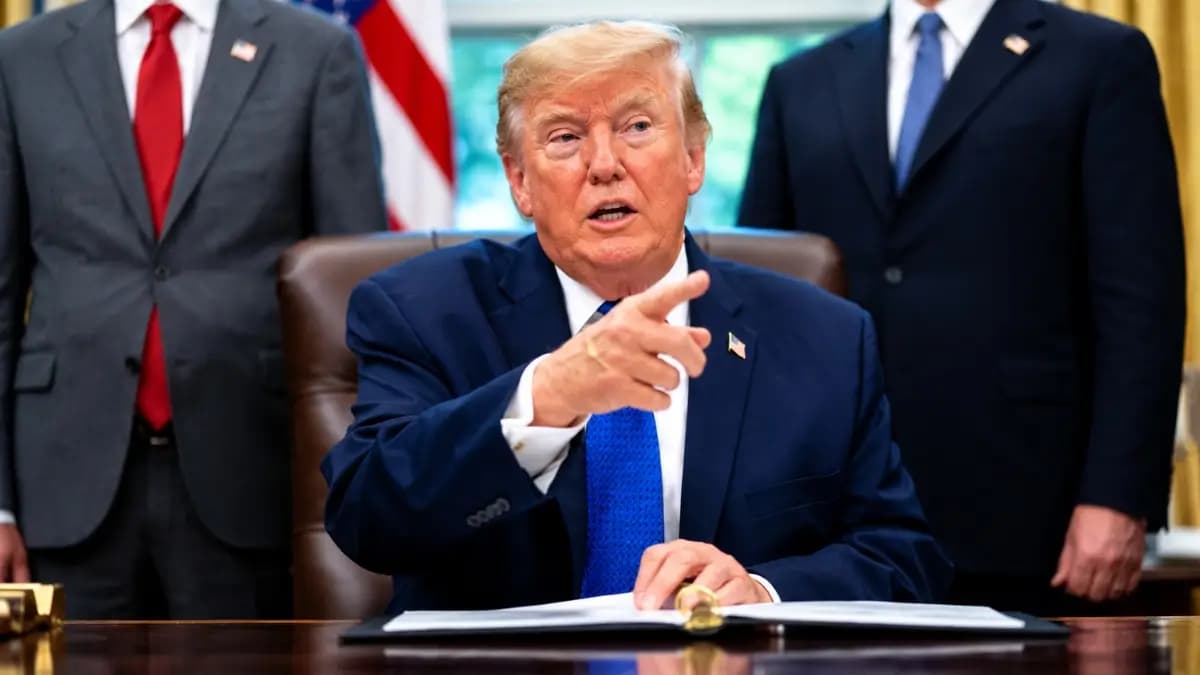
U.S. President Donald Trump announced he would impose 50% tariffs on Canadian cars, auto parts, trucks and steel from January 2027, ratcheting up trade tensions with Canada after Ottawa promised retaliatory measures.
The Trump Canada tariffs dispute intensified on August 24 after US President Donald Trump announced plans to impose 50 per cent tariffs on Canadian automobiles, trucks, automobile parts and steel starting on January 1, 2027.
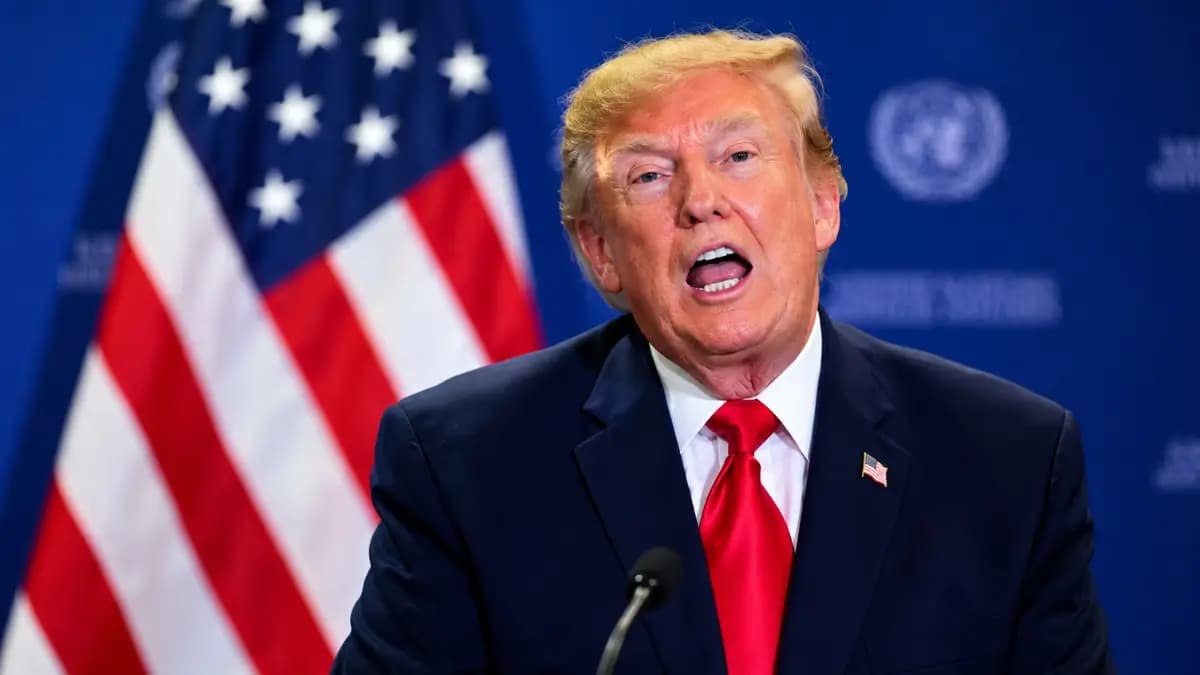
Trump’s announcement was made on his Truth Social platform, days after Canadian Prime Minister Mark Carney said Canada would respond in kind if the US imposed any further tariffs.
Canada had enjoyed unfair advantages in its trade relationship with the United States for years, Trump said. He called Canada one of the most difficult countries for the United States in dealing with trade issues.
Latest U.S. Census data shows Canada remains the third-largest source of U.S. imports. Bilateral trade matters. In 2025, more than $380 billion in goods crossed the U.S.-Canada border.
Trade Negotiations Collapse as New Tariffs Take Effect
The new tariff threat comes after a fresh round of U.S. tariffs on Canadian goods went into effect at 12:01 a.m. Saturday Eastern Time, after talks between Washington and Ottawa broke down.
Canadian negotiators pulled out of talks, Prime Minister Mark Carney said late Friday. He rejected the new proposals tabled by the United States as “uneconomic” and “unfair”.
Tariffs put in place Saturday hit a wide range of Canadian products, from hockey sticks to construction-type materials. The measures represented another escalation in a trade relationship that has been marred by repeated disruptions.
Carney said in comments on the dispute that Canada could not control outside economic forces coming from Washington. Ottawa would reciprocate the new tariffs dollar for dollar, he added.
Carney said the retaliatory measures are designed to shield Canadian workers, farmers, families and businesses from the economic fallout of the US actions and keep competitiveness in key sectors.
Also Read: US Removes Syria From Terror List After 47 Years, Opening Economic Door.
Mark Carney Signals Retaliation as Trade War Concerns Grow
Businesses and industry watchers have expressed concern about potential disruptions to integrated North American supply chains amid the prospect of 50 per cent tariffs on automobiles, vehicle components and steel.
The U.S. and Canada have one of the largest trading relationships in the world, especially in the automotive sector, where manufacturers depend on deep cross-border production and sourcing of components.
Before Trump’s announcement, US Trade Representative Jamieson Greer sought to downplay fears of the new tariffs. Speaking to CNBC, Greer argued that only a relatively small amount of trade was impacted.
Greer also dismissed suggestions that the measures amounted to a full-blown trade war between the two neighboring countries. But recent developments suggest that there are still disagreements over trade policy and access to markets.
The disagreement has become one of the most closely watched economic issues between Washington and Ottawa in recent months, according to various international media outlets monitored by Sprouts News.
Governments on both sides are considering further action, and analysts will be watching closely how manufacturers, exporters and investors respond. Higher tariffs as proposed could add to uncertainty facing auto and steel industries.
The timing is crucial, because the proposed measures would not come into effect until January 2027, which would leave room for renewed negotiations, policy adjustments or alternative trade arrangements between the two countries.
The tit-for-tat on tariffs, for now, highlights the growing tensions between the administration of Donald Trump and Mark Carney. How the dispute will develop further or toward resolution will probably be decided in future negotiations.
With billions of dollars in annual trade at stake, businesses on both sides of the border will be watching the developments closely. Sprouts News will watch for any major announcements and policy changes regarding the dispute.