US President Donald Trump has ordered federal agencies to refer to Lake Ontario as “Lake America” in US government records and the country’s geographic naming system. The directive does not compel Canada or international organizations to adopt the name. The move comes amid heightened US-Canada tensions over trade, including new US tariffs on Canadian goods and stalled negotiations. Trump has previously ordered the US government to use “Gulf of America” for the Gulf of Mexico, making the Lake Ontario directive part of a broader series of geographic naming changes.
Donald Trump Renames Lake Ontario as ‘Lake America’ in US Records Amid Growing Canada Trade Dispute
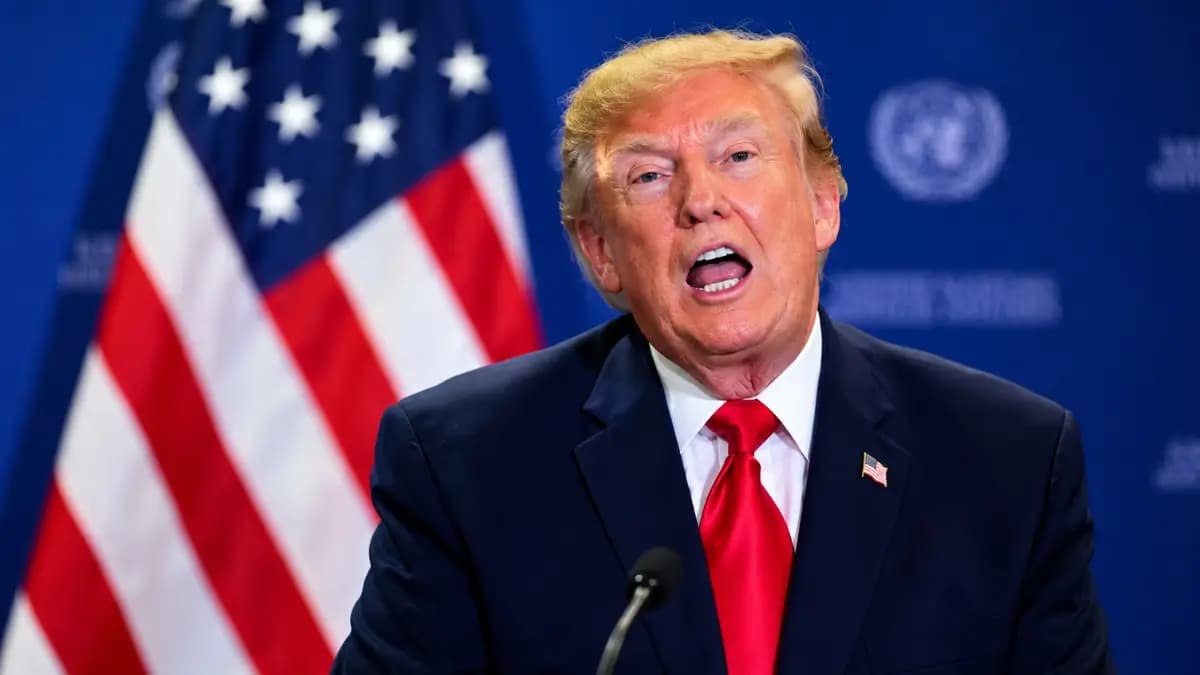
US President Donald Trump has ordered federal agencies to refer to Lake Ontario in the United States as “Lake America” as trade tensions between Washington and Ottawa escalate.
United States President Donald Trump signed an executive order for the US authorities to use the name for Lake Ontario, which became a new topic of debate in North America.
The order applies to the United States geographic naming system and to records of the federal government. But the directive does not empower Washington to require Canada or international organizations to make the change.
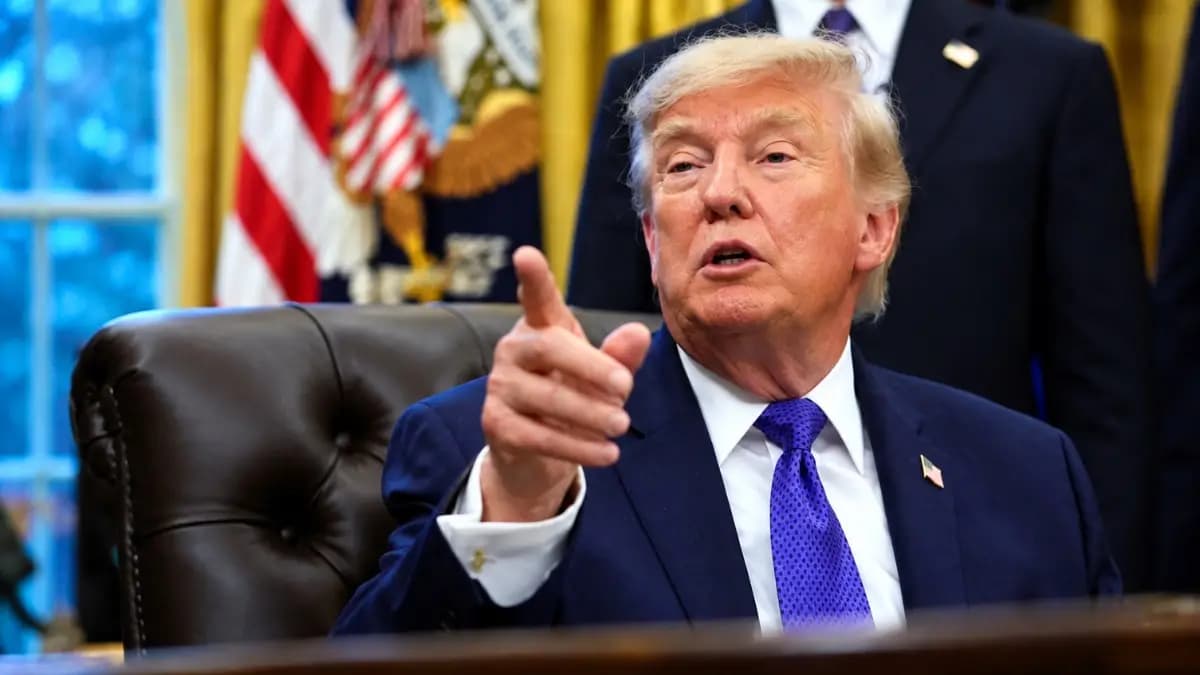
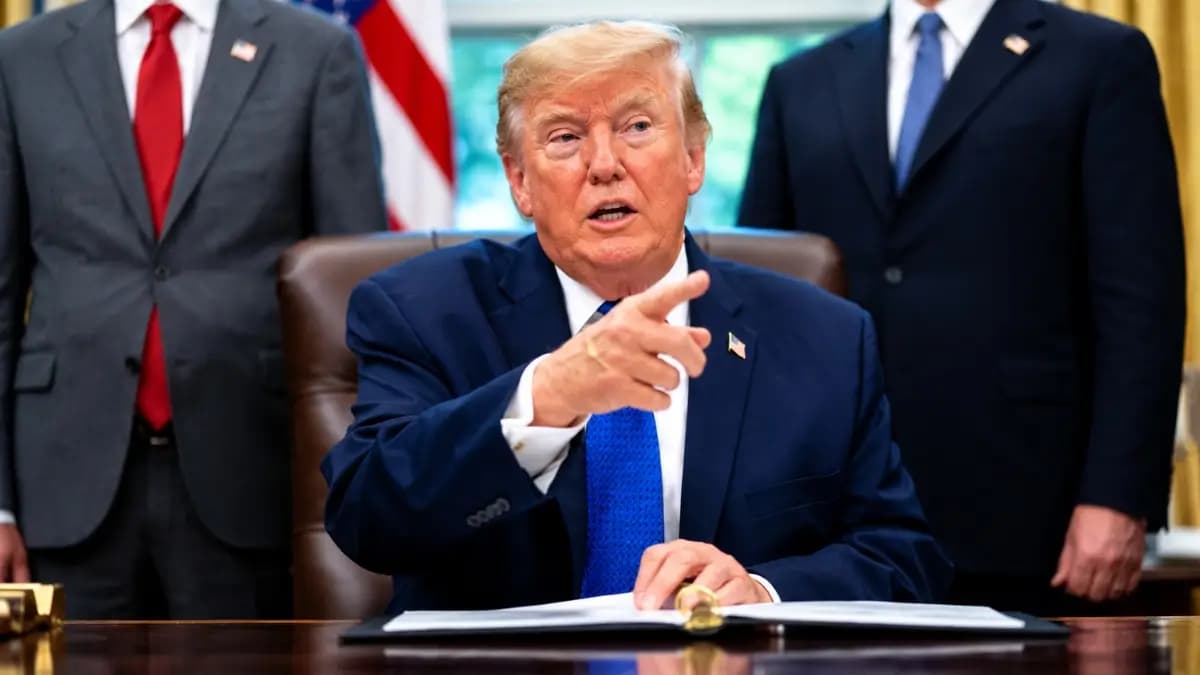
Donald Trump signed the executive order Thursday from the Resolute Desk in the Oval Office. The announcement showed a map of the Great Lakes, with the words "Lake America" splashed across Lake Ontario.
The move follows an earlier executive order by Donald Trump, who changed the name of the Gulf of Mexico to the “Gulf of America” for official use by the US government.
The move comes amid a period of increasingly strained relations between the United States and Canada, particularly over trade and economic policy disagreements, reports said.
Donald Trump said he had spoken to reporters and complained about Canada's trade stance. The US president reportedly said Canada has become difficult to negotiate with on economic matters.
In comments attributed to him, Donald Trump said Canada appeared to act entitled in trade talks and called the country one of the toughest partners for negotiations.
Lake America Order Adds to Wider US-Canada Disagreements
The decision to change the name comes as a trade dispute between Washington and Ottawa escalates. Apparently, the two countries failed to clinch a breakthrough deal during recent negotiations.
With negotiations breaking down, the US announced tariffs of 50 per cent on some $20 billion of Canadian goods, further inflaming economic tensions.
Canada and the United States share one of the world’s largest bilateral trading relationships. The two countries have traditionally had close economic, political and security ties.
Since his return to the White House, Donald Trump has repeatedly attacked Canada over trade issues and more general policy issues. His comments have been grabbing attention on both sides of the border.
The US president has also revived suggestions that Canada could become the 51st state of the United States, a proposal Canadian leaders have repeatedly rejected.
The new order of names is part of a wider pattern of symbolic gestures amid ongoing policy disputes between the two neighbors, analysts say, Sprouts News reported.
Also Read: Visa and Mastercard Launch International Card Payments in Syria.
Importance of Lake Ontario and Historical Significance
Lake Ontario is one of the five Great Lakes and is shared by the US and Canada. Some parts of the lake are on the international border.
New York State is on the south shore of the lake, and the Canadian province of Ontario is on the north. It divides Buffalo from Toronto, Canada's biggest city.
Ontario is Canada's most populous province and a major economic hub. It is also the biggest export market for more than a dozen American states.
Ontario’s name has deep Indigenous roots. Historians have linked the name to the Huron word “oniatarí,” which means “lake of shining waters.”
The lake was called by the Ontario name before the Europeans came to the area. The province shared the name with the historic body of water.
Experts say a change in a geographic name within one country does not automatically alter international usage. Other governments may decide to continue to use their own recognized designations.
International Naming Standards and What Happens Next
There is no single worldwide authority with universal power to decide the names of international lakes, seas, rivers or other shared waterways.
The International Hydrographic Organization is a group that includes the United States and Canada that strives to promote consistent surveying and charting of the world’s navigable waters.
While the organization assists in coordinating standards for mapping and maritime navigation, international acceptance of geographic names is often dependent on broad governmental and institutional consensus.
Under Donald Trump’s executive order, United States federal authorities will use “Lake America” for now, while Canada continues to recognize the historic name Lake Ontario.
The development is expected to remain a subject of diplomatic discussion as trade disputes and broader policy disagreements continue shaping relations between Washington and Ottawa.