The BRICS Summit in Delhi is set to bring together leaders from the expanded grouping as India navigates competing geopolitical and economic interests. Talks are expected to cover US tariffs, the Iran war, de-dollarisation, financial cooperation and reforms to global institutions. Prime Minister Narendra Modi’s meetings with Russian President Vladimir Putin and Chinese President Xi Jinping will add significance to the summit. India is also balancing its BRICS role with efforts to strengthen ties with Washington, making consensus on sensitive geopolitical issues a key diplomatic challenge.
BRICS Summit in Delhi Faces Trump Test as Modi Meets Putin and Xi
Expanded BRICS summit in India to be dominated by Donald Trump’s policies, Iran war, tariffs, de-dollarisation, global governance.
The BRICS summit in Delhi will be attended by India, China, Russia, Brazil, South Africa, the UAE and Iran – with Saudi Arabia invited as a member of the group.
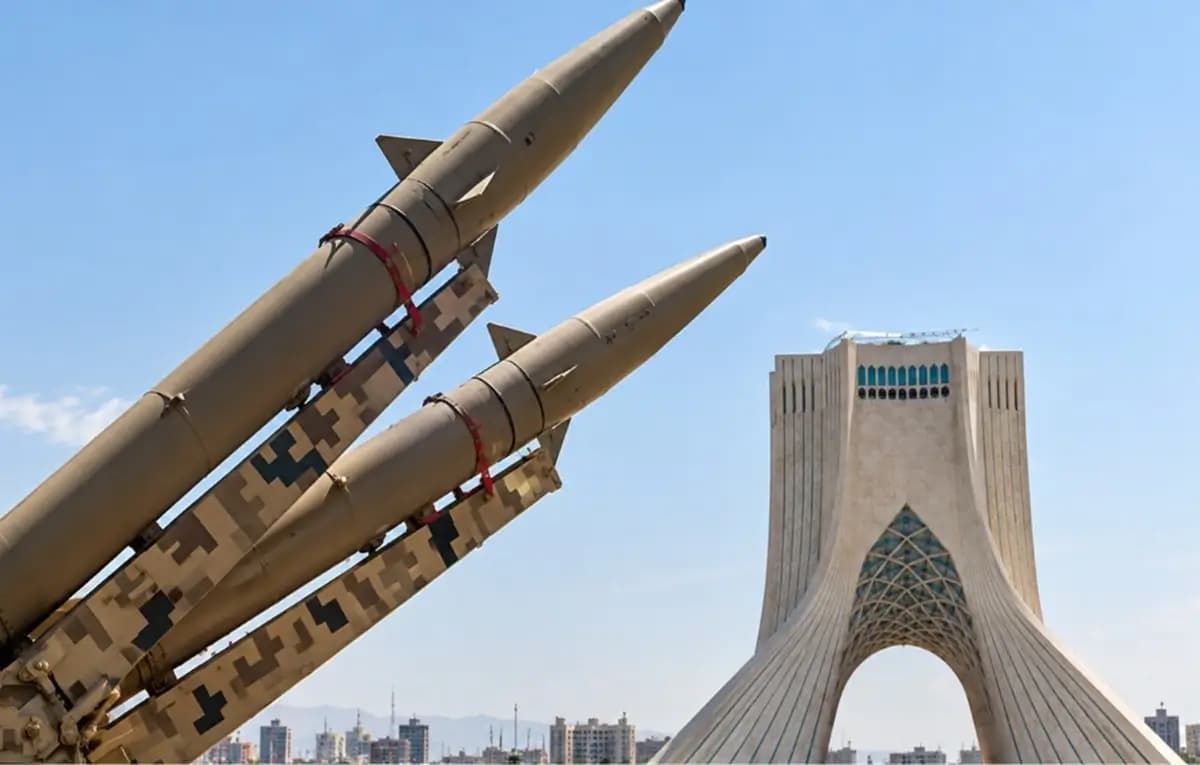
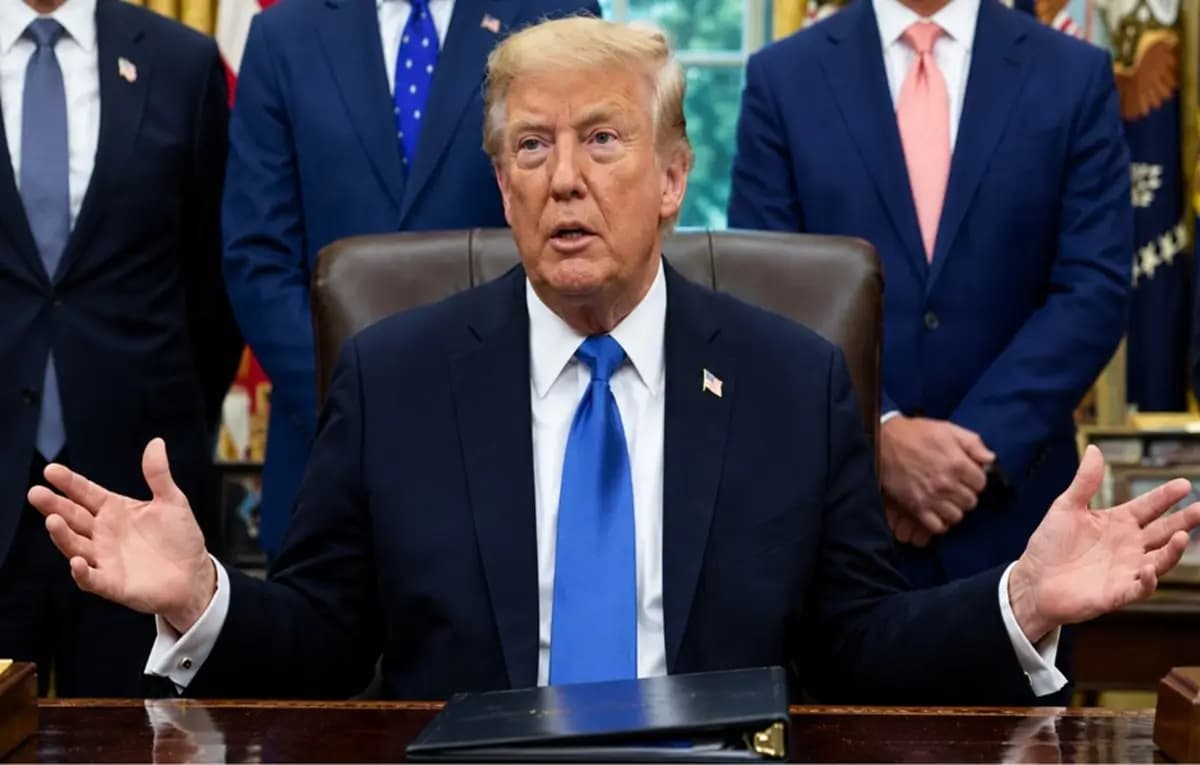
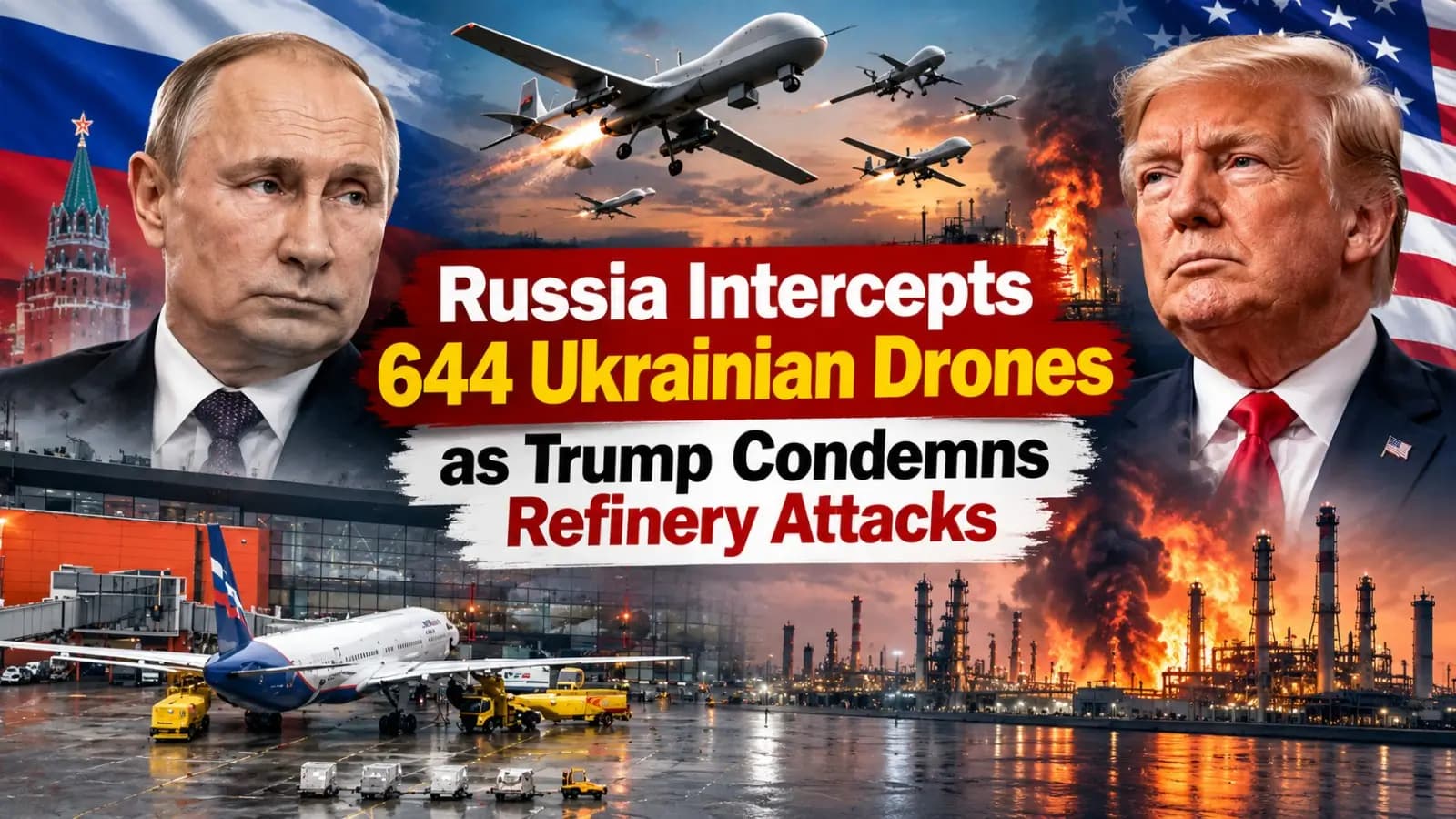
The United States is not a member of BRICS, but President Donald Trump's policies are likely to be a feature of talks, especially regarding tariffs, Iran, energy markets and de-dollarisation fears.
On the agenda for the leaders at the weekend summit are geopolitical tensions, financial cooperation and global governance, but they are expected to steer clear of language that would lead to a direct confrontation with Washington.
New Delhi is said to be on the verge of a trade deal with the United States and is seeking more cooperation in BRICS, leaving India with a delicate balancing act on its hands.
"India could not afford to sign up to a joint statement explicitly attacking Washington," Michael Kugelman, a senior fellow at the Atlantic Council, told the BBC.
He expects criticism of US policy to remain vague and indirect because Russia, Iran, China, India and Gulf members have sharply different strategic interests within the expanded group.
While Russia and Iran may want to see Trump face tougher criticism, the United Arab Emirates is unlikely to back language that helps Tehran after the Iranian attacks there.
The presence of US military bases in the UAE gives its strategic calculations a different flavour from those of Russia and Iran in the current regional crisis.
Trump’s Tariff Threat Puts De-Dollarisation Under Scrutiny
Trump has criticised BRICS attempts to reduce reliance on the US dollar and warned members against creating alternatives to the dollar’s role in international trade.
In November 2024, Trump warned that BRICS countries supporting another currency to replace the dollar could be hit with 100% tariffs, putting pressure on the summit in Delhi.
But in the face of tensions, BRICS has grown economically, accounting for 49% of the world’s population, 40% of global GDP and 26% of international trade, analysis by BBC Monitoring finds.
The grouping’s most concrete achievement is its New Development Bank, which has approved billions of dollars for infrastructure and development projects in countries across the global south.
Members also agreed on a $100bn contingency reserve arrangement to help countries hit by financial crises, although the mechanism has not been tested by members.
Cross-border payments in local currencies are expected to be of interest, especially to Moscow and Tehran, which are subject to heavy US sanctions and financial restrictions.
BRICS members are also expected to call for reforms at the United Nations, International Monetary Fund and World Bank, institutions that developing nations say do not adequately represent the current world order.
Also Read: Hero Glamour X ABS Debuts With Single-Channel ABS in 125cc Segment
India’s Global South Ambitions Face a Tough Diplomatic Test
The summit offers India a chance to assert its claim as a leader and a voice of the Global South, while also pushing for multilateralism and multipolarity.
Compared to China, India’s efforts to build influence in Africa and Latin America had met with limited success, creating challenges and opportunities for New Delhi, Kugelman said.
India could use the expanded grouping to deepen relations with Ethiopia, Brazil and Indonesia, while showing that BRICS can offer practical alternatives to established global institutions.
The first diplomatic challenge will be a consensus statement, especially as BRICS foreign ministers failed to agree on one in May with disagreements over the Iran war.
Instead, India issued a chair’s summary that noted the difficulty of reconciling differing positions on the conflict, relations with Washington and the future of global trade.
New Delhi may find solace in its G20 presidency in 2023, when the country managed to get a joint declaration despite divisions over Russia’s war in Ukraine and geopolitical tensions.
Modi, Xi and Putin Meetings Add Bilateral Stakes
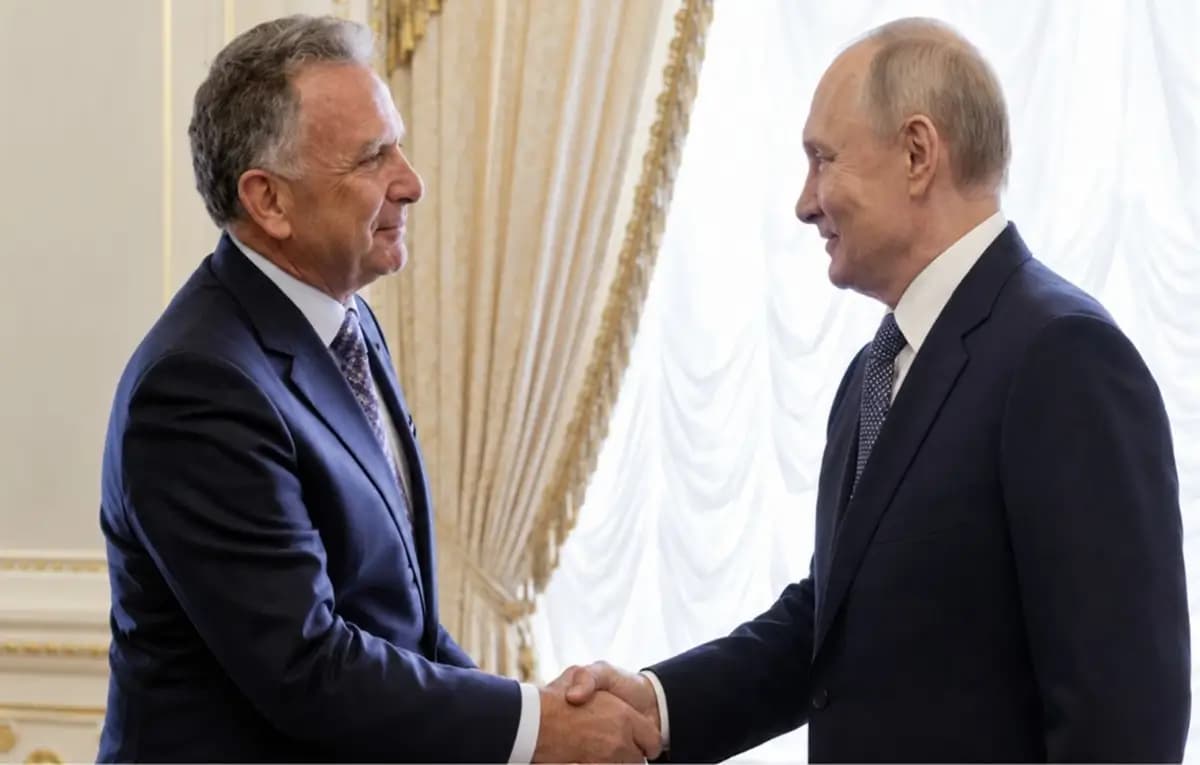
Bilateral meetings will add significance, including Narendra Modi’s meeting with Chinese President Xi Jinping on Saturday and his expected talks with Russian President Vladimir Putin.
Modi and Xi will probably talk about improving India-China relations, while Modi and Putin will likely discuss Ukraine and India’s increasing trade deficit.
Prime Minister Narendra Modi recently called for peace publicly at a meeting with President Vladimir Putin at the Shanghai Cooperation Organisation summit in Bishkek, comments that Russia later publicly welcomed.
Thousands of security personnel have been deployed across Delhi as leaders arrive, reflecting the summit’s importance and the logistical demands of hosting major international delegations.
Ultimately, the Delhi meeting will test whether BRICS can convert its growing economic weight into practical cooperation while maintaining unity despite competing national interests.
For India, a successful summit would offer more than a diplomatic outcome, providing an opportunity to reinforce its Global South credentials and broader international leadership, Sprouts News reports.