China has achieved a significant milestone in reusable rocket technology after LandSpace successfully recovered the first-stage booster of its Zhuque-3 rocket following an orbital mission. The development adds a second successful orbital recovery approach to China’s space programme and strengthens its position in the global commercial launch sector. Zhuque-3 uses controlled descent and landing technology similar in principle to other reusable launch systems. The achievement could help lower launch costs, increase launch frequency and accelerate competition in the rapidly developing reusable rocket industry.
China Becomes First Country to Unlock Two Successful Orbital Rocket Recovery Methods
After LandSpace’s Zhuque-3 launched an orbital mission and China successfully recovered its first-stage booster, China has become the first country to recover orbital launch rockets successfully using two different technological approaches.
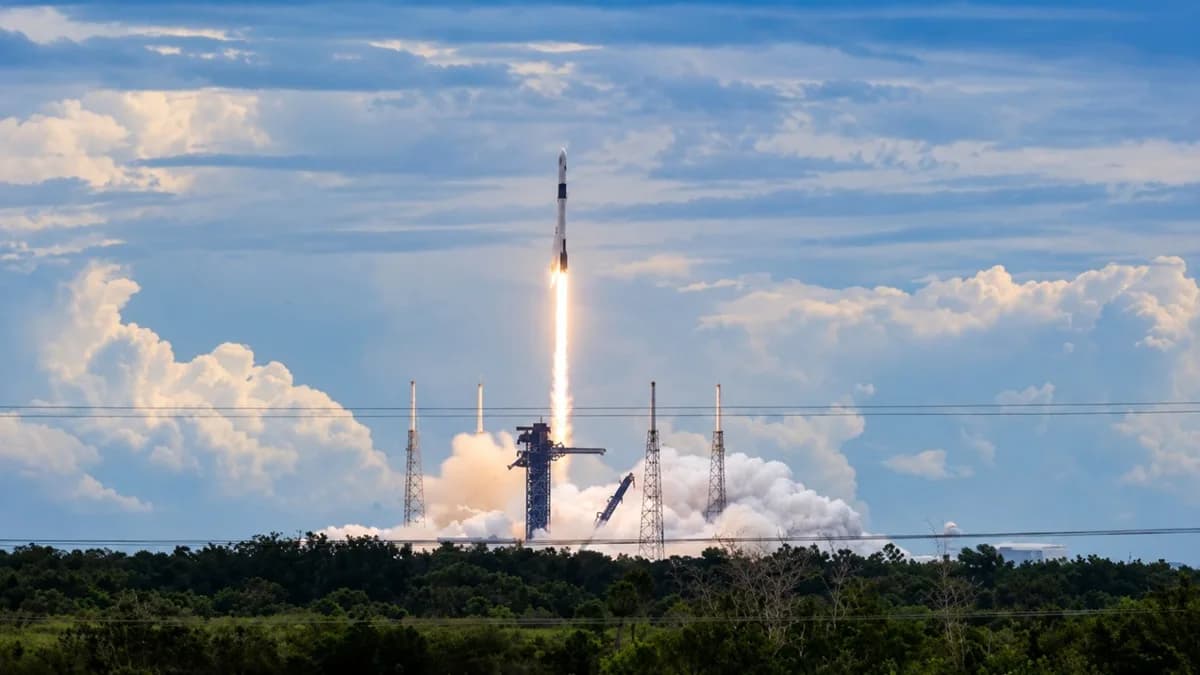
China’s reusable rocket technology has taken a big leap forward with commercial launch firm LandSpace successfully recovering the first stage booster of its Zhuque-3 rocket after an orbital launch mission.
The achievement is a major step forward in China’s efforts to cut launch costs with reusable rocket systems and to boost competition in the fast-developing global commercial space sector.
Zhuque-3 is reported to be China’s first commercial rocket to successfully reach orbit and recover its first stage, putting LandSpace in an elite group of organizations.
The achievement also marks China as the first country to show successful orbital recovery launch by two different technological routes, a feat still unaccomplished by the U.S.
Reusable launch systems are an integral part of future space operations as they cut production costs considerably and enable more frequent launches in the long run, industry observers say.
LandSpace joins a small group of reusable rocket pioneers
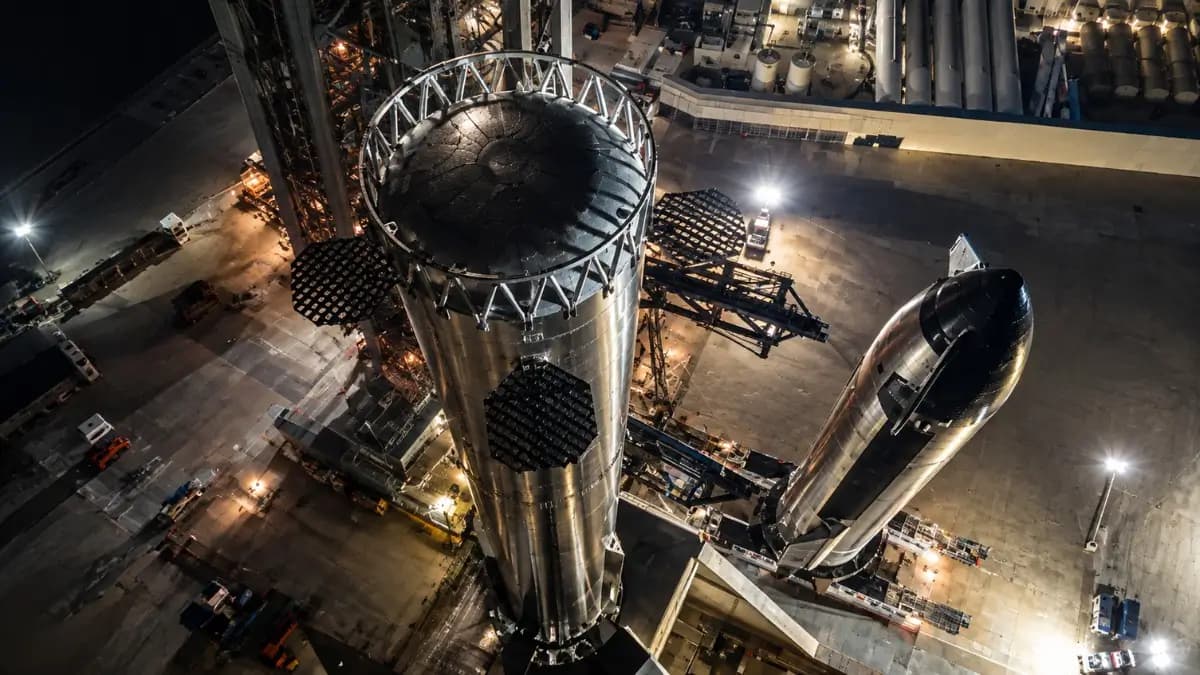
Chinese commercial aerospace firm LandSpace recovered a stainless steel booster after its mission into orbit, in what has been described as a world first for this style of rocket design.
Most of the reusable boosters used in orbital launch recovery missions before were made of aluminum alloys. This can lead to higher development costs because of the design complexity and the material costs.
With this achievement, the company joins the ranks of SpaceX, Blue Origin, and the China Aerospace Science and Technology Corporation (CASC), all of which have demonstrated controlled recovery capabilities after orbital launches.
Zhuque-3, like SpaceX’s Falcon 9 rocket and Blue Origin’s New Glenn vehicle, uses landing legs to allow controlled descent and recovery after its main launch functions are complete.
The recovery reflects a growing competition in the commercial space industry, where reusable launch systems are viewed as ever-more critical to support satellite deployment and future exploratory missions.
Experts say recovering and reusing rocket stages can dramatically cut the cost of missions and improve operational efficiency for commercial and government-backed programs.
Also Read: Mukesh Gaurav Samiti Set Up Ahead of Singer’s 50th Death Anniversary.
Related News: SpaceX Marks 100th 2026 Mission With 24 Starlink Satellites in Orbit.
China’s dual-track recovery strategy sets a new benchmark
Weeks after another notable Chinese recovery success achieved using a completely different technological approach developed by the China Aerospace Science and Technology Corporation, comes the Zhuque-3 mission.
Meanwhile, in July, CASC reportedly recovered the first stage of its Long March 10B rocket using a sea-based net capture system rather than landing legs.
China’s success in developing both landing-leg and net-capture recovery techniques has allowed it to build a dual-track reusable rocket strategy that industry analysts call a major engineering feat.
The U.S. has led the way in modern reusable rocket technology with companies like SpaceX and Blue Origin, but the recovery of orbital launches has largely depended on vertical landing systems.
The development of multiple recovery methods can provide additional operational flexibility for future missions, allowing launch providers to choose methods based on mission requirements and infrastructure availability.
Aerospace observers say diversified recovery technologies could also expand options for increasingly complex launch schedules in coming years, and reduce risks.
LandSpace’s Zhuque-3 success is another key milestone in China’s wider aspirations to cement its place in the international launch market as commercial space activity continues to ramp up around the world.
The mission underscores the accelerating pace of innovation in reusable rocket development for the aerospace industry worldwide. In the view of Sprouts News, further demonstrations and operational missions will clarify how these technologies will affect the future economics of space access.