NASA’s Nancy Grace Roman Space Telescope has received final launch clearance following a successful Launch Readiness Review with SpaceX at Kennedy Space Center. The mission is targeting liftoff at 7:26 a.m. EDT on Aug. 30 from Launch Complex 39A aboard a Falcon Heavy rocket. The review examined the launch vehicle, spacecraft, weather, ground infrastructure, and support teams. The U.S. Space Force’s weather squadron currently forecasts a 60% chance of favorable conditions during the planned launch window.
NASA Roman Space Telescope Launch Cleared as SpaceX Falcon Heavy Receives Final Go-Ahead
NASA's Nancy Grace Roman Space Telescope is ready to launch after a successful Launch Readiness Review, with liftoff aboard a SpaceX Falcon Heavy rocket targeted from Kennedy Space Center on Aug. 30.
NASA’s Nancy Grace Roman Space Telescope has received the official launch go following a successful Launch Readiness Review between the agency and SpaceX at NASA’s Kennedy Space Center in Florida on Friday.
The review is the last major milestone before the launch countdown starts, confirming the Falcon Heavy rocket, Roman observatory, weather conditions, and support teams are ready to go.
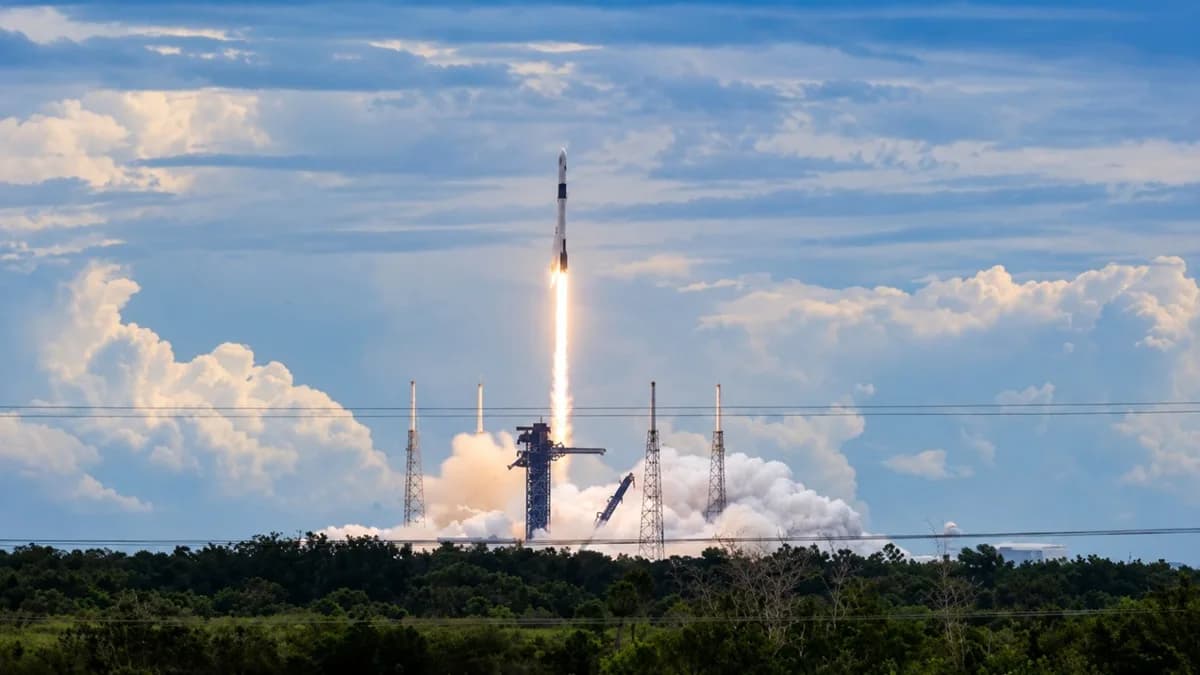
NASA is targeting a 7:26 a.m. EDT launch Sunday, Aug. 30, from Kennedy Space Center’s Launch Complex 39A, one of the agency’s most historic launch sites.
Forecasters with the U.S. Space Force’s Space Launch Delta 45 Weather Squadron predict a 60% chance of favorable weather conditions during the planned launch window.
The mission will launch the Nancy Grace Roman Space Telescope into space on a SpaceX Falcon Heavy rocket, boosting NASA’s ability to explore some of the universe’s biggest mysteries.
Launch Readiness Review Confirms Falcon Heavy and Roman Observatory Prepared
NASA states the Launch Readiness Review is the last check before the official countdown starts and confirms all key mission systems are ready to go.
The review covered the Falcon Heavy launch vehicle’s health and performance, the Roman Space Telescope, weather forecasts, ground infrastructure, and operational support teams for the mission.
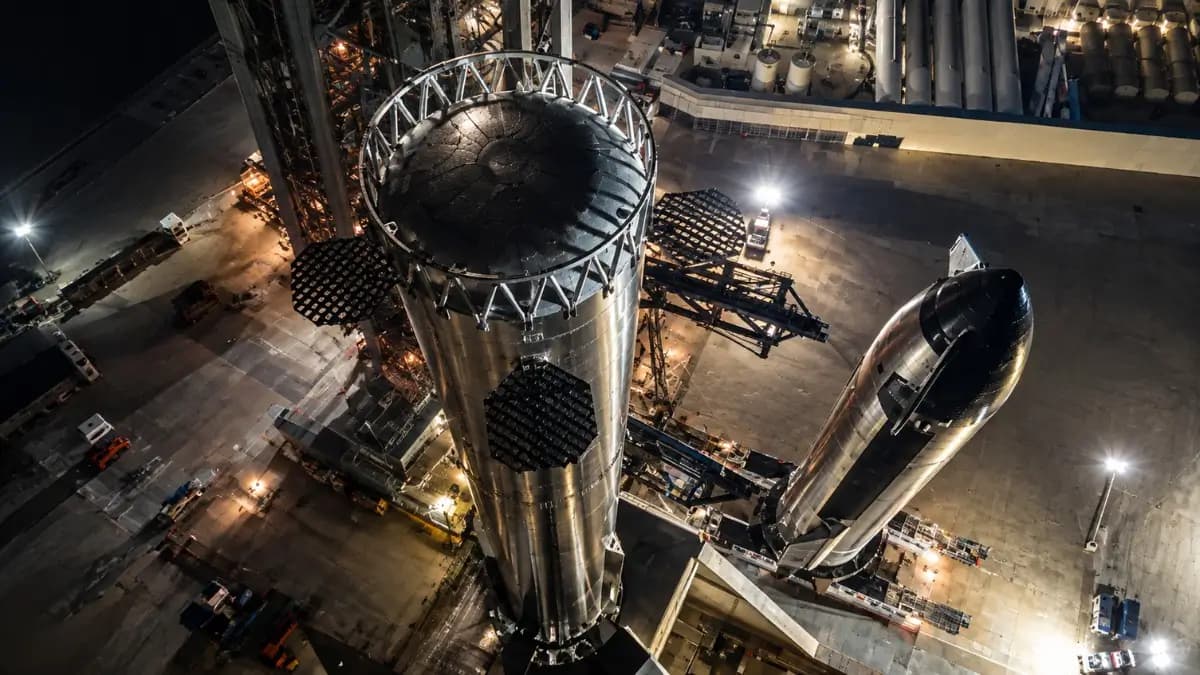
Images released ahead of the launch showed teams were still preparing the Falcon Heavy rocket inside the SpaceX hangar at Launch Complex 39A in Florida.
The focus remains on ensuring the launch system and spacecraft are ready for a safe and successful mission, a SpaceX spokesperson said.
The upcoming mission is also a testament to the ongoing partnership between NASA and SpaceX, which has been vital to many important science and exploration programs in recent years.
It will be NASA’s sixth primary mission to launch on a Falcon rocket and from Kennedy Space Center, highlighting the growing role of commercial launch providers.
Other key NASA missions launched via the partnership include the Imaging X-ray Polarimetry Explorer (IXPE), Psyche, NOAA’s GOES-U, Europa Clipper, and the Interstellar Mapping and Acceleration Probe (IMAP).
Also Read: Ola S1Z Electric Scooter Launched at ₹79,999 With Bharat Cell and 301 km Range.
Roman Space Telescope Expected to Advance Dark Energy and Exoplanet Research
“The focus remains on getting the launch system and spacecraft ready for a safe and successful mission,” a SpaceX spokesperson told Space.com.
The upcoming mission also demonstrates the continuing collaboration between NASA and SpaceX, which has played a key role in many major science and exploration programs in recent years.
It will be NASA’s sixth primary mission to launch on a Falcon rocket and from Kennedy Space Center, emphasizing the expanding role of commercial launch providers.
Other major NASA missions launched through the partnership include the Imaging X-ray Polarimetry Explorer (IXPE), Psyche, NOAA’s GOES-U, Europa Clipper and the Interstellar Mapping and Acceleration Probe (IMAP).
Roman will also help advance the investigation of black holes and other extreme astrophysical phenomena, broadening our understanding of some of the most powerful objects in the universe.
One of the defining features of the mission is its capacity to generate huge scientific datasets that will be shared widely with researchers and the public, reported Sprouts News.
The telescope's observations may influence astronomy research for decades to come, answering fundamental questions about the universe's origin, composition, and future.
Now, NASA and SpaceX are working toward a successful liftoff on Aug. 30. Preparations for the launch are in their final stages, with weather conditions being monitored closely.
If successful, the Nancy Grace Roman Space Telescope will usher in a new era of space exploration with data that could revolutionize our scientific understanding of the universe.