US President Donald Trump has signed a temporary government funding bill, averting an immediate federal shutdown and extending funding through December 11. The Continuing Appropriations and Extensions Act, 2027, received broad bipartisan backing, passing the Senate 90-6 and the House 370-48 before reaching the White House. The measure keeps federal agencies operating beyond the September 30 funding deadline and through the November midterm elections. However, it only postpones the larger budget dispute, leaving lawmakers with several weeks to negotiate longer-term spending legislation before the new deadline.
Trump Signs Stopgap Funding Bill, Averting US Government Shutdown Until December
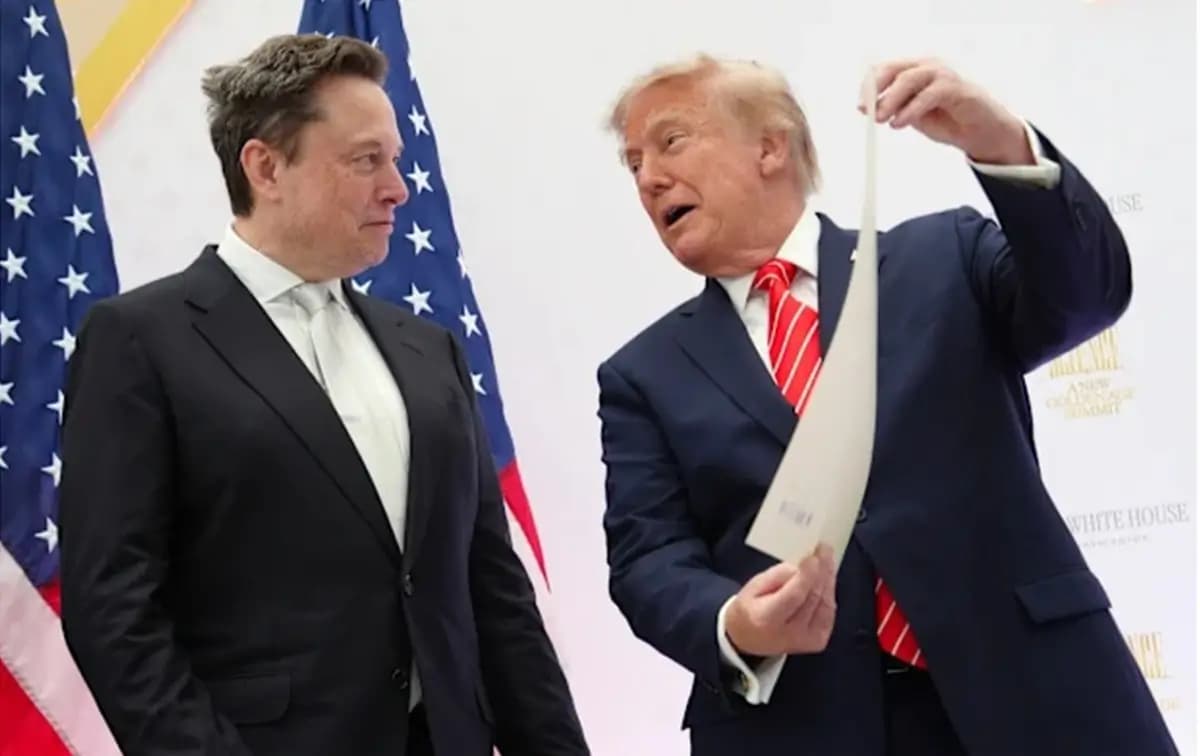
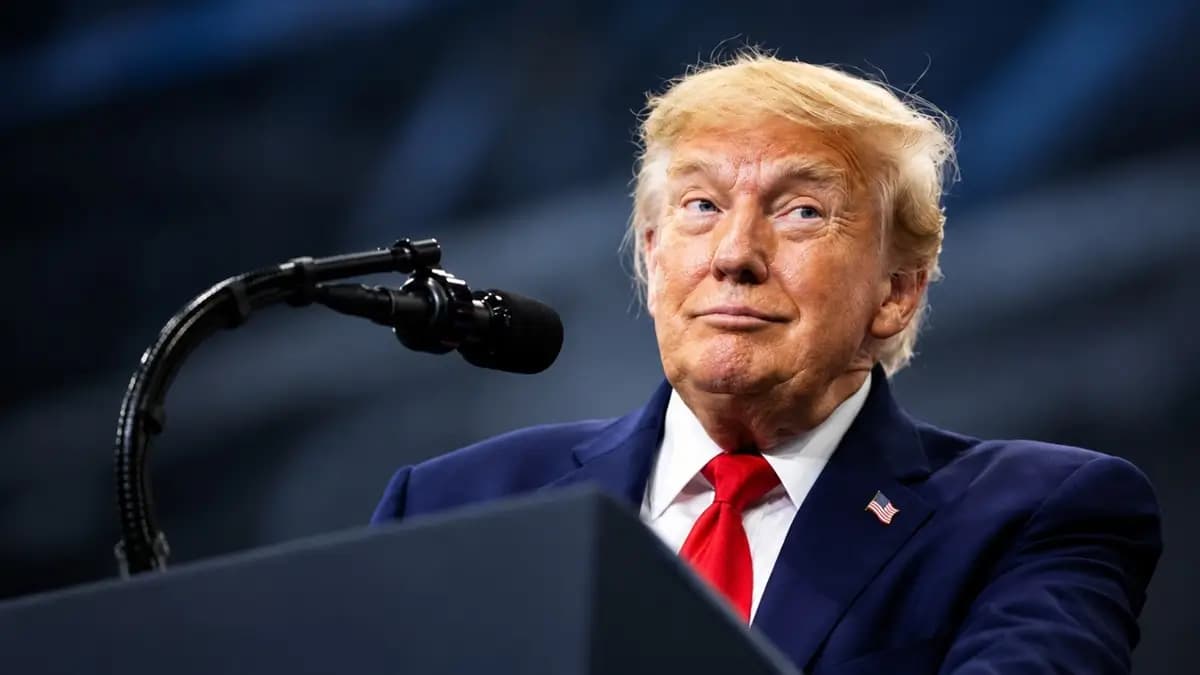
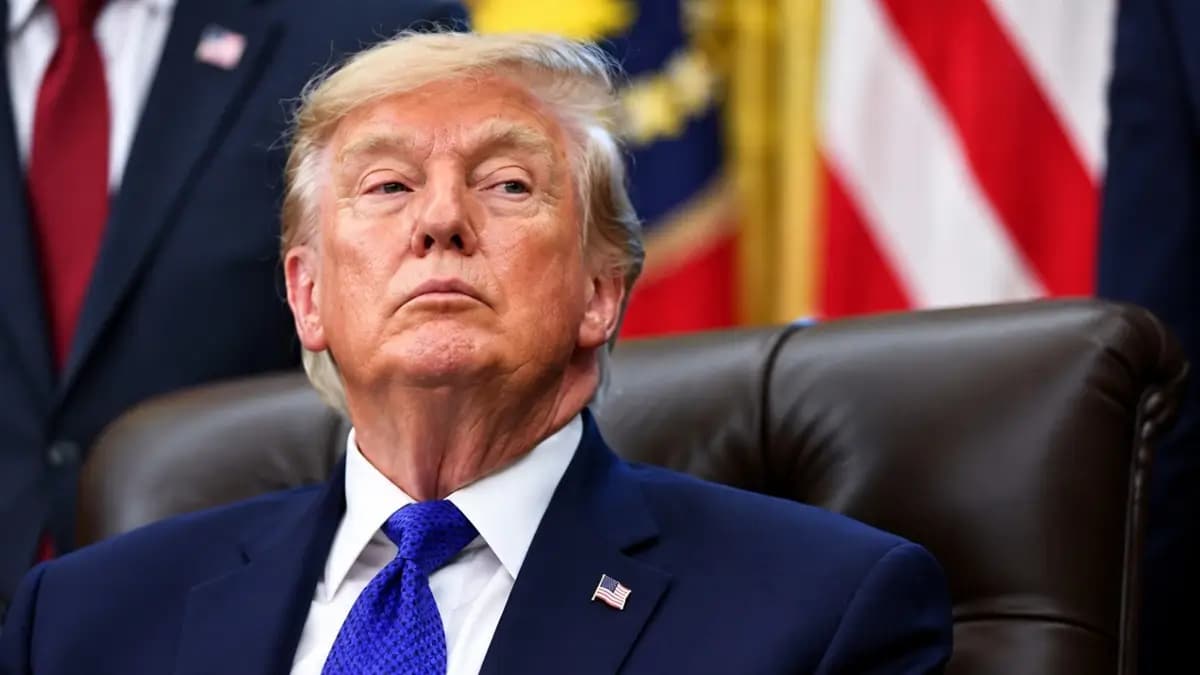
U.S. President Donald Trump signed a temporary government funding bill into law on Friday, averting a shutdown with federal agencies remaining open through Dec. 11 just ahead of the November midterm elections.
US President Donald Trump has signed the Continuing Appropriations and Extensions Act, 2027, the Trump stopgap funding bill, that will extend federal funding through Dec. 11 and avoid a government shutdown.
The bill made it to the White House after winning strong bipartisan support in Congress. The measure was passed in the US Senate by a vote of 90-6 and in the US House of Representatives by a vote of 370-48.
Congress acted several weeks ahead of the Sept. 30 funding deadline to keep federal agencies running through the November midterm elections and into the holiday season.
The stopgap measure postpones a larger budget fight in Congress, where lawmakers still must work out long-term spending bills before the new December funding deadline.
Congressional Support Delays Funding Showdown
The passage of the legislation was a major step toward avoiding immediate disruption throughout the federal departments. Shutdowns in government could impact millions of federal workers, contractors, and public services across the country.
The bill had overwhelming support, but there were divisions within the Republican ranks. Nineteen members of the House voted against the bill, noting concerns about changes made during Senate negotiations.
One of the contested measures was a short-term delay of a proposed ban on intoxicating hemp products. Some lawmakers cited those additions as reasons for opposing the final version.
U.S. House Speaker Mike Johnson got enough backing to pass the bill, but not universal backing from his own conference, highlighting possible obstacles in future budget negotiations.
Oklahoma’s House Appropriations Committee Chairman Tom Cole endorsed the bill, even with some reservations about some Senate amendments made before final congressional approval.
“Legislators knew changes would come with the resolution once it went through the Senate legislative process,” Tom Cole said in remarks on the House floor.
The goal remains to avoid a shutdown before the midterm elections, Tom Cole also said. The legislation allows for more time to negotiate on the substance after the election cycle, he said.
Also Read: Trump Birthright Citizenship Order Faces New Setback in Federal Court.
Previous Funding Disputes Continue to Shape Debate
The new funding agreement comes after previous budget standoffs that disrupted government operations and deepened political divisions in Washington.
Last year, the federal government endured a record 43-day shutdown as Democratic lawmakers demanded to extend expired Affordable Care Act premium subsidies.
Reports said the US Department of Homeland Security operated without appropriated funds for 76 days between February and May amid disputes over immigration enforcement policies earlier this year.
Democrats had pushed for changes in the Trump administration’s immigration practices after Renee Good and Alex Pretti died during federal operations in Minneapolis, and the funding lapsed.
The deadlock was a factor in travel disruptions across the country. Air traffic controllers and Transportation Security Administration officers worked through the funding lapse, even when their paychecks were delayed.
According to Sprouts News, the new law provides temporary stability but does not resolve the underlying differences over federal spending priorities and appropriations policy.
Now Congress is expected to return to the negotiating table in the next few months, with another key funding deadline looming for Dec. 11. The outcome of those discussions could determine whether lawmakers avert another year-end budget crisis.
The Continuing Appropriations and Extensions Act, 2027, which extends funding for federal agencies for now, buys Congress time to reach a broader spending agreement.