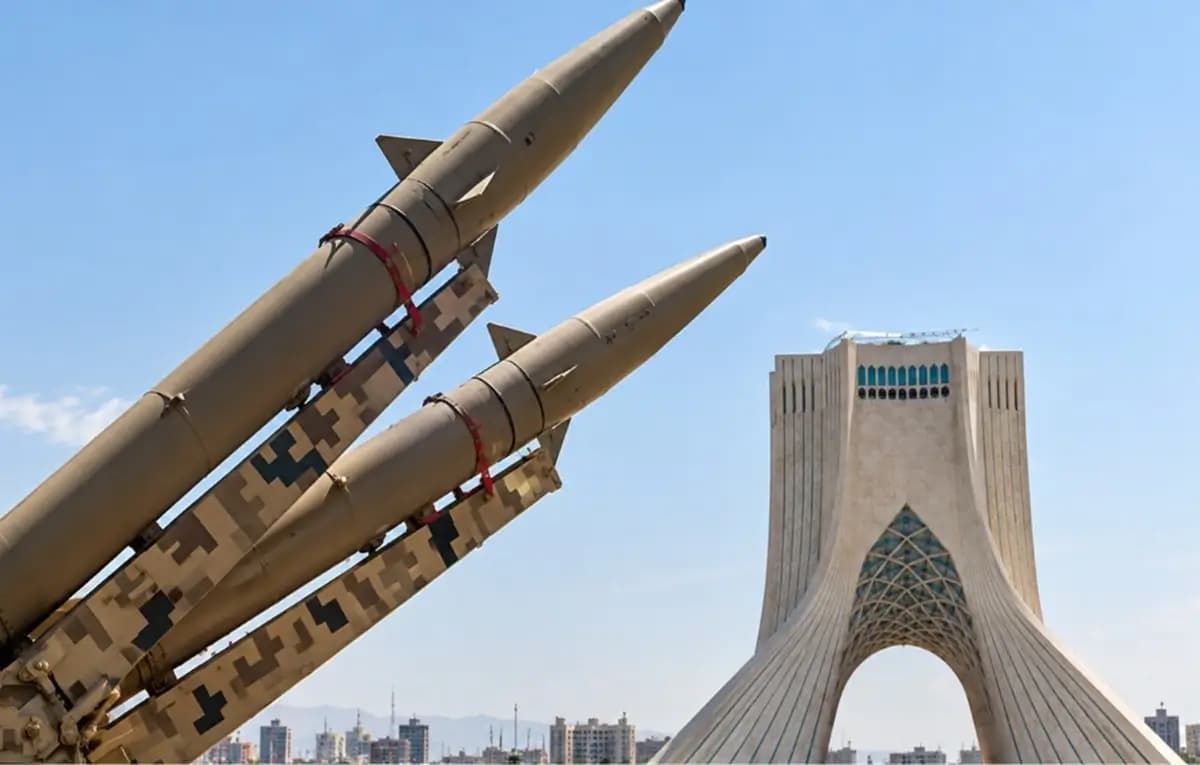
US President Donald Trump’s push for tougher economic sanctions against Iran is increasing concerns across the Gulf, where governments face a delicate balance between security ties with Washington and their geographic proximity to Tehran. Iranian officials have warned countries supporting the US campaign that their interests could face retaliation. The Strait of Hormuz remains central to the confrontation because of its importance to global energy shipments. Any disruption involving shipping routes, ports, or regional energy infrastructure could have wider consequences for Gulf economies and international markets.
Trump Iran Economic War Raises Gulf Fears Over Regional Escalation
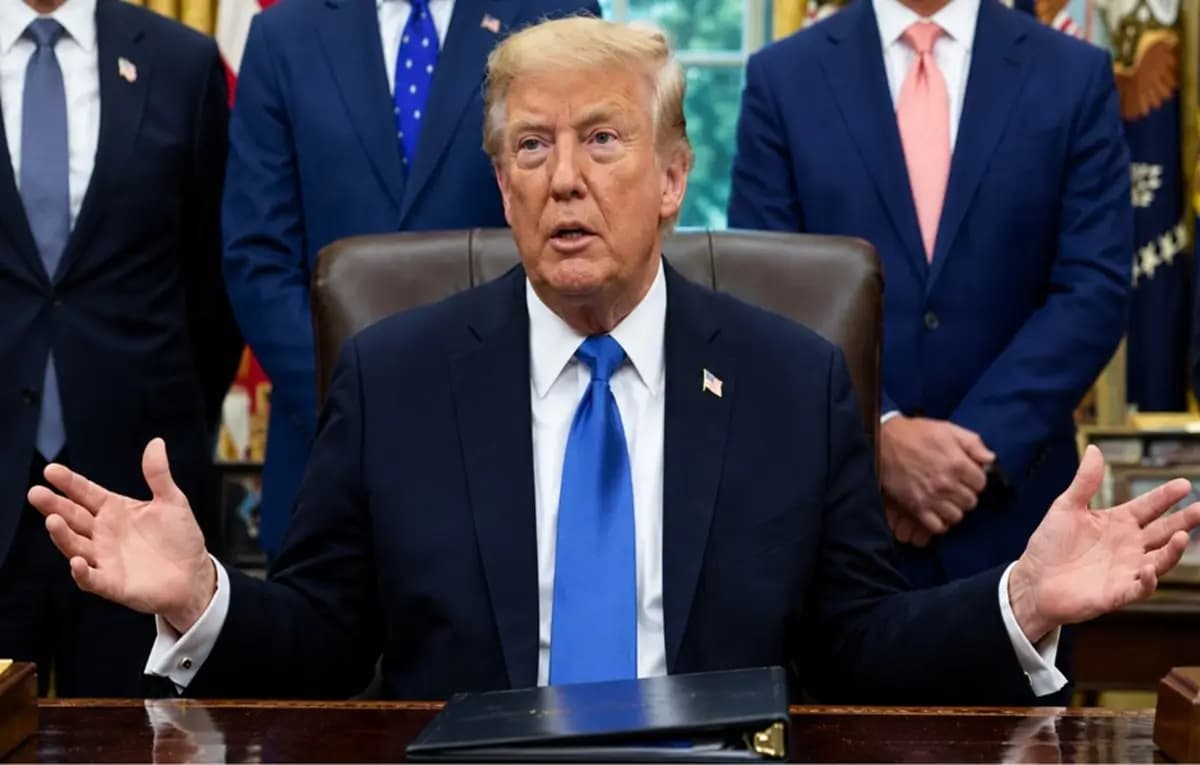
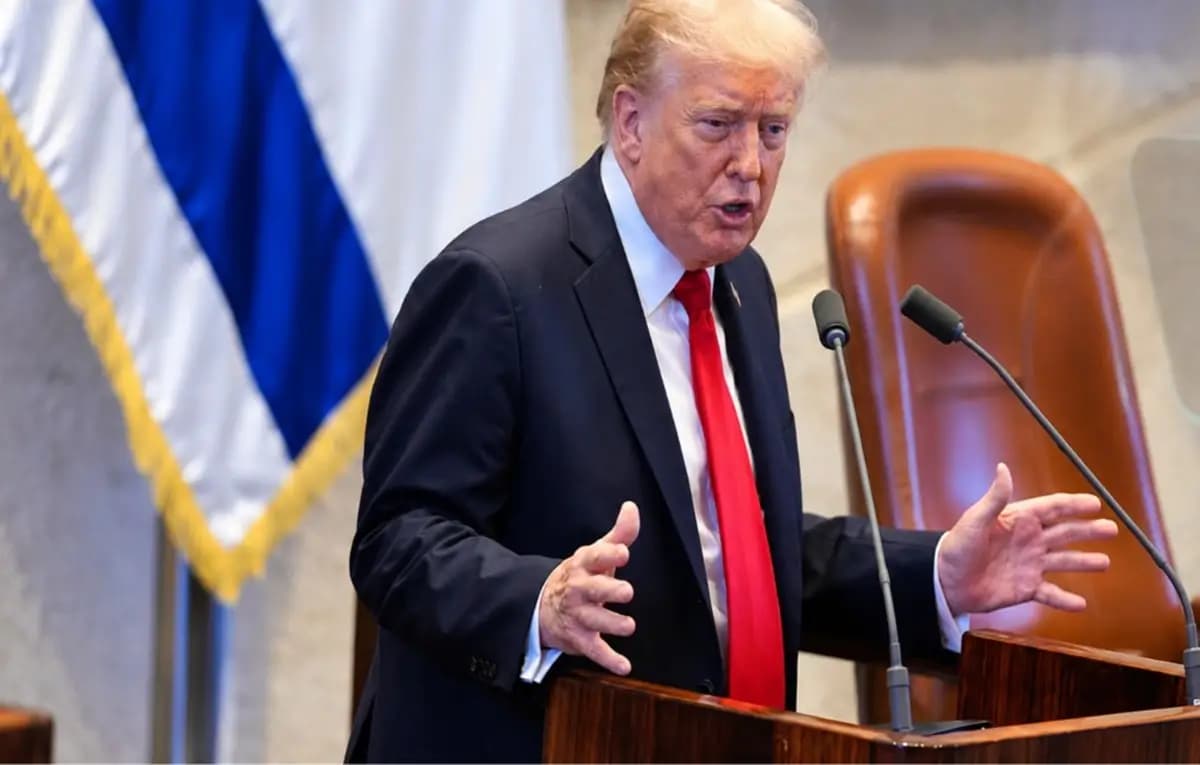
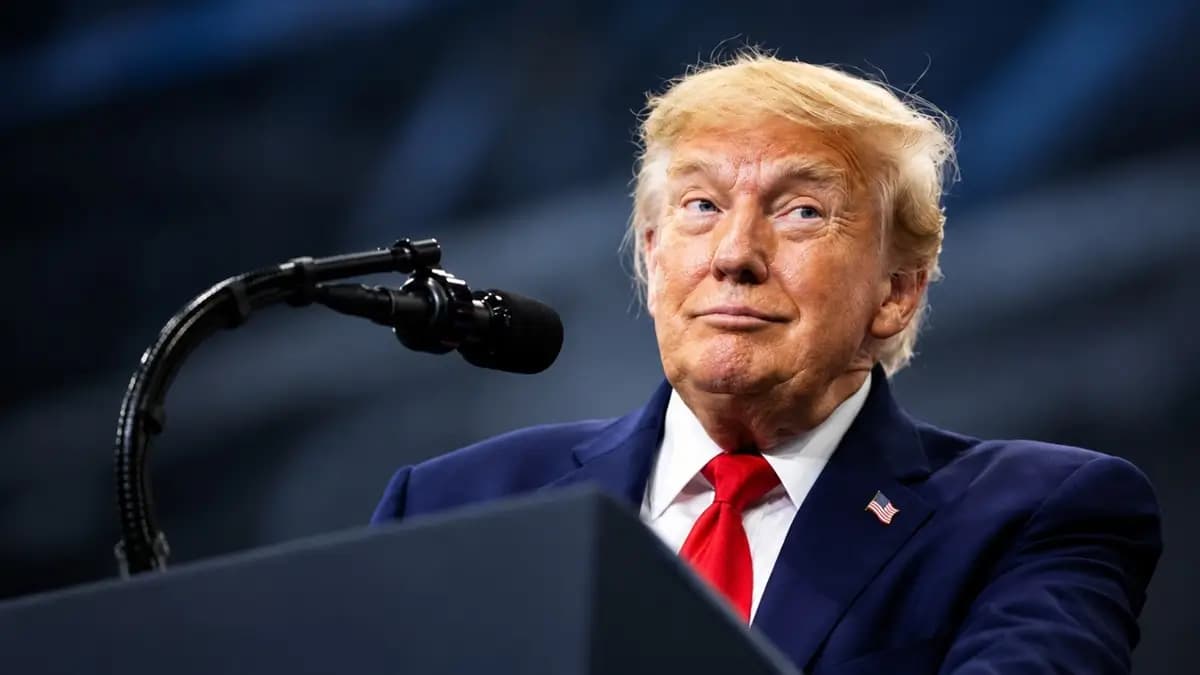
President Donald Trump is planning more economic sanctions on Iran, while Tehran has warned countries that back Washington that they could be targeted in retaliation.
Trump’s economic war on Iran is entering a potentially more dangerous phase as Washington prepares its tougher sanctions and economic isolation against Tehran, raising the pressure across the Gulf.
The strategy is designed to bring Iran to the negotiating table, but Gulf states risk a response from Tehran to target energy infrastructure and alternate shipping routes.
Iran’s newly appointed secretary of the Supreme National Security Council, Mohsen Rezaei, warned neighboring countries against joining Washington’s economic campaign in remarks carried by Iranian state broadcaster IRIB.
Rezaei said countries supporting new restrictions could be deemed enemies, warning Iran could respond against their interests if they continued to cooperate with Washington.
He also warned that American commercial and economic interests throughout the region could be targeted if the United States moved forward with additional sanctions on Tehran.
The comments have raised alarms among Gulf states already weighing their close security ties with Washington against their geographic and economic vulnerability to Iran.
Strait of Hormuz becomes central to the dispute
The confrontation continues to revolve around the Strait of Hormuz, a critical global energy artery that connects the Persian Gulf with the world’s markets and shipping networks.
Before the current conflict, about a fifth of the world’s seaborne oil passed through the waterway, so any prolonged disruption would be especially important for producers in the Gulf and consumers around the world.
Trump has repeatedly stated that the strategic waterway is basically under American control and recently shared a map depicting the Strait of Hormuz as new American territory.
Iran has rejected the move, with Rezaei saying the possibility of the waterway being reopened depended on changes in US policy and the implementation of past agreements.
The standoff has already led to a sharp reduction in maritime traffic, and Iran continues to use its position around Hormuz as a bargaining chip in talks with Washington and regional mediators.
The issue for Gulf states is not Hormuz itself, but the potential for Iran to menace other oil routes, ports, energy facilities and other critical infrastructure.
Also Read: Pateshwar Shivling Complex: Ancient Sculptures Near Satara Draw Attention.
Sanctions could widen pressure on Iran’s trading partners
Washington’s next phase of the campaign may also go after countries and companies still doing significant business with Tehran, including major trading partners China, India, Turkey and the United Arab Emirates.
These measures would raise the economic cost of doing business with Iran and put countries trying to protect trade, energy supplies and regional stability in difficult positions.
Iran already suffers serious economic problems, its oil exports badly disrupted, the rial weakened and inflation soaring, with the conflict and sanctions persisting.
But economic hardship has not translated into a clear-cut Iranian surrender, with President Masoud Pezeshkian still arguing that diplomacy may be a possible avenue to ending the confrontation.
Pezeshkian has pushed a June memorandum with Washington as a potential starting point for a broader settlement, but differences over implementation and how to pass through the Hormuz have slowed progress.
Gulf states face difficult choices as tensions rise
Now the Gulf states are in a tricky balancing act, having to support American economic pressure without doing anything that makes their territories, infrastructure or commercial interests targets.
Iran has demonstrated the ability to fire missiles and drones, but the broader conflict has already presented grave threats to shipping, energy markets, and infrastructure across the region.
Rezaei's appointment exacerbates the situation, considering his prior leadership of the Islamic Revolutionary Guard Corps and experience in Iran's security establishment.
Mohammad Bagher Zolghadr was appointed as representative of the Supreme Leader Mojtaba Khamenei, and Pezeshkian appointed Rezaei as secretary of the Supreme National Security Council.
The question for Sprouts News right now is whether the economic pressure Washington is seeking to impose will lead to talks without another escalation spilling over into Gulf energy and shipping networks.
Much will hinge on the imposition of new sanctions, Iran’s reaction, and the diplomatic efforts of regional players seeking arrangements over Hormuz and a larger settlement.
Gulf governments will likely continue to try to avoid any further regional escalation, while focusing on protecting energy infrastructure and trade routes as economic pressures mount and military risks remain high.